
The Busby Group Difference in Chicago’s Luxury Market
In Chicago’s luxury market, results are driven by more than exposure. They are shaped by strategy, relationships, and a highly tailored approach to each property and client.
At Busby Group, our Luxury Collective is designed to deliver a level of service that reflects how luxury clients make decisions. Thoughtfully, privately, and with a long-term perspective.
Below is how we approach the market at this level.
Exceptional Reputation and Exclusive Relationships
Luxury real estate is a relationship-driven market.
Our reputation within the brokerage community often plays a meaningful role before a property is ever shown. Through long-standing relationships and networks such as Top Agent Network and private brokerage channels, we are able to position our clients and their homes with a level of credibility that supports stronger outcomes.
These relationships also create access, connecting our clients to buyers and opportunities that are not always publicly visible.
Access to Off-Market Opportunities
Many of the most significant luxury transactions happen privately.
We regularly work within off-market and pre-market channels to introduce properties to qualified buyers in a more discreet and controlled way. This allows sellers to maintain privacy while still creating demand, and gives buyers access to homes they may not otherwise see.
In a market where timing and discretion matter, these opportunities can create a meaningful advantage.
Data-Driven Strategy
Data provides the foundation, but interpretation creates the strategy.
We analyze market activity at a hyper-local level, evaluating comparable sales, buyer behavior, and inventory trends specific to each neighborhood and property type. In the luxury market, no two properties are the same, which makes this level of analysis critical.
Our role is to translate that data into clear guidance, helping clients understand value, timing, and long-term positioning.
Certified Negotiation Expertise
Negotiation in the luxury market requires both precision and perspective.
Each transaction involves unique variables, from timing and contingencies to privacy considerations and buyer motivations. We approach negotiations with a tailored strategy, ensuring our clients are positioned to achieve strong results while maintaining flexibility where it matters.
Streamlined Process with Constant Communication
Luxury clients expect a seamless, well-managed experience.
Our team structure allows us to manage every aspect of the transaction while maintaining clear and consistent communication. From initial strategy through closing, we ensure that every detail is coordinated and every step is transparent.
Property and Construction Expertise
Understanding how a home is built is just as important as how it is marketed.
With experience in new development and construction, including working alongside one of Chicago’s most respected developers, our team evaluates properties beyond surface-level features.
This allows us to guide clients on quality, long-term value, and potential, whether they are buying, selling, or considering future improvements.
A Thoughtful Approach to Luxury
Luxury is not defined by a price point. It is defined by how a home lives and how a client experiences the process.
At Busby Group, our focus is to provide a level of service that matches that expectation. Strategic, discreet, and tailored to each client’s goals.
If you are considering buying or selling in Chicago’s luxury market, we are happy to share our perspective and help you evaluate your next move.
Get True Service: A Concierge Approach to Luxury Homeownership


Owning a home, especially in the luxury market, often means managing a long list of maintenance, vendors, and unexpected issues. While many homeowners rely on multiple service providers, some are turning to a more streamlined solution: concierge-style home management.
We spoke with Peter Mueller, founder of Get True Service, to learn how his business started, what services they provide, and how they help homeowners keep their properties running smoothly.
What is Get True Service?
We are a white-glove-style property management company that helps homeowners maintain, monitor, and manage their homes. The service covers routine maintenance, vendor coordination, home watch visits, project management, and preparation for selling.
How did True Service get its start?
I started working as a private staff doing property management for an individual and realized there was opportunity to help others. Managing and maintaining a large estate takes time, and there really wasn’t a service like this available. I have been lucky enough to grow almost entirely through referrals and word of mouth.
What services does Get True Service provide?
We offer a wide range of home management services designed to ease ownership and protect the property.
Some of the most common services include:
Seasonal property maintenance
Monthly home visits and home watch services
Project management for renovations and repairs
Vendor coordination and oversight
Appliance maintenance, such as dryer vent cleaning
Completing home maintenance tasks that often go unfinished
What is “new home preparation” and why is it helpful?
One of our newest services is new home preparation.
When a homeowner purchases a new property, our team can visit the home before move-in to document the entire residence and evaluate its condition. We create a detailed maintenance plan and establish a schedule for trusted vendors such as window cleaners, HVAC specialists, and other service providers.
This is a proactive approach to help homeowners stay ahead of maintenance and avoid surprises.
What if a homeowner doesn’t need full property management?
Not every luxury homeowner needs the full white-glove service, and we offer flexible options.
Clients can choose from three service levels, from the full-service membership-style program to a simpler plan that provides access to our trusted and vetted vendors.
What makes Get True Service different?
Two factors stand out: communication and our trusted vendor relationships.
Clients know they can reach our team 24/7. Whenever a question or issue arises, they know we are available.
Behind the scenes, we have established strong relationships and carefully vetted a network of service providers. We personally know the owners of the companies we work with, and that allows us to get help quickly and solve problems efficiently for our clients.
Can you share your favorite success story?
Recently, a client was preparing to host a large party with several overnight guests when they discovered a water leak in one of the guest bedrooms.
The homeowner reached out immediately.
Our team quickly identified the source of the issue: a small puncture in the roofing membrane. To repair the wall and ceiling, we opened, and our project manager coordinated four different trades to address the repairs.
Within a week, the leak was fixed, and repairs were completed.
The client’s party went ahead exactly as planned, and none of the guests ever knew there had been a problem.
Seamless Transitions, Thoughtfully Done: A Conversation with Claudia McLaughlin, founder of CMFTO
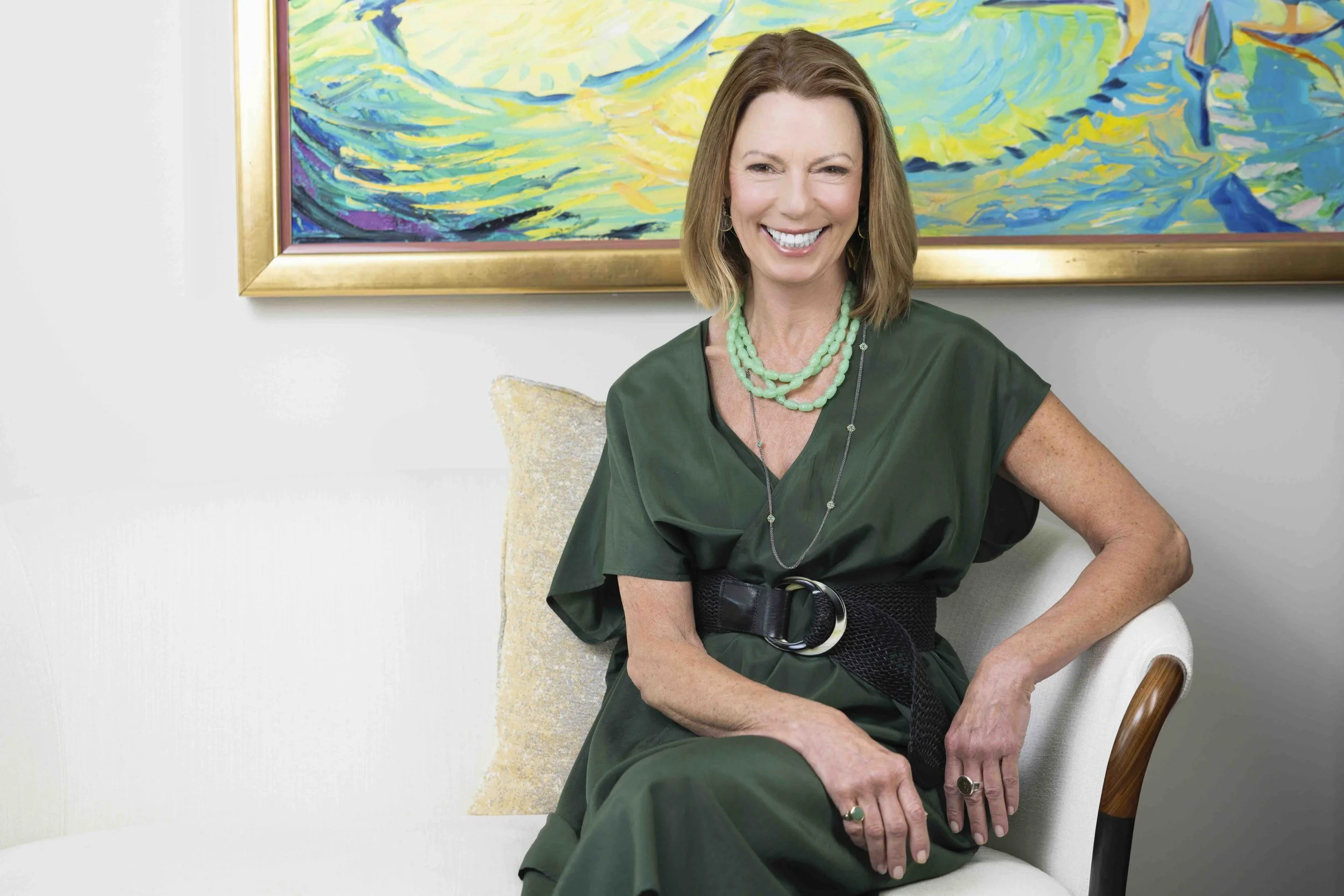
In real estate, we often talk about buying and selling as milestones. But what happens in between those moments is just as important. The move itself, the decisions, the logistics, and the emotional weight of it all can be overwhelming without the right support. That is where Claudia and her team at CMFTO come in.
We recently connected with Claudia to talk about what she is seeing in today’s market and how her business has evolved into a full-service solution for clients navigating change.
What clients are asking for right now
Claudia shared that many conversations today are not just about a single move. They are often multi-generational.
“A lot of our clients are reaching out not just for themselves, but for their parents,” she explained. “We are helping families navigate right-sizing moves, often to places like Florida or California.”
At the same time, there is a noticeable shift among a younger demographic. Claudia is seeing more clients in their 40s and 50s choosing to leave the suburbs and return to city living. It is a reminder that lifestyle priorities are always evolving, and each move comes with its own set of needs.
From design to full-service moving concierge
What started more than two decades ago as a design-focused business has grown into something much more comprehensive.
“We began 23 years ago offering only design services,” Claudia said. “Over time, we grew based on what our clients were asking for. We just never said no.”
That mindset has shaped CMFTO into a true white-glove service. Today, their offerings span everything from design refreshes that incorporate a client’s existing pieces to full-scale staging, furniture consignment, and complete move management.
In some cases, they become a long-term partner. Claudia mentioned one family they have helped move five different times. It speaks of the level of trust they build and the consistency they deliver.
“Our work involves a lot of conversation, planning, and coordination,” she added. “All of our business comes from referrals, so by the time we meet a client, there is already a foundation of trust.
Areas they serve
While much of CMFTO’s work is centered in Chicago and along the North Shore, their reach extends far beyond. They regularly support clients across the city, and the North Shore suburbs. For those relocating further, long-distance and even international moves are a specialty, with the ability to assist not just with the move itself but also with installation and set-up in the new home.
Their client base spans all life stages, from young professionals to growing families to those looking to simplify and right-size.
Advice for navigating a move
When asked for her top advice, Claudia kept it simple and practical.
First, bring in a professional early. Having someone to guide the process, set a timeline, and manage the details can significantly reduce stress. It allows clients to focus on the bigger picture rather than the day-to-day logistics.
Second, timing is everything. A well-structured timeline keeps everything on track and ensures nothing falls through the cracks. Equally important is working with someone who treats every item with care, regardless of its monetary value, because what matters most is its importance to the client.
Finally, choose a partner who can think ahead. The best support comes from anticipating needs before they arise and handling the details clients might not even realize need attention.
A trusted partner in every transition
At the end of the day, moving is about more than logistics. It is about helping people step into their next chapter with confidence and clarity. Claudia and her team have built a business around making that transition as seamless as possible.
For our clients, having a trusted resource like CMFTO can make all the difference. Whether preparing a home for sale, coordinating a complex move, or simply looking for guidance on where to begin, the right support turns a stressful process into a well-managed experience.
Lessons Learned Across Generations in Real Estate

2026 will be a year of perspective and momentum, and while the past few years have continued to test the real estate industry in ways few could have predicted, I look back with real pride and gratitude. Busby Group remains a team of strong, savvy, and deeply knowledgeable professionals who genuinely support one another, more importantly, work tirelessly to help our clients achieve their dreams of homeownership at every price point. Sometimes it truly does take a village.
As a Baby Boomer, I believe that looking ahead still requires vigilance and adaptability. Interest rates have normalized compared to the historic lows of the early 2020s, inventory continues to ebb and flow by neighborhood, and economic and political shifts, both locally and nationally, always warrant close attention. One thing that has not changed: real estate remains a long-term, relationship-driven business.
Much of our team is made up of Millennials, and that continues to be a tremendous advantage. Millennials are now firmly established as the largest segment of homebuyers, and they are increasingly joined by Gen Z entering the market for the first time. At the same time, the largest intergenerational transfer of wealth in history is well underway, with trillions of dollars expected to pass from Boomers to their children and grandchildren over the coming decades. Real estate remains one of the primary places families are choosing to build, protect, and grow that wealth. Whether you’re a Boomer, Gen X, Millennial, or Gen Z, there are constants in real estate that continue to hold true.
I still remember reading that Andrew Carnegie once said that the majority of millionaires built their wealth through real estate. I bought my first condo at age 25 in New York City, back when “Yuppie” was a common label. Like many young buyers, I sold it to move up to the next stage of life, and eventually to Chicago, a city I had never even visited before relocating. Mortgage rates at the time were in the double digits, and neighborhoods like Lincoln Park looked very different than they do today.
With no internet, no online listings, and no digital tools, we relied entirely on a seasoned Realtor recommended by my mother-in-law. It turned out to be some of the best advice I’ve ever received. She didn’t just help us find a home, she helped us find a neighborhood, a lifestyle, and a sense of belonging. That relationship extended far beyond a single transaction, and it shaped how I understand real estate to this day.
Years later, I know what I didn’t know then: what makes a good investment in Chicago, what tends to hold value, and what doesn’t. I also learned something just as important - the way a client feels after the transaction matters enormously. That philosophy is exactly why referral business continues to be the backbone of Busby Group.
I learn as much from the younger members of our team as they learn from me, and not just about real estate. My children are now well into adulthood, so I understand the mindset of today’s Millennial and Gen Z buyers. They come prepared, ask thoughtful questions, and are optimistic about building their future. In return, they keep me current on everything from new restaurants to wellness trends and technology. From my team, I’m constantly learning new strategies, new tools, and new ways to simplify and elevate the client experience.
The market will always evolve, but one thing never changes: real estate is about the experience. That experience begins with the very first conversation and continues well beyond the closing table. Making every step thoughtful, efficient, and genuinely enjoyable is what creates lifelong clients and lasting relationships.
We firmly believe that the experience Busby Group provides can never be replaced by an algorithm or a discounted service alone. Representation matters. I once worked for a destination club owned by a real estate development company, where every decision revolved around the client experience. Focusing on that experience didn’t just benefit the client - it made the work itself deeply rewarding. That lesson has stayed with me.
Having team members of different ages, backgrounds, and perspectives allows Busby Group to deliver well-rounded advice, nuanced market insight, and exceptional service, while having a lot of fun along the way. That’s how we continue to rank among the top 1% of Chicago real estate brokers. We love matching buyers with homes in every Chicago neighborhood. In many ways, we truly are matchmakers.
One of the most satisfying moments in this business is still saying, “We have a deal.” It marks the beginning of a new chapter. There may be nerves, excitement, and even a few bittersweet emotions along the way, but navigating those moments with knowledge, integrity, and discretion is exactly why having the right broker matters.
Here’s to moving forward in 2026 - using everything we’ve learned from the past to guide us confidently into the future.
Contact us to discuss your real estate goals.
Ultra-Luxury Real Estate: Wealth, Movement, and What Comes Next

The 2025 Compass Ultra-Luxury Report offers a clear view into where wealth is forming, where it is moving, and how it is being deployed through real estate. At the highest end of the market, residential real estate continues to function as both a reflection of economic growth and a strategic store of value.
In 2025, national sales volume for homes priced at $10 million and above reached $38.63 billion, with 2,261 closed transactions nationwide. These figures reinforce an important distinction. Ultra-luxury housing is not a barometer of overall housing health. It is a barometer of wealth creation, capital migration, and long-term confidence.
As Compass Chief Economist Mike Simonsen explains, the data tells a straightforward story. Wealth continues to be created, and it wants to live somewhere. In 2025, that meant continued strength in established ultra-luxury markets such as Manhattan, Palm Beach, Aspen, and Silicon Valley. At the same time, emerging luxury hubs including Scottsdale, Dallas–Fort Worth, and Brooklyn gained momentum, signaling a broader shift in how affluent buyers are underwriting lifestyle, opportunity, and long-term value.
Chicago and the North Shore: Local Luxury Strength
Chicago’s luxury market showed notable strength in 2025, particularly at the upper end of the price spectrum. According to Crain’s Chicago Business, the number of homes selling at $4 million and above reached record levels, marking a meaningful milestone for high-end activity in the region. This performance underscores continued demand among affluent buyers despite broader market normalization.
Price trends further support this resilience. Case-Shiller data cited by Crain’s shows that Chicago-area home values continued to grow steadily year over year, placing the metro among stronger-performing large U.S. markets. While growth has moderated, pricing stability at the top end reflects confidence and disciplined demand.
Suburban luxury markets remain equally compelling. The North Shore, including Winnetka, Kenilworth, and Lake Forest, continues to attract buyers seeking space, privacy, and proximity to the city. Homes in these communities frequently establish regional benchmarks, while Hinsdale and surrounding affluent suburbs regularly see transactions well above $1 million, reinforcing sustained demand at higher price points.
Within the city, core luxury neighborhoods such as the Gold Coast, Lincoln Park, River North, and the Near North lakefront continue to appeal to buyers prioritizing architecture, views, and long-term livability. Limited inventory in these areas keeps well-positioned properties competitive, particularly those offering iconic design or premier locations.
Insight, Influence, and Impact in Today’s Luxury Market
Compass frames the ultra-luxury segment through three essential lenses: insight, influence, and impact. At this level of the market, data alone is not enough. What matters is how that data is interpreted and applied.
Ultra-luxury buyers in 2025 were not simply purchasing homes. They were making long-term decisions about lifestyle, capital allocation, and where they want to anchor wealth. Buyer psychology, design trends, technology adoption, privacy considerations, and global mobility all played a meaningful role in how decisions were made.
At Busby Group, our Luxury Collective mirrors this approach. We track not only national and local market data, but also top-tier sales activity and the qualitative signals that influence outcomes. Understanding how buyers think, what they prioritize, and how they evaluate value allows us to guide clients beyond the transaction and toward informed, strategic decisions.
From Resilience to Recalibration in 2026
If 2025 was defined by resilience, early indicators suggest that 2026 will be a year of recalibration and opportunity. The $10 million-plus segment is entering a more deliberate phase, marked less by urgency and more by discernment.
Buyers are taking additional time, underwriting decisions carefully, and prioritizing assets that align with long-term lifestyle, security, and value creation. This shift does not signal weakness. Instead, it reflects maturity and confidence in the market.
For sellers, this environment rewards thoughtful pricing, strong presentation, and strategic positioning. Well-prepared properties in premier neighborhoods continue to command attention and strong results. For buyers, moments of recalibration may create windows where quality, leverage, and timing intersect.
What This Means for Luxury Buyers and Sellers
For clients operating at the highest levels of the market, ultra-luxury real estate remains a powerful tool. It reflects confidence in long-term economic growth and serves as a tangible expression of wealth strategy.
Across Chicagoland, from the Gold Coast and Lincoln Park to the North Shore and Hinsdale, demand continues to be driven by location, quality, and long-term livability. Limited inventory in these markets reinforces the importance of informed strategy and experienced guidance.
At Busby Group, our Luxury Collective closely tracks national and local data, notable sales, and emerging trends to help clients navigate this evolving landscape with clarity. Whether buying, selling, or evaluating timing, informed strategy remains the defining advantage.
Contact us for a private consultation to review your real estate goals.
Read the full report here.
Thoughtful DesignMeets Elevated Living






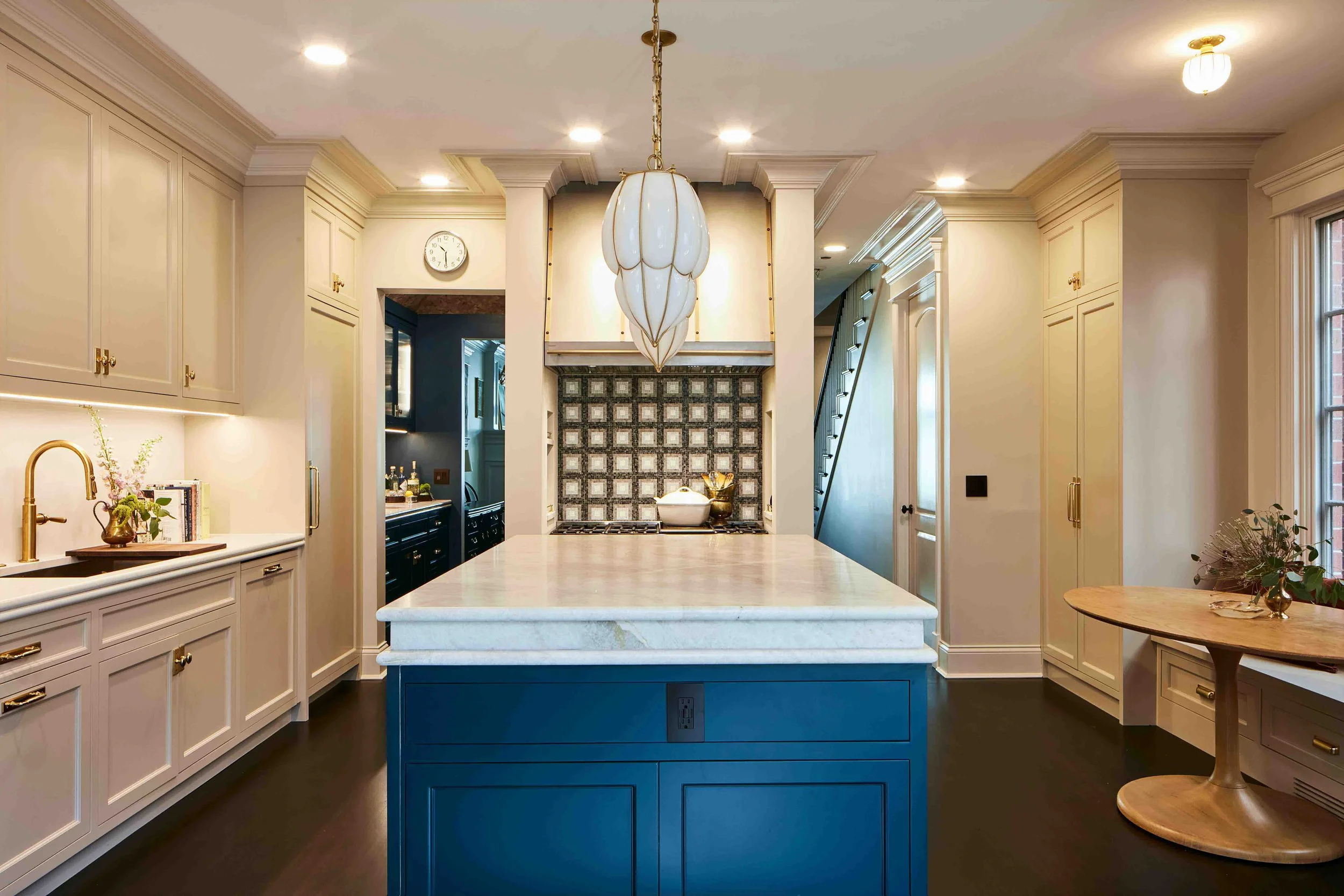




Great design in luxury real estate is more than aesthetics. It shapes how a home is experienced, how it lives, and how it resonates from the very first moment.
One of our most trusted partners in this process is Marcie Blanco, founder of Ma’Am Collective. For more than 15 years, Marcie has been an integral part of how Busby Group prepares and positions homes at the highest level.
Her ability to bring clarity and vision to a space is exceptional. Whether it is reimagining layouts, refining finishes, or layering in thoughtful staging, her work transforms how a home is perceived and experienced.
From paint selection and material guidance to furniture placement and sourcing, Marcie approaches each project with intention and a deep understanding of how luxury buyers think and live. The result is a home that feels cohesive, elevated, and ready to be lived in.
Together, we have collaborated on a range of properties, including the 1100 Lake Shore Drive penthouse, multiple residences within the building, and homes across Bucktown, Lincoln Park, and beyond. Each project reflects a shared focus on presenting every home with purpose and care.
Design, when done thoughtfully, creates a sense of ease for buyers and confidence for sellers. It is one of the ways we help bring a home to life at its fullest potential.
Over a Decade Together

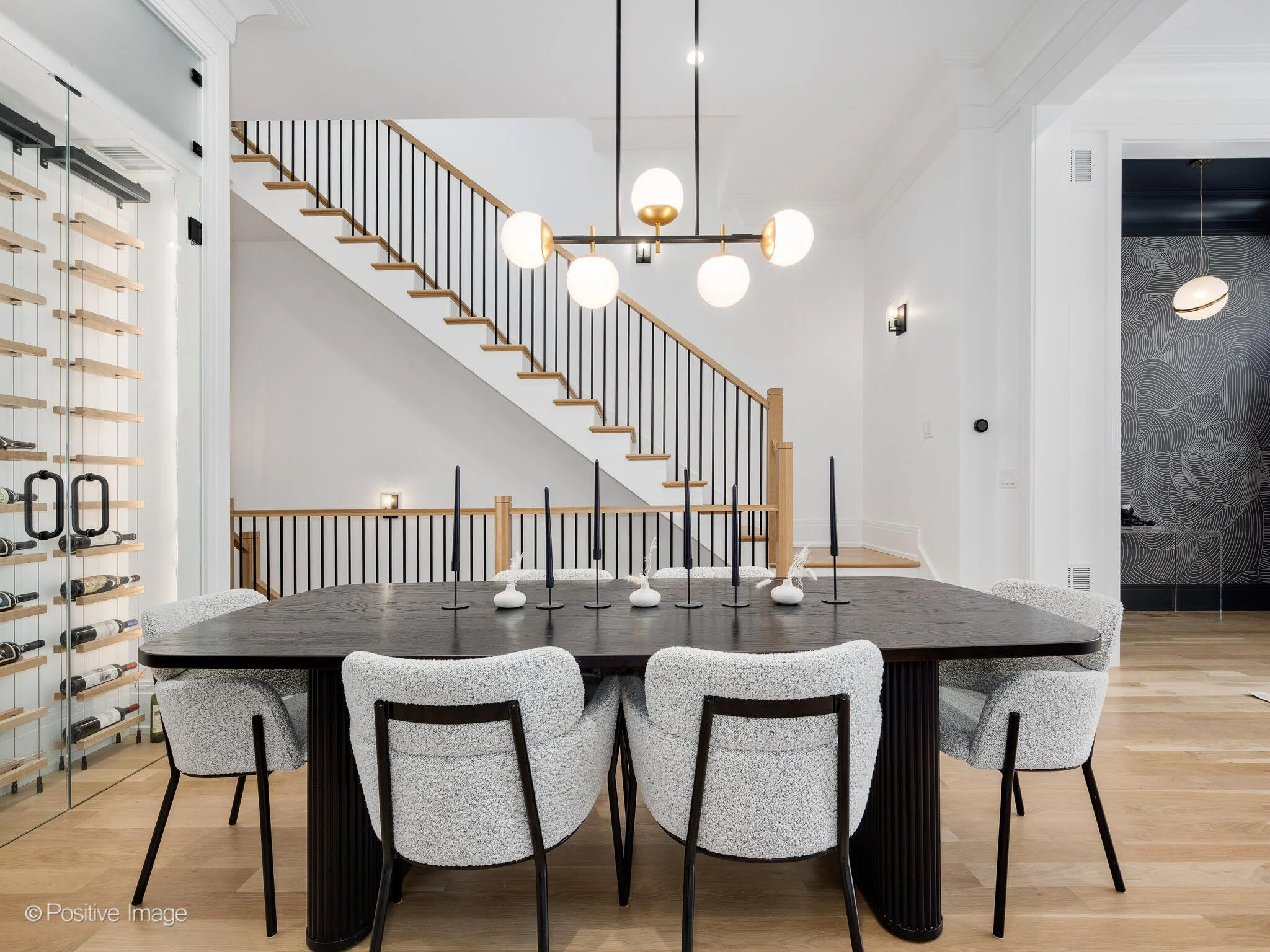

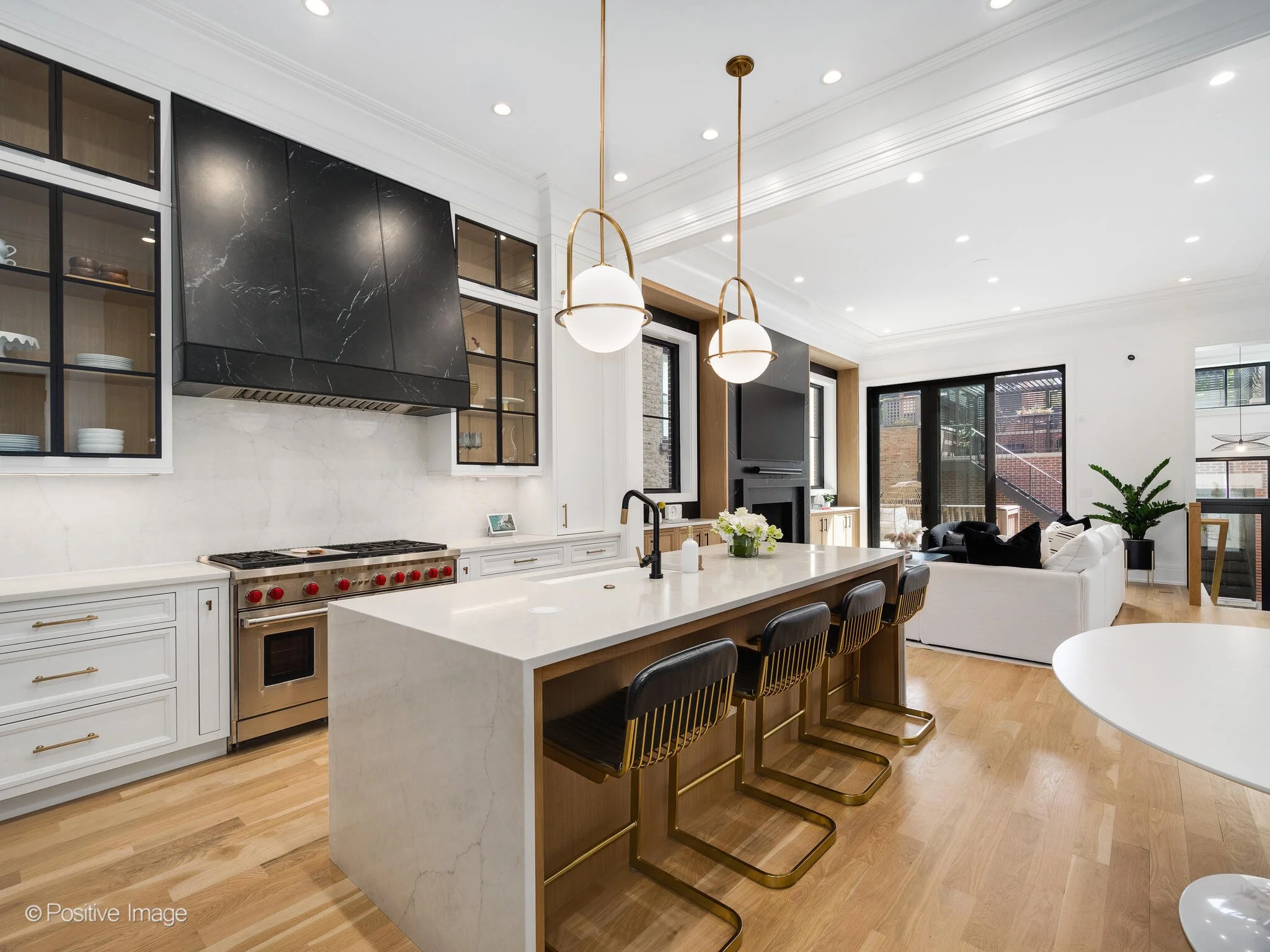
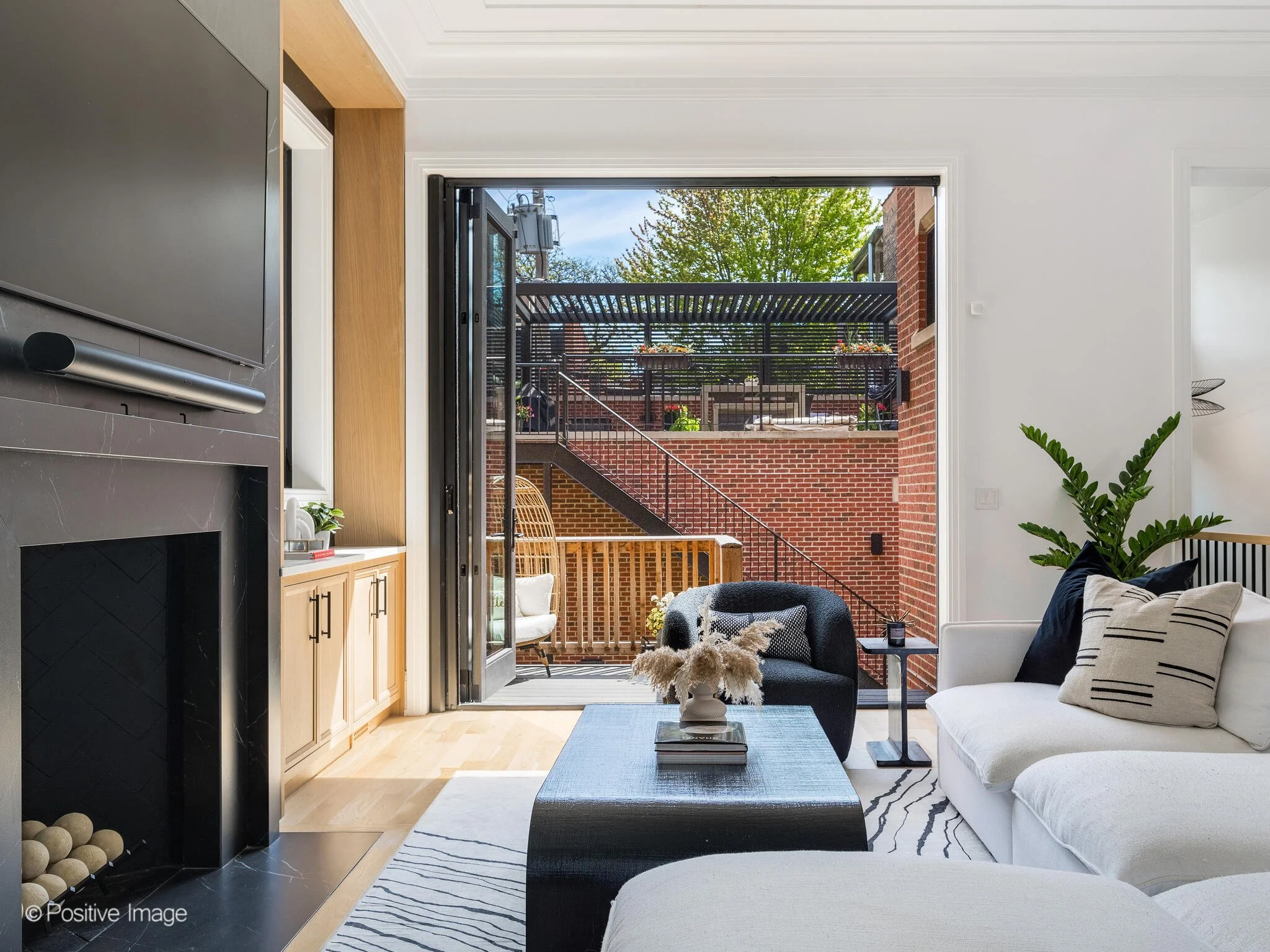

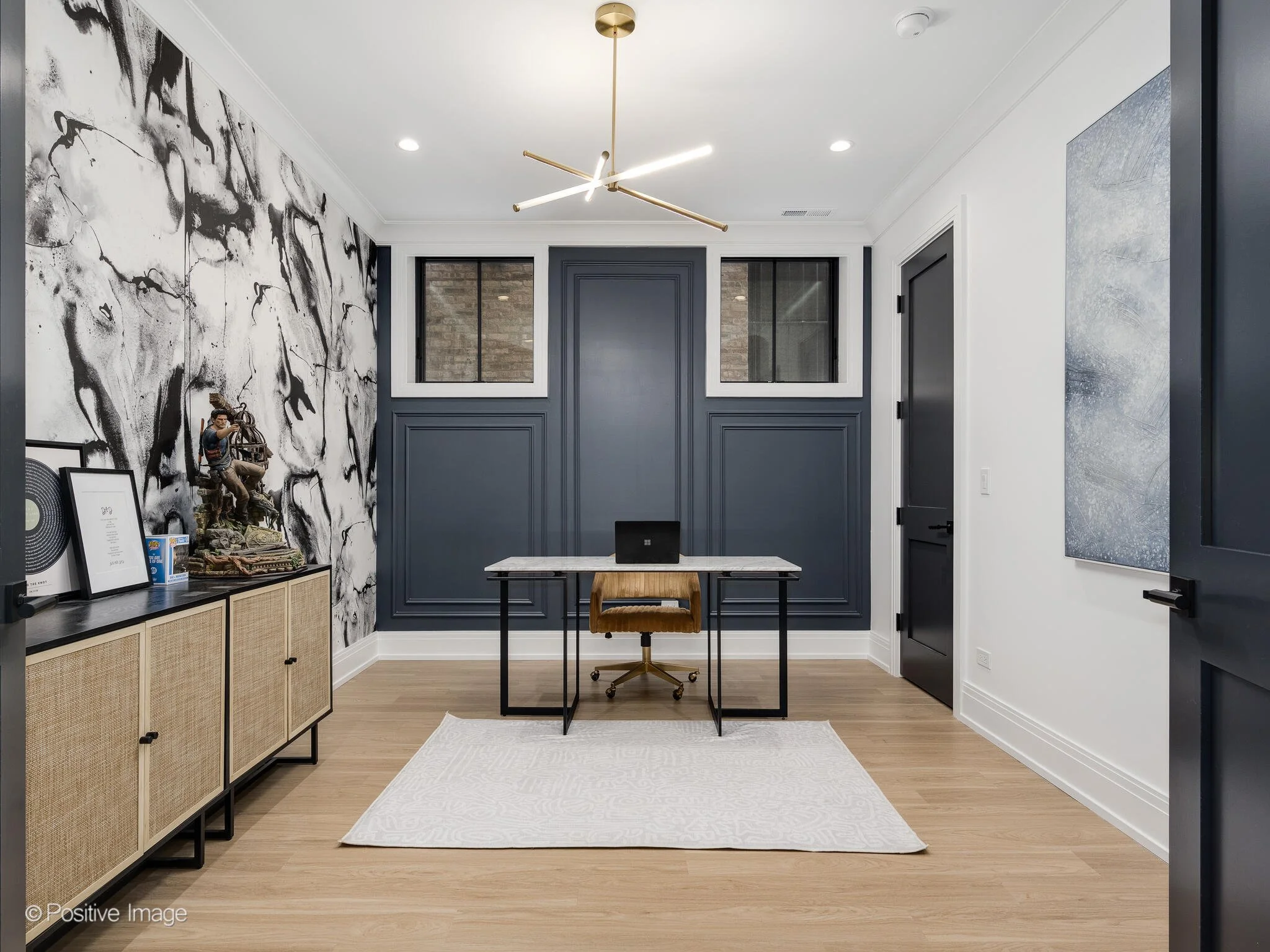


Felix and Delia are some of our favorite long-term clients, and our relationship with them spans more than a decade.
When we first met, they were understandably skeptical about working with a Realtor. After navigating a few challenges on their own, they decided to partner with Busby Group and take a more strategic approach.
Early on, Julie identified a property with strong upside potential. Despite being in a multiple-offer situation, we successfully secured the home and worked closely with them on a vision for the renovation. From design guidance to connecting them with trusted vendors, the goal was to create both a home they loved and a strong, long-term investment.
The outcome exceeded expectations, resulting in a significant profit and setting a strong foundation for what would become a long-standing partnership.
From there, our relationship continued to grow. We have since worked together across a range of opportunities, including renovations and resales, new construction, lot acquisitions, multi-unit investments, and custom home development.
What started as a single transaction evolved into a trusted partnership built on consistency, communication, and shared goals.
“For us, it comes down to three things: availability, responsiveness, and incredible depth of knowledge and connections. We've worked together on everything from lots and new construction to multifamily properties, buying and selling, and Julie and her team have always come through.”
Delia & Felix
Creative, Curated Strategy for a Specialized Market
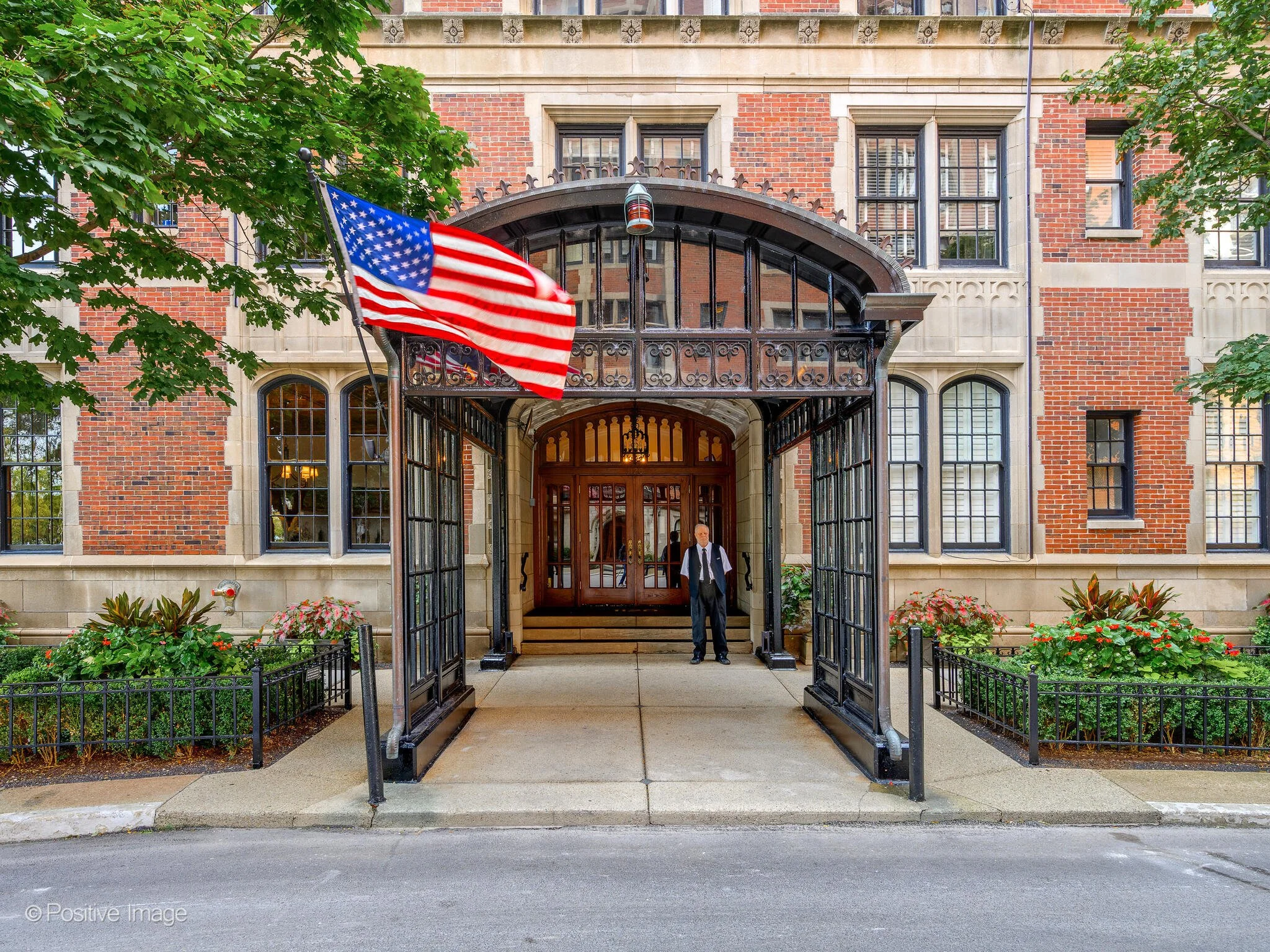



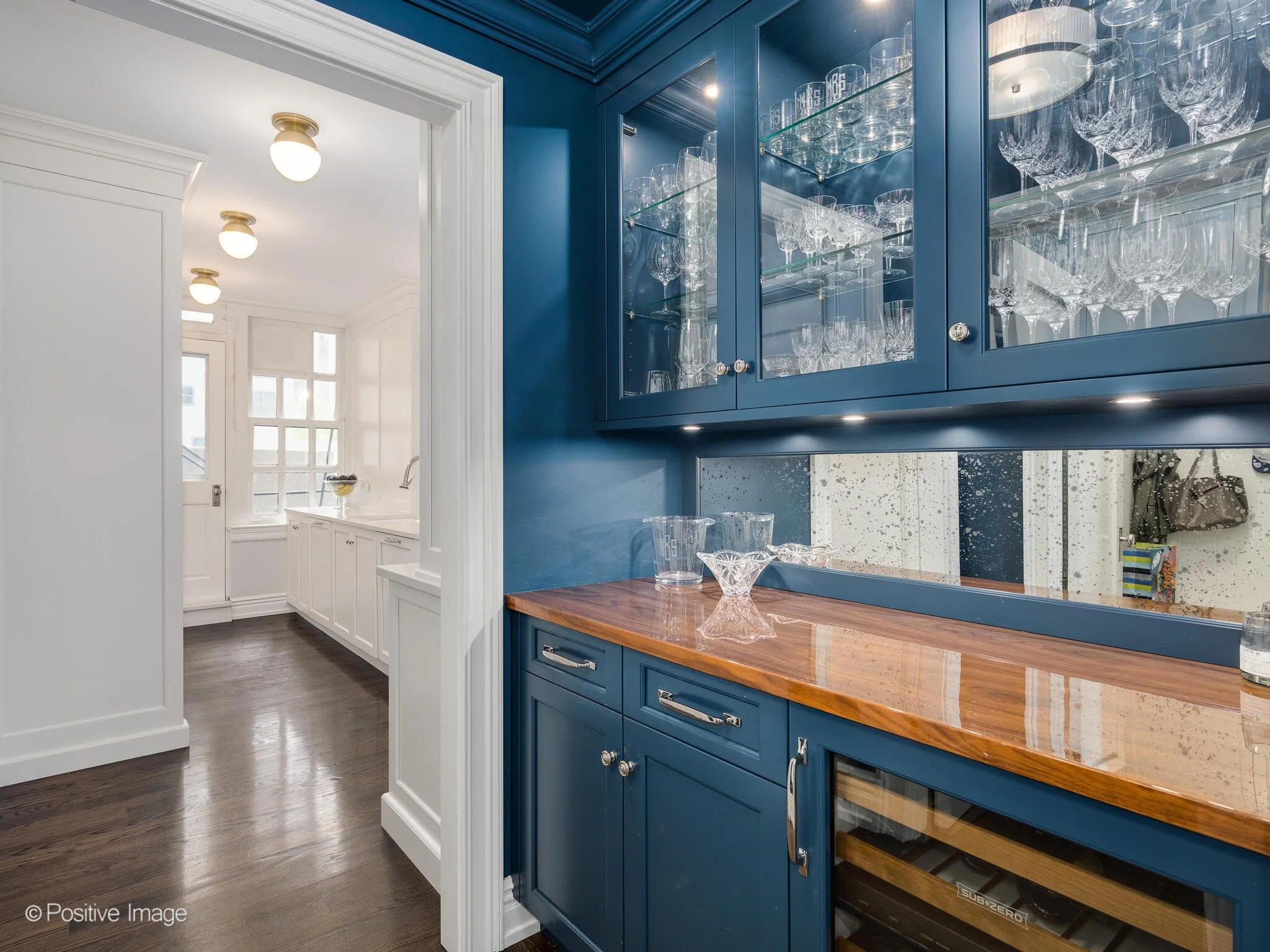
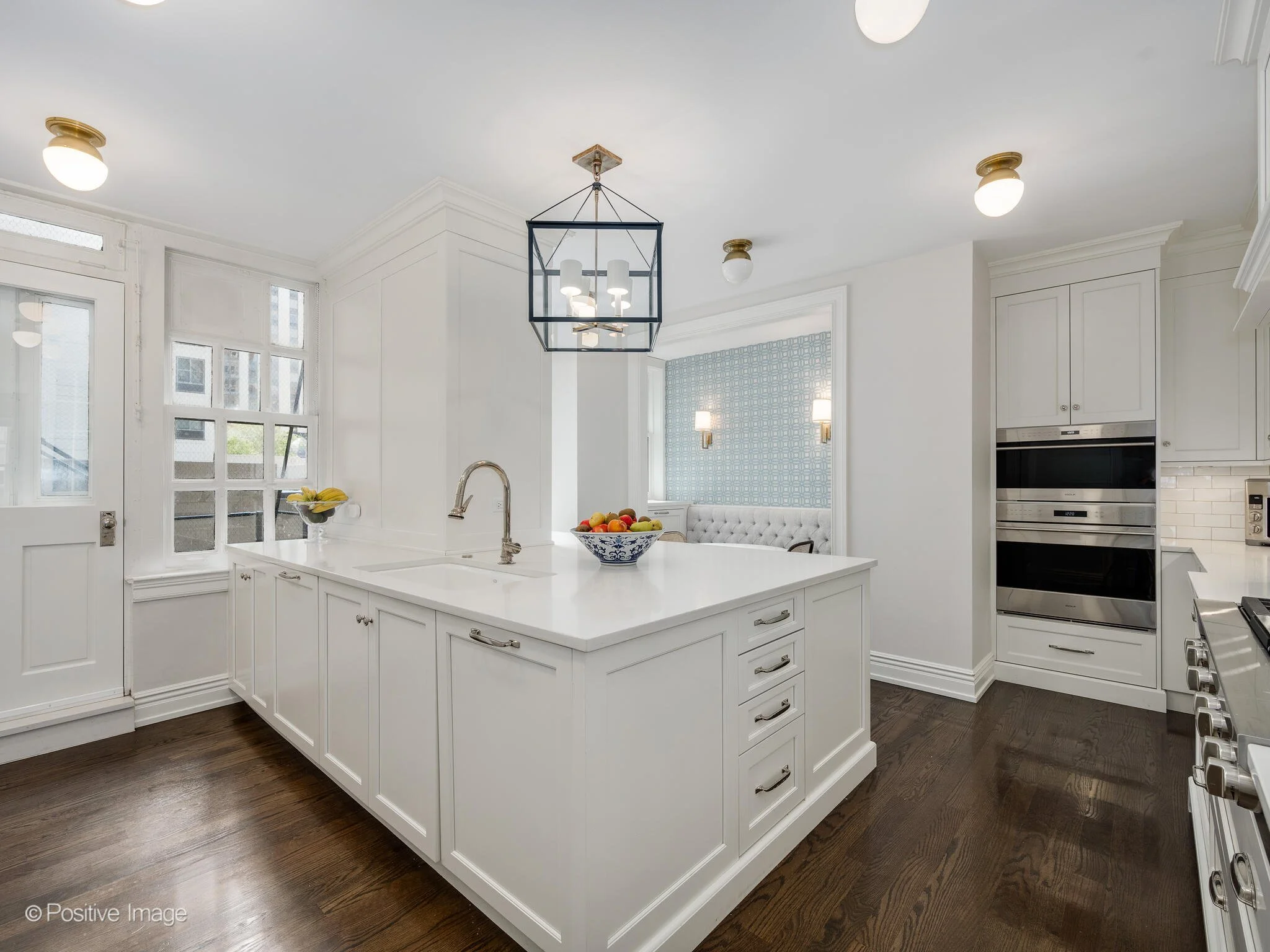
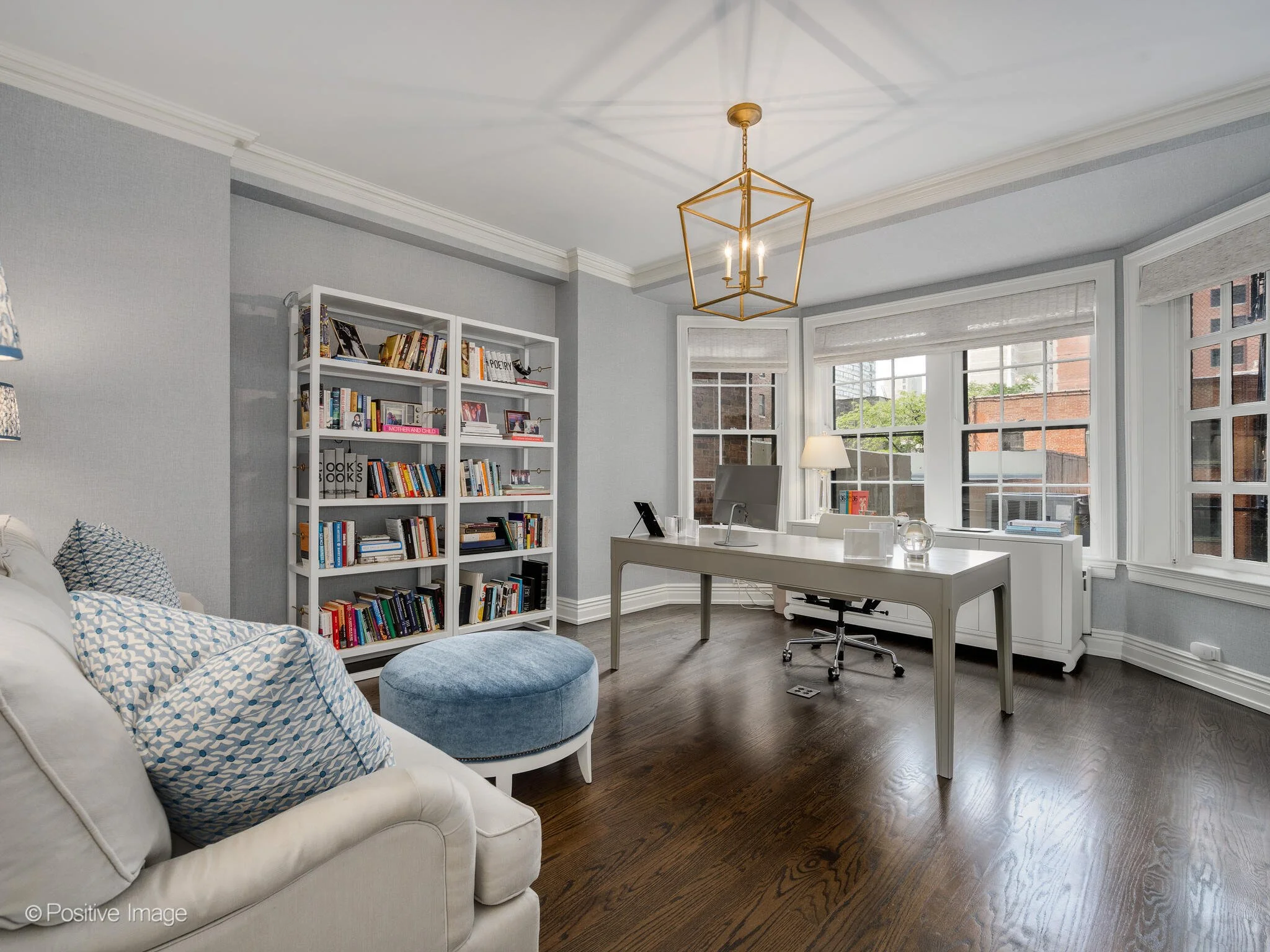
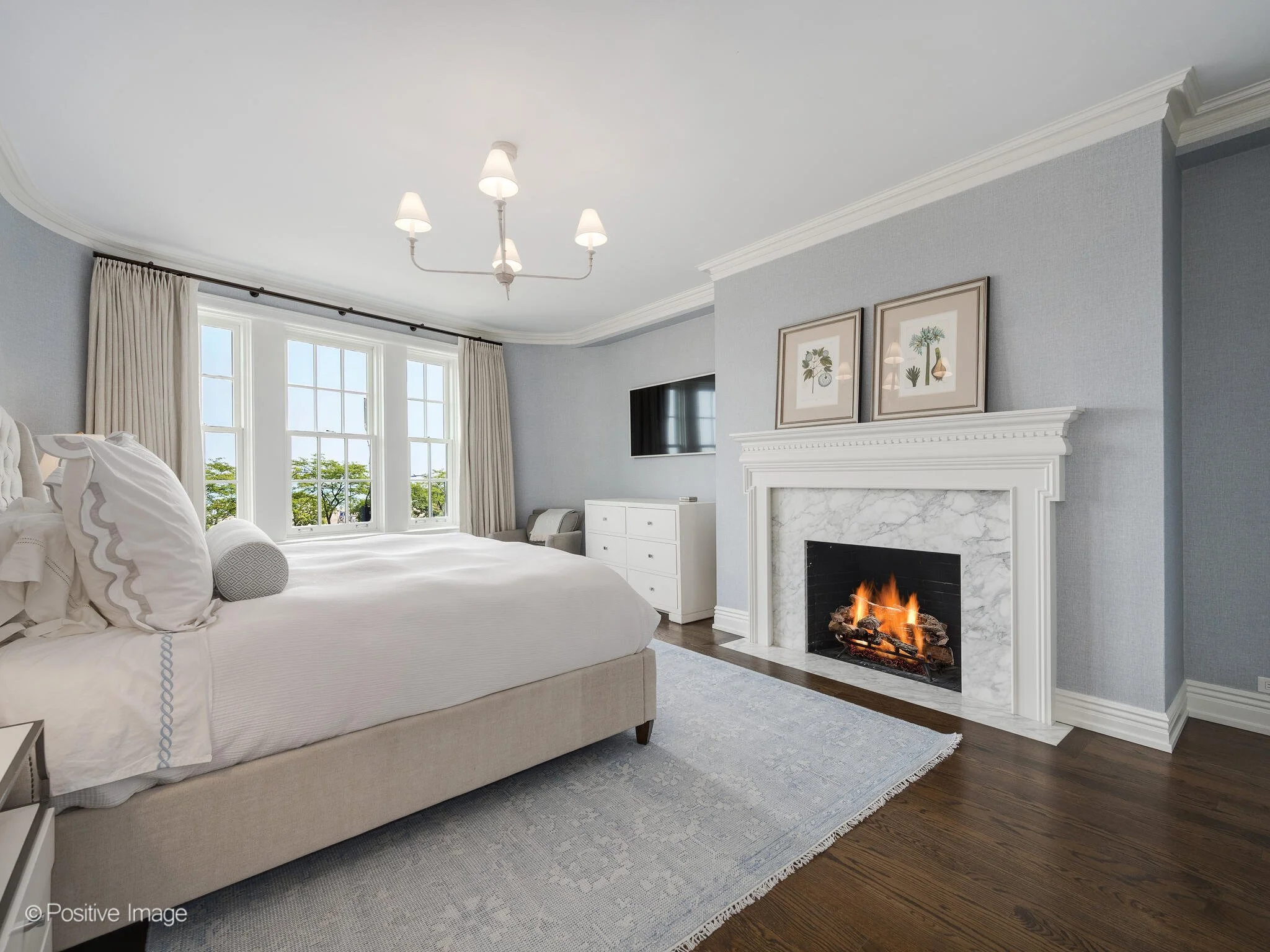
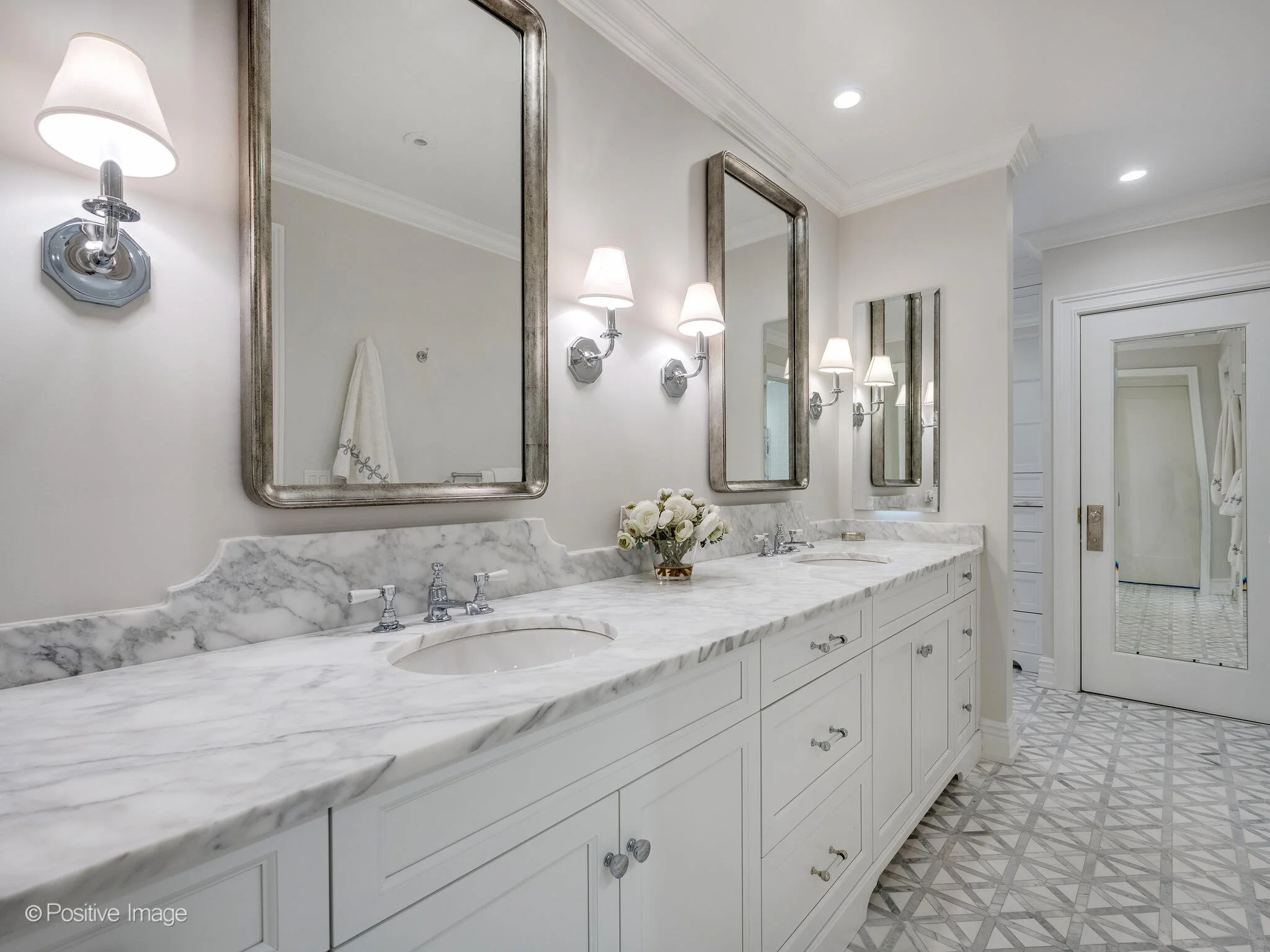
In Chicago, we were entrusted with the sale of a distinctive co-op residence — offering the scale and livability of a single-family home within a full-service building.
The timing required a thoughtful approach.
Elevator buildings were facing reduced demand, and the co-op structure itself was often misunderstood. Rather than positioning the property within the broader market, we refined our strategy to focus on the right audience.
We elevated the home’s narrative — showcasing its expansive square footage, privacy, and single-family feel — while also thoughtfully educating buyers on the unique advantages of co-op living.
At the same time, we activated a more targeted channel.
Recognizing that current co-op owners are among the most informed and connected advocates for this style of living, we curated a private breakfast event for neighboring co-op residents. This allowed us to engage directly with an audience who not only understood the value, but could also extend the opportunity within their own networks.
This highly tailored approach generated meaningful interest and ultimately connected the home with the right buyer — one who fully appreciated both the residence and the lifestyle it offered.
From a Legendary Chicago Residence to a New Beginning in California
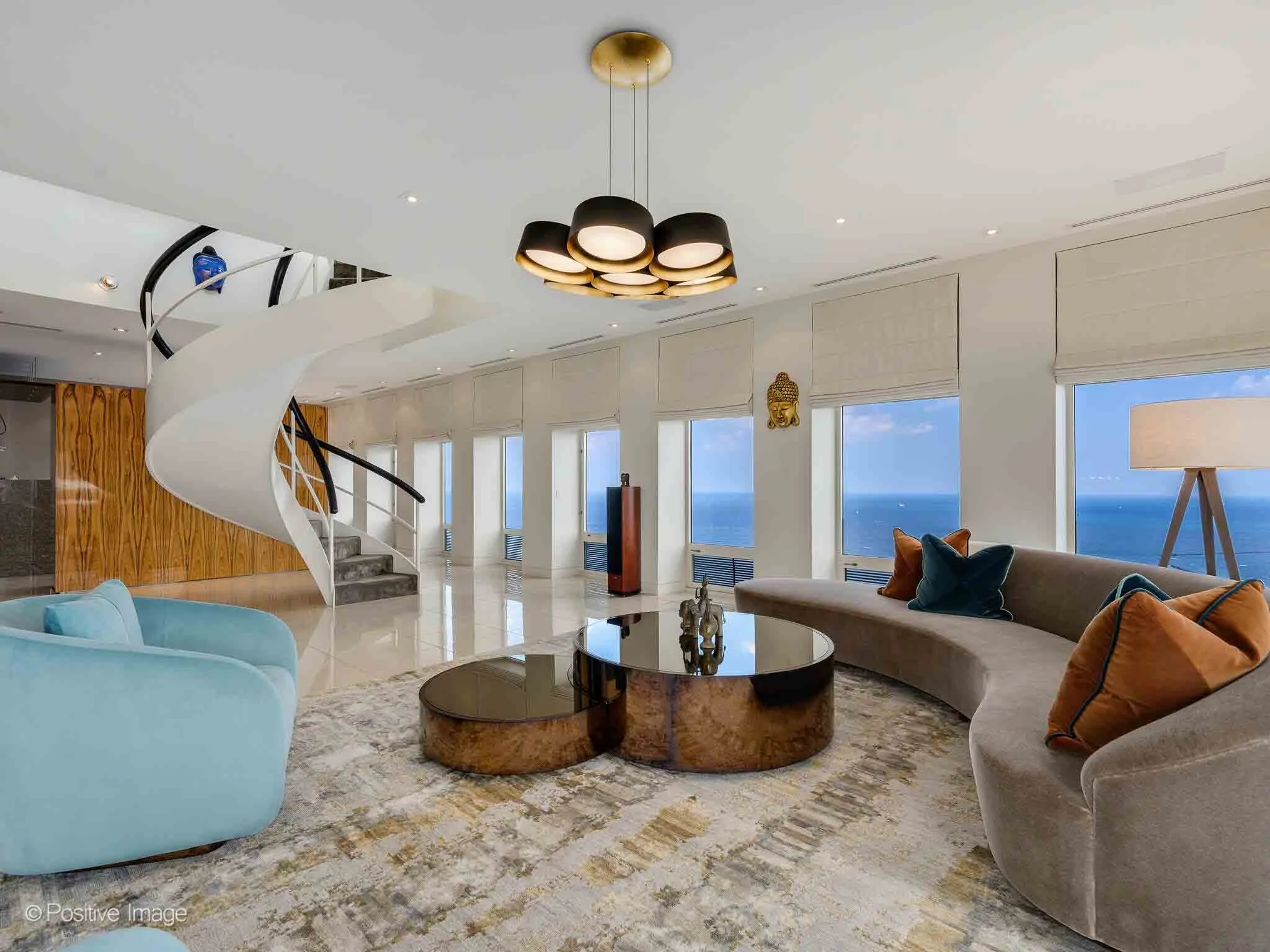
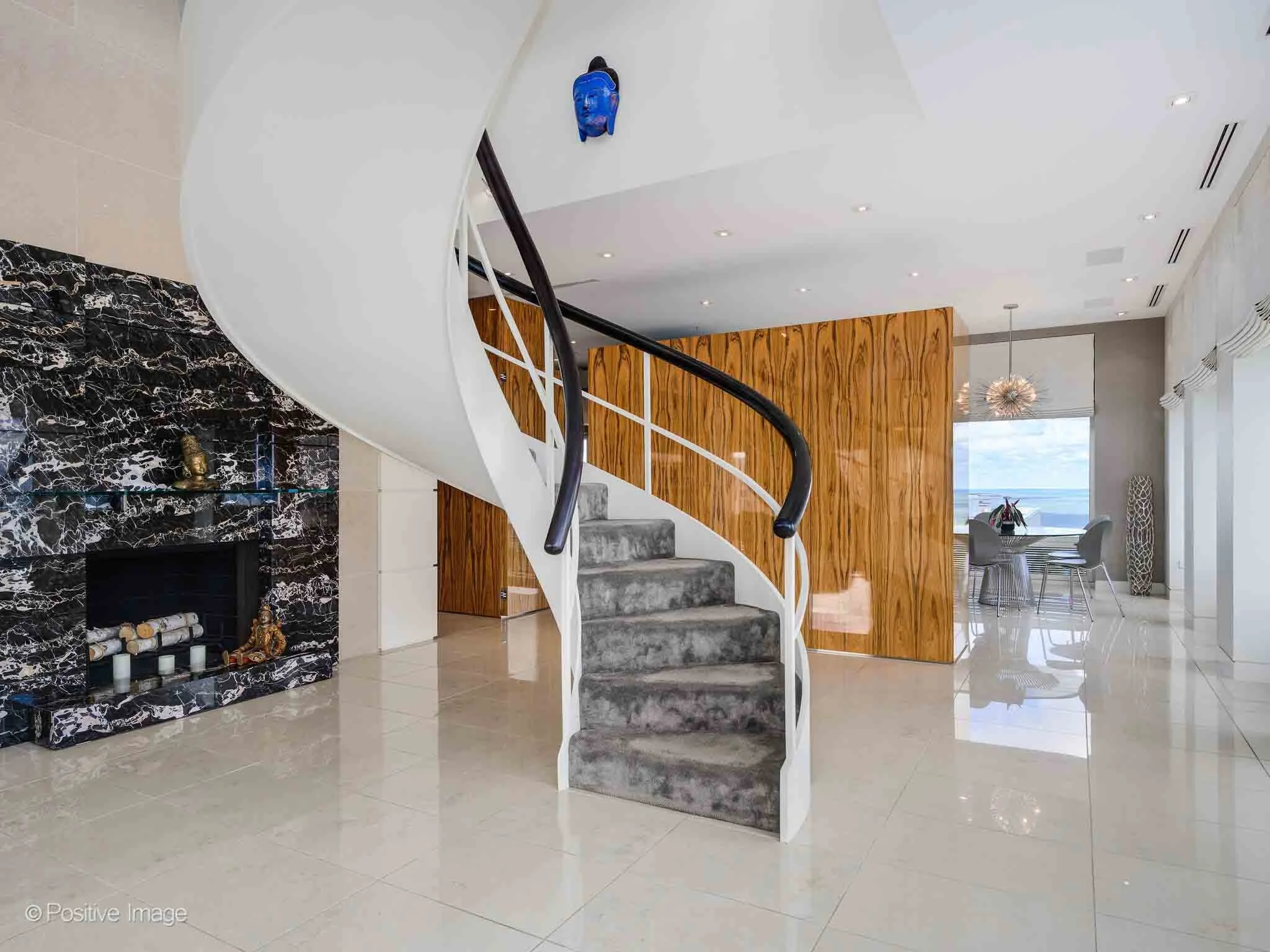
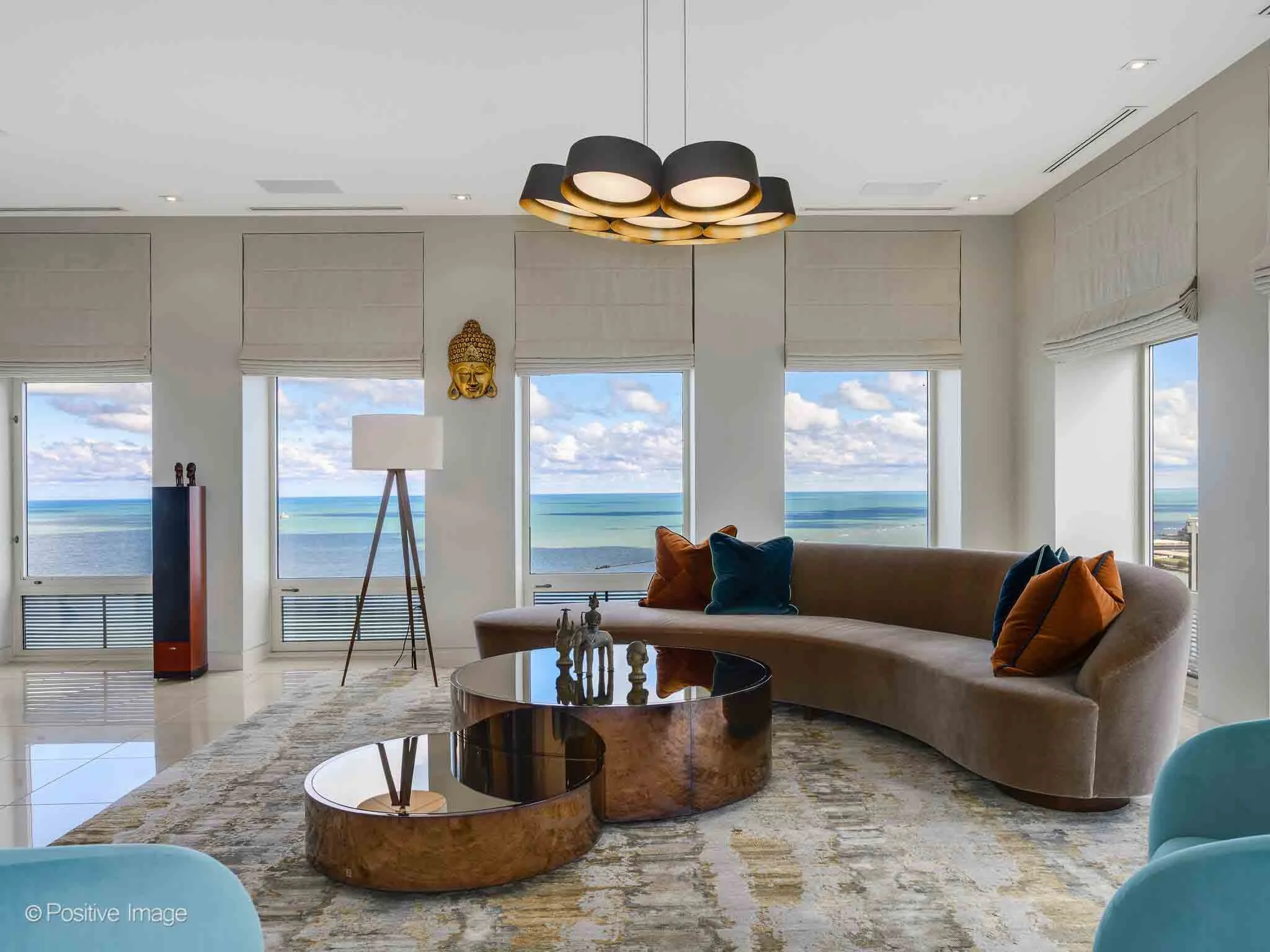


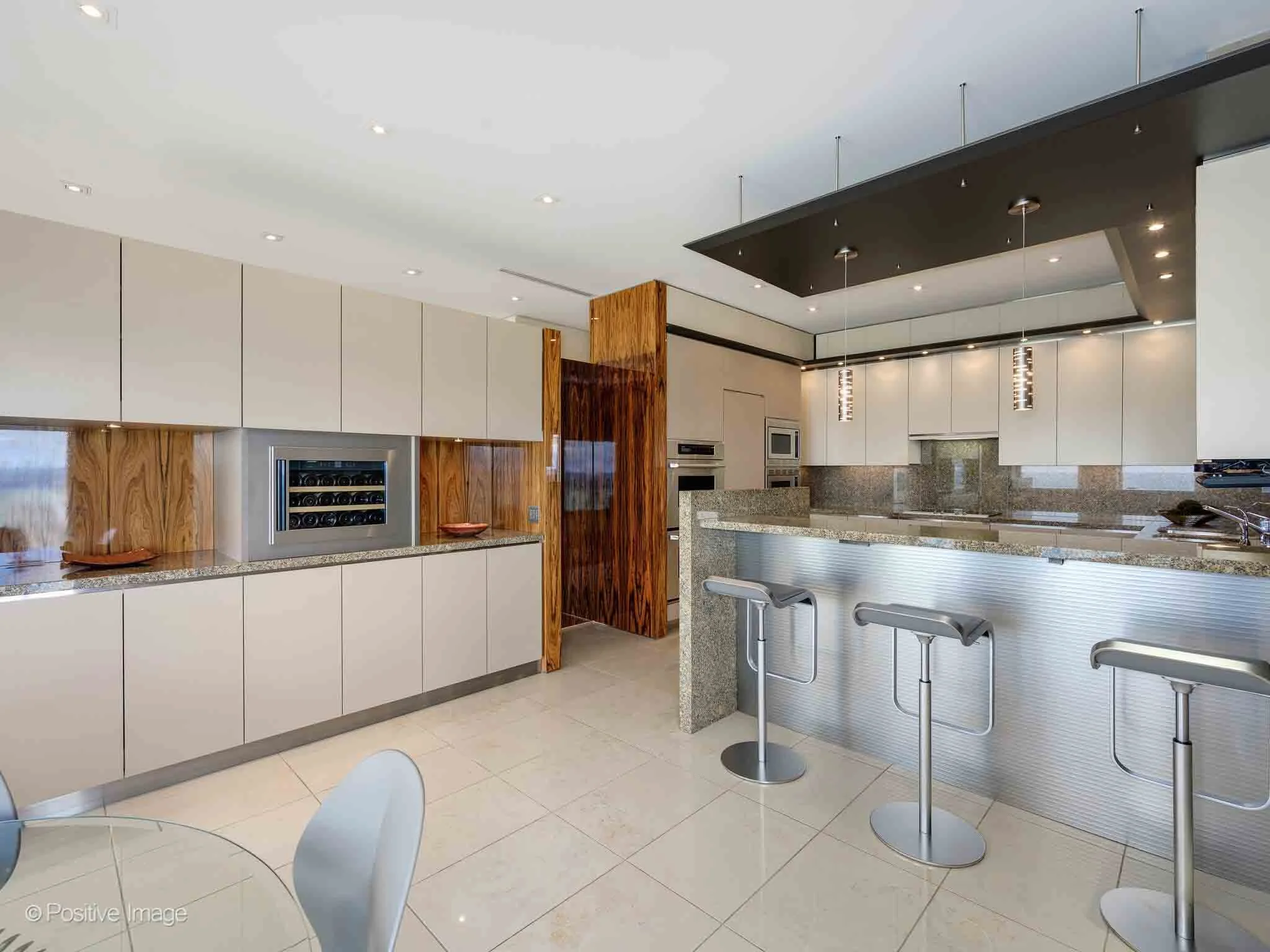


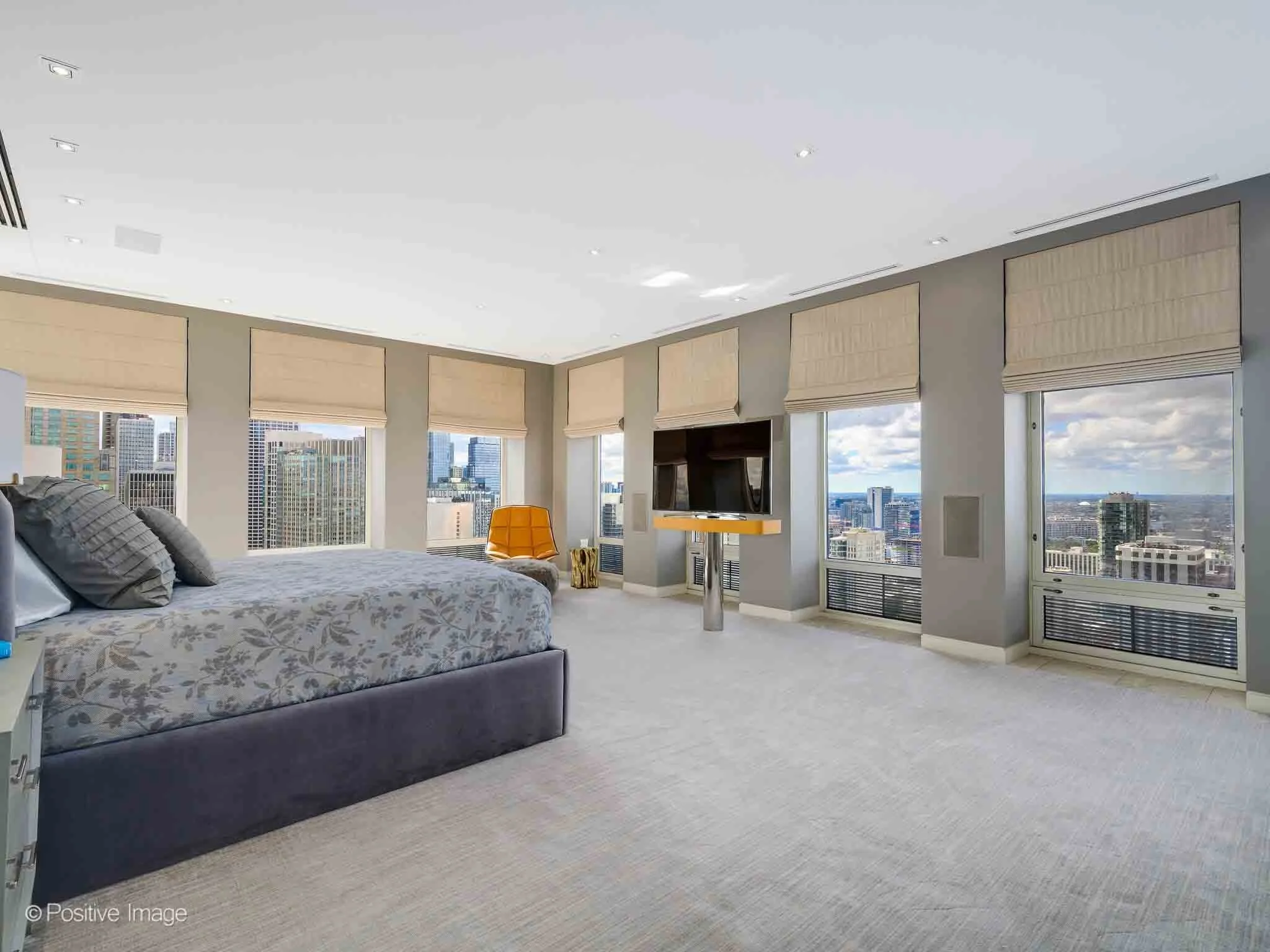






Through our network, we were introduced to an executive preparing for a significant transition — relocating his family from Chicago to California.
This was more than a move. It was a pivotal life moment requiring thoughtful planning across multiple fronts, from identifying the right city and community to ensuring access to top schools and resources.
We activated our national network, connecting the family with leading real estate experts across key California markets. Through this process, they ultimately found their next home in Los Angeles — supported not only by the right real estate partner, but also by trusted community connections that helped ease their transition well before the move.
At the same time, we were entrusted with the sale of their Gold Coast penthouse — a truly iconic residence once owned by a legendary Chicago Bulls player.
Our approach was highly intentional.
Over the course of several weeks, we meticulously crafted every detail of the marketing strategy — from a bespoke property website and refined collateral to a curated pre-market event designed to engage a targeted audience of top brokers and high-net-worth individuals.
The result was a standout event attended by over 75 influential guests, generating meaningful interest and positioning the home at the highest level of the market.
With precise timing aligned to the client’s relocation, and thoughtful preparation including staging and enhancements to elevate the home’s presentation, we secured a successful pre-market sale at a record level.
A defining moment for the property.
A seamless transition for the client.
From Chicago to California, every detail was handled with intention — allowing our clients to move forward into their next chapter with complete confidence.
Curated Connections
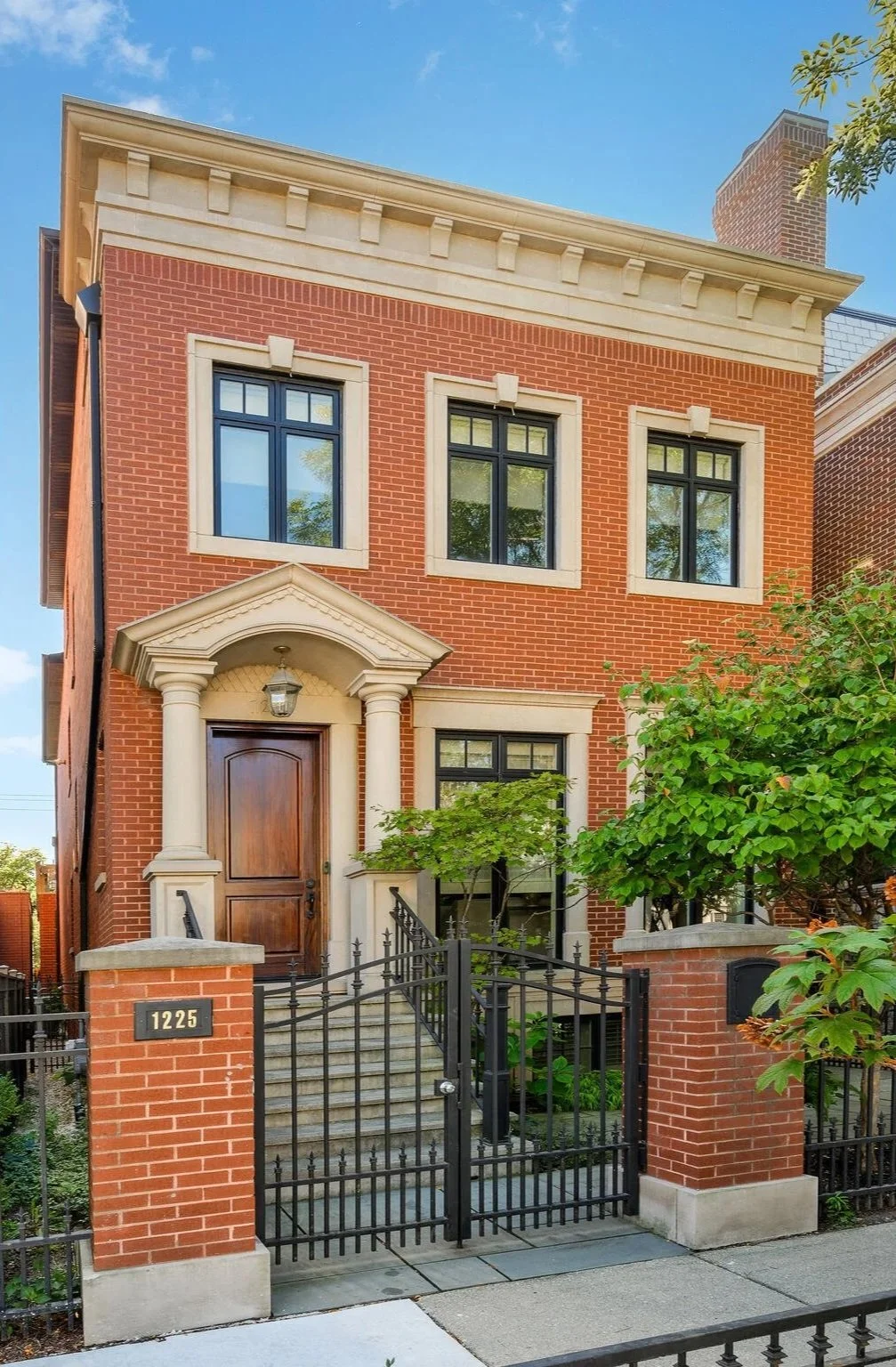


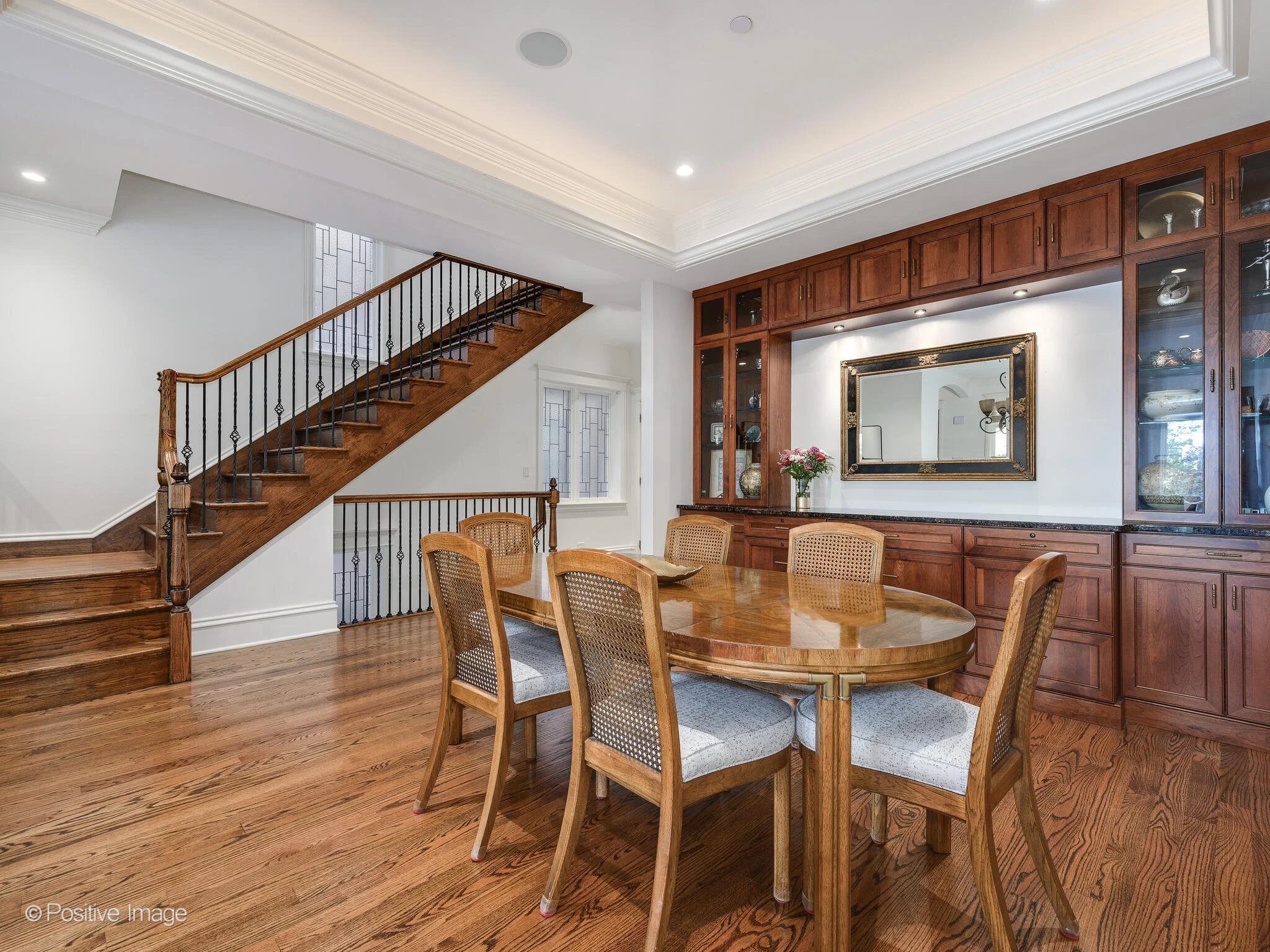

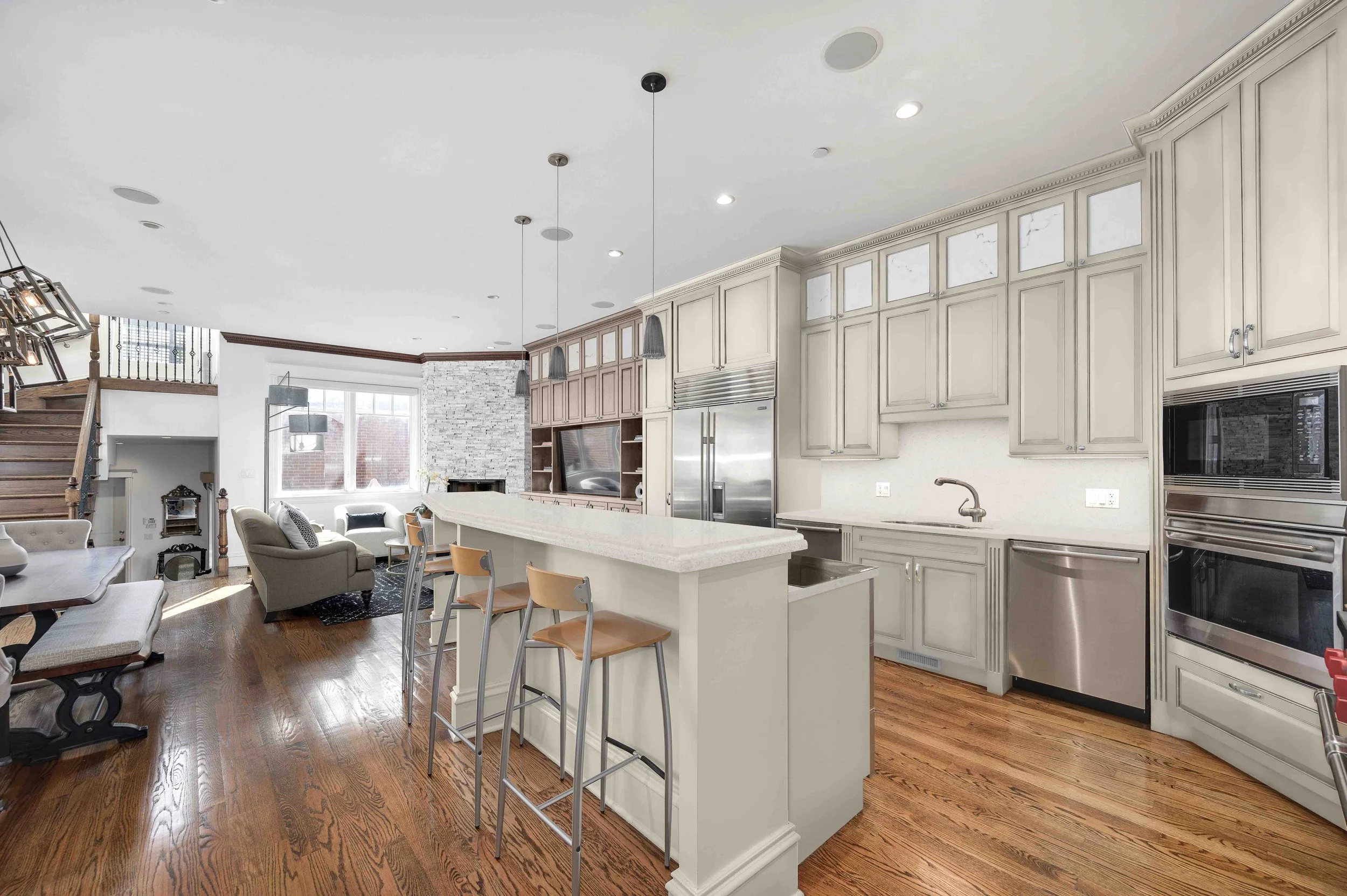


In Southport Corridor, we partnered with a seller whose home was positioned on a premier block, offering beautiful architectural character and many unique features — along with an opportunity for thoughtful modernization.
Rather than relying solely on traditional marketing, we took a more strategic, tailored approach.
In collaboration with a trusted local designer, we developed design concepts and floor plan ideas that brought the home’s full potential to life. These materials became a key part of our marketing, allowing buyers to clearly see how the home could be transformed into a modern, refined space.
Through our network, we also identified the right buyer — one of our own clients — who had initially been focused on move-in ready homes, but quickly recognized the opportunity to create something truly personal without paying a premium for completed renovations.
By bringing both sides together through our network, we created alignment from the start.
The result was a successful sale for the seller and a meaningful opportunity for the buyer. We continued to guide the process beyond the closing, connecting the buyer with our trusted network of contractors to ensure a seamless and high-quality transformation.
A Thoughtful Approach When It Was Needed Most.








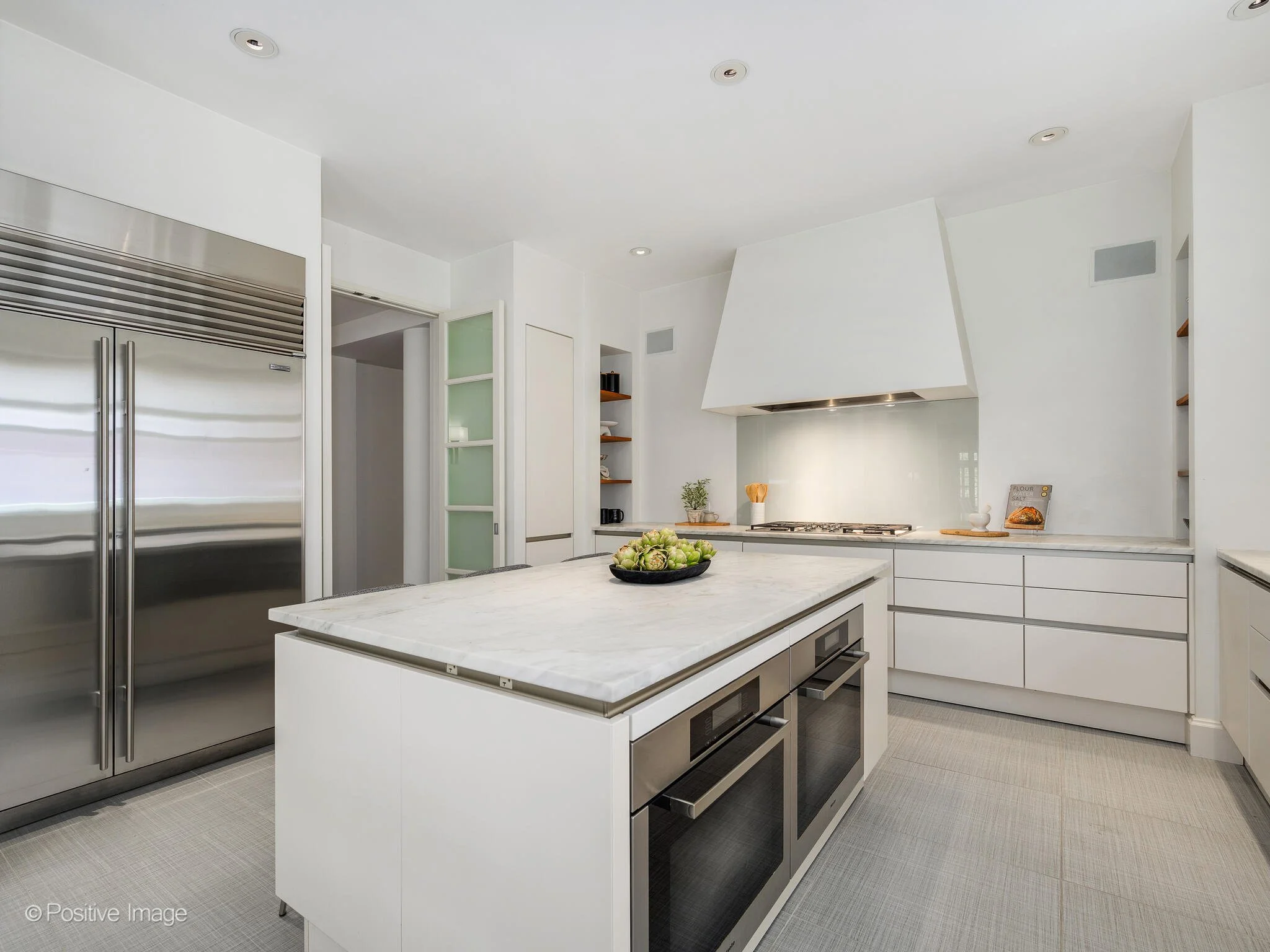


After helping a client secure a distinctive Lincoln Park residence, an unexpected family medical situation required them to return to New York shortly after closing.
With timing and circumstances shifting quickly, we stepped in to create a seamless solution.
Through our network, we identified another client in need of a short-term residence — one who had just purchased a unique Lincoln Park home and was preparing for a full renovation. Within one week, we successfully placed them into the home as tenants, creating a thoughtful, mutually beneficial arrangement.
From there, Busby Group managed every detail. We oversaw the rental, coordinated the eventual move-out, and prepared the home for market with a meticulous approach to staging and presentation.
To further elevate the offering, we hosted curated events with local designers — showcasing the home’s vintage character while highlighting its potential as a modern, refined residence. This strategic positioning drove meaningful interest and ultimately resulted in a top-dollar sale.
Throughout the entire process, our clients remained out of state — confident that every step was being handled with care, discretion, and expertise.
White-Glove Service at Every Step

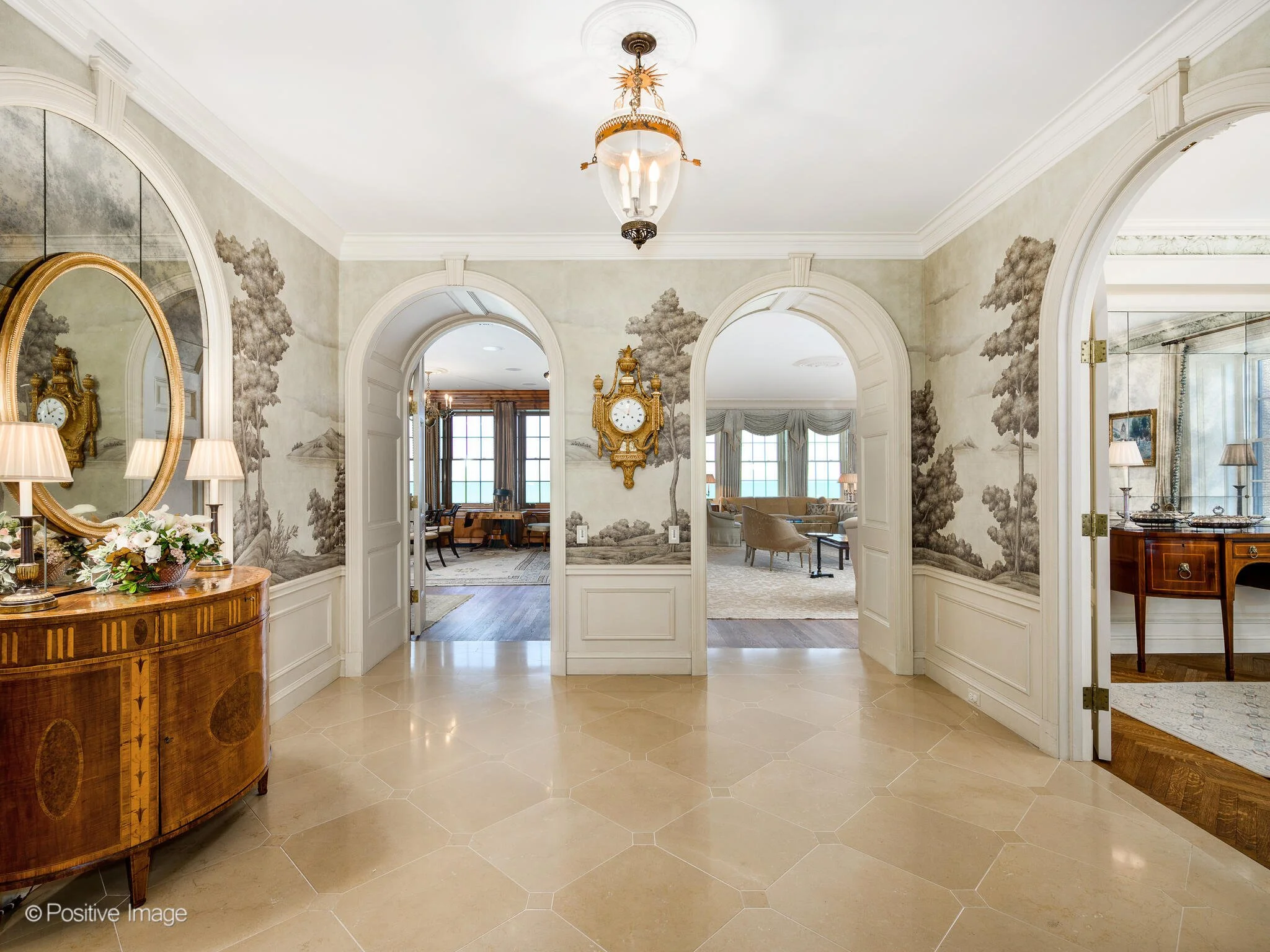
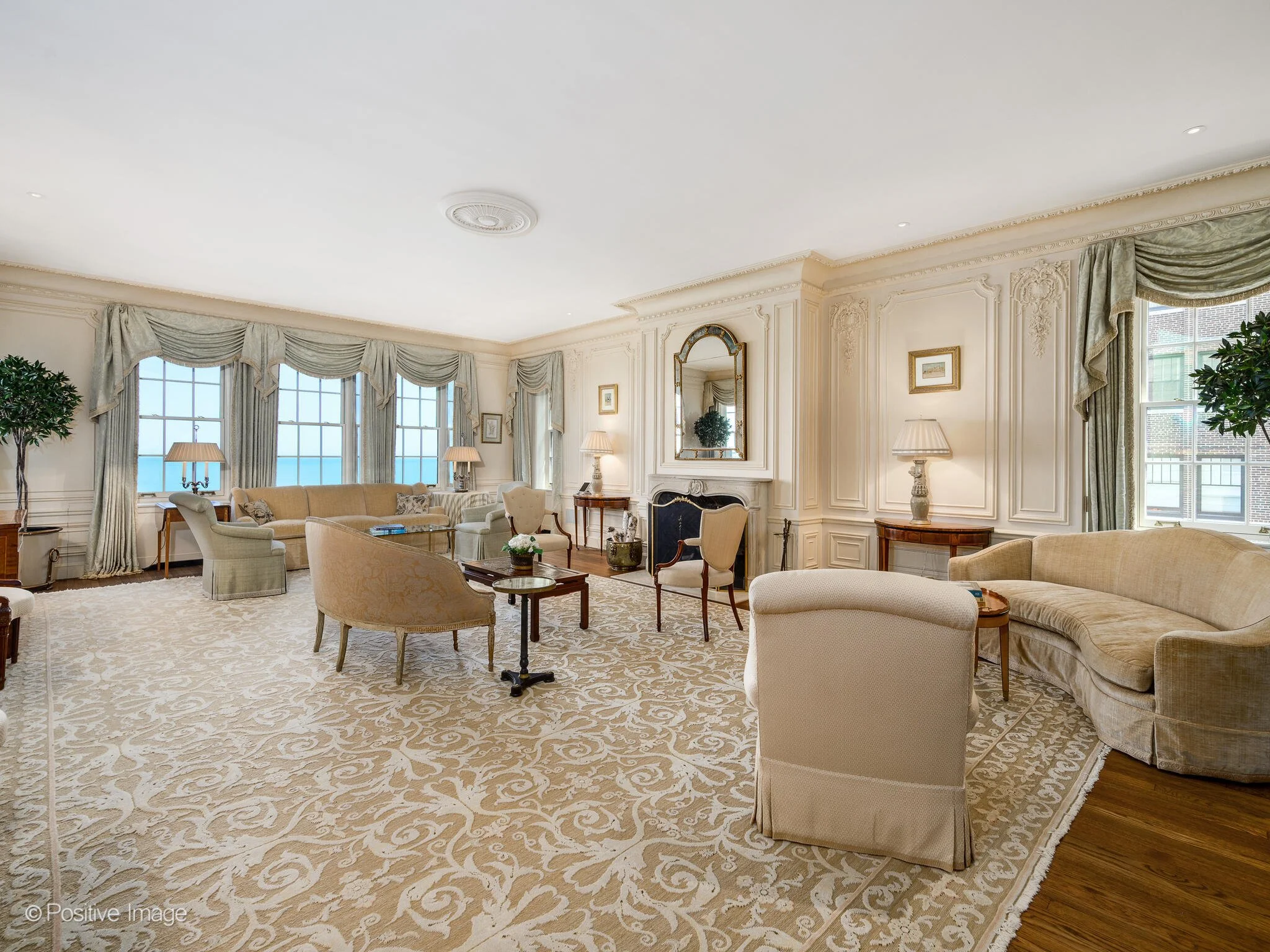
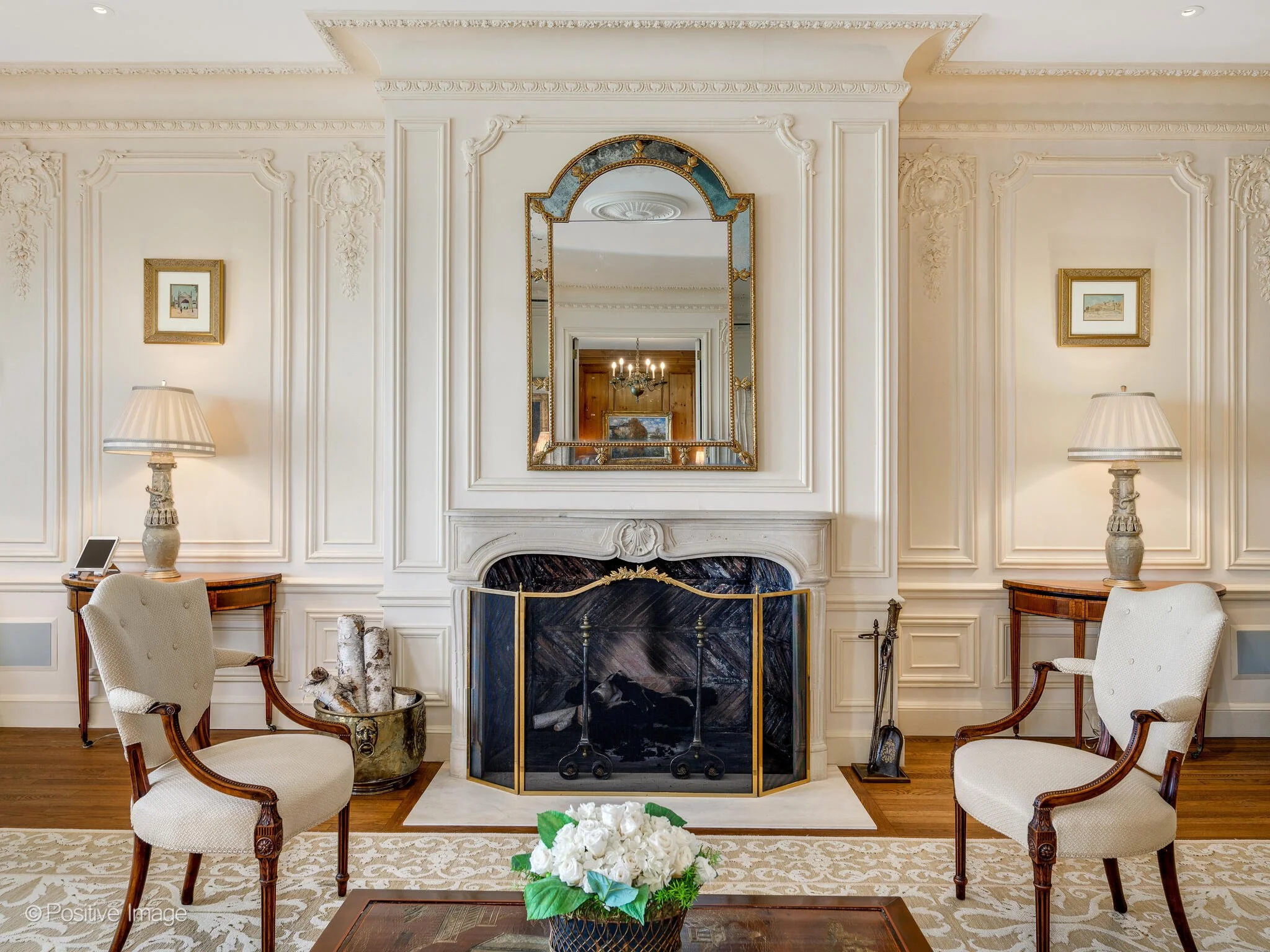
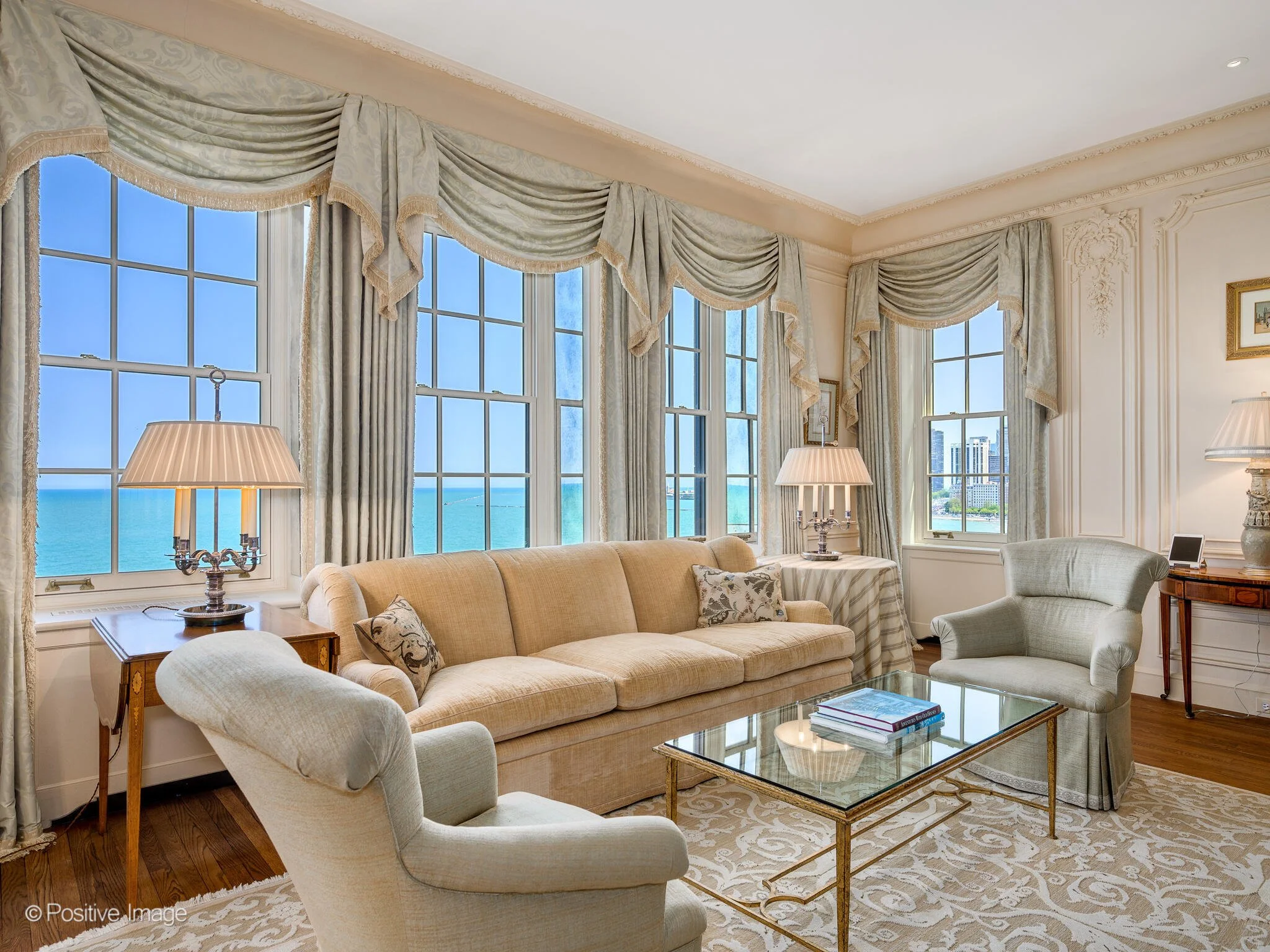
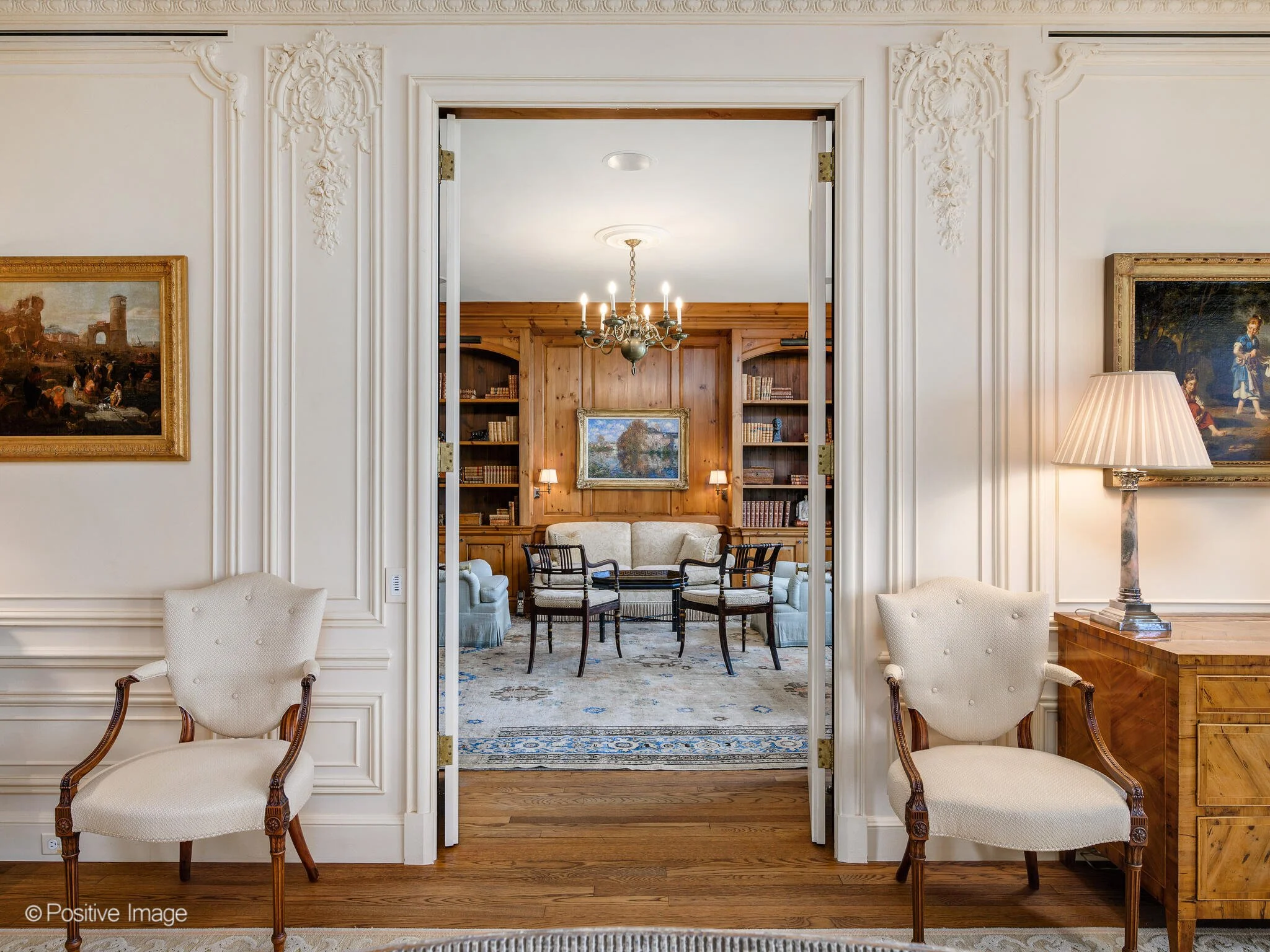
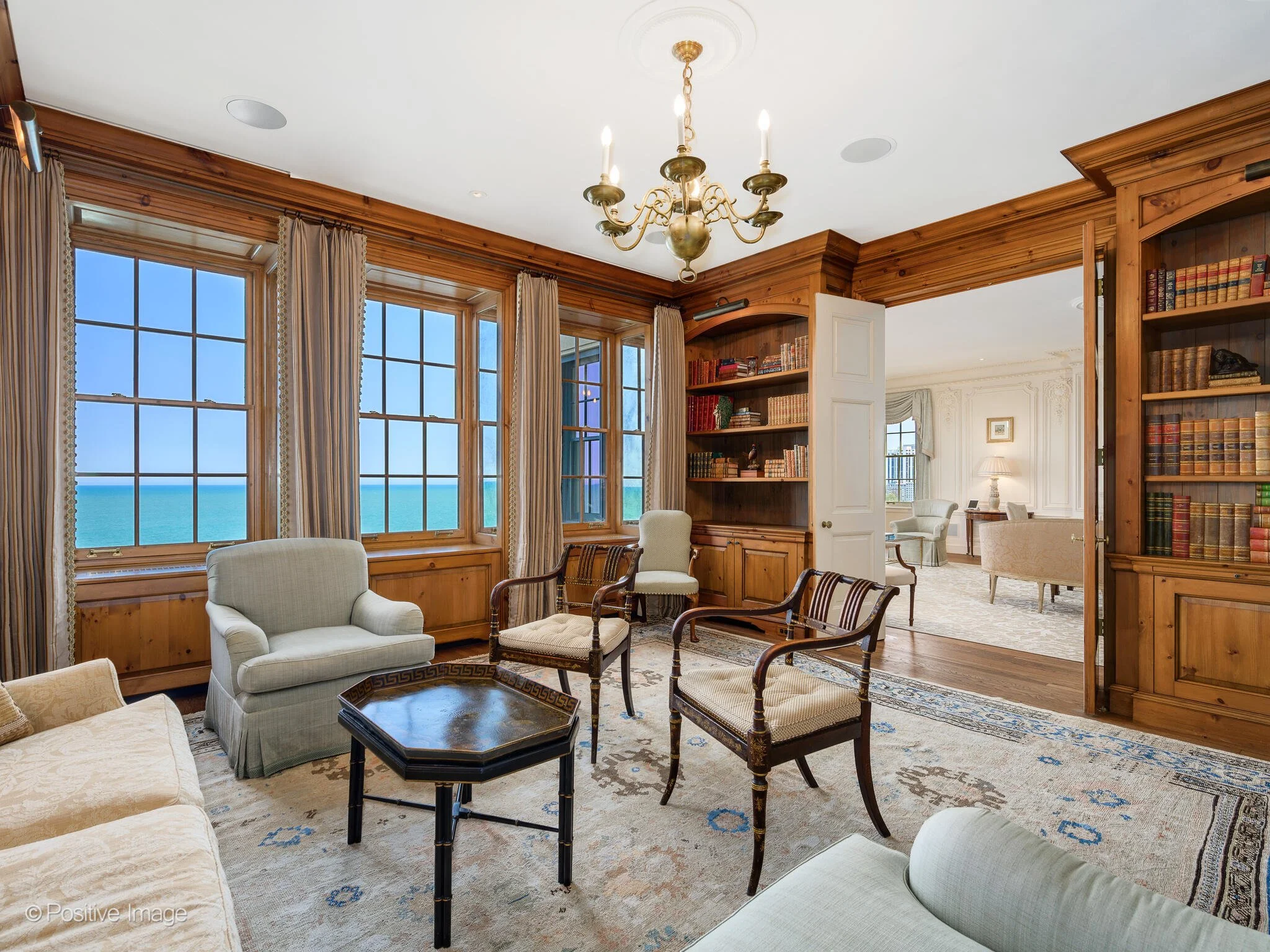
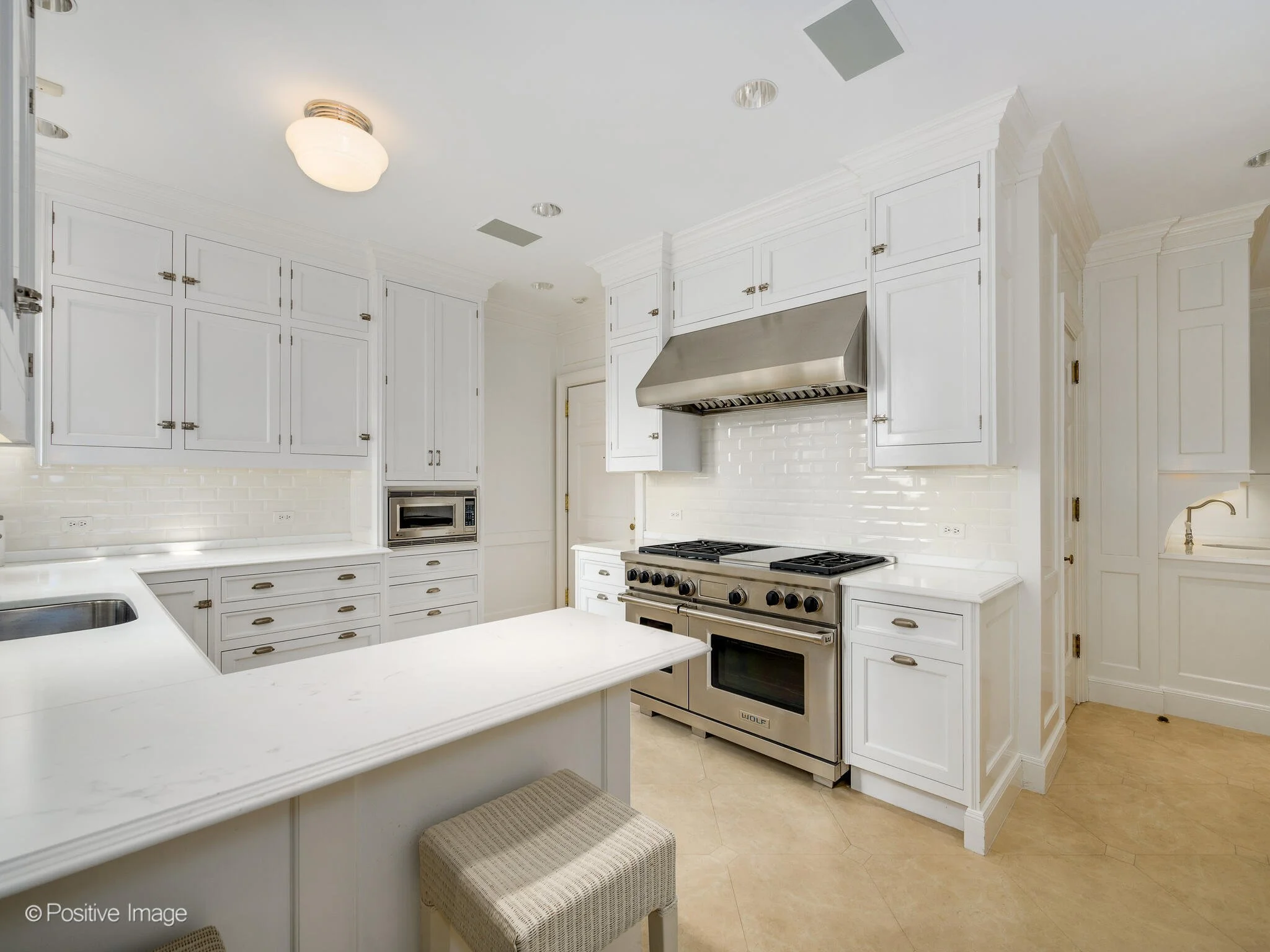
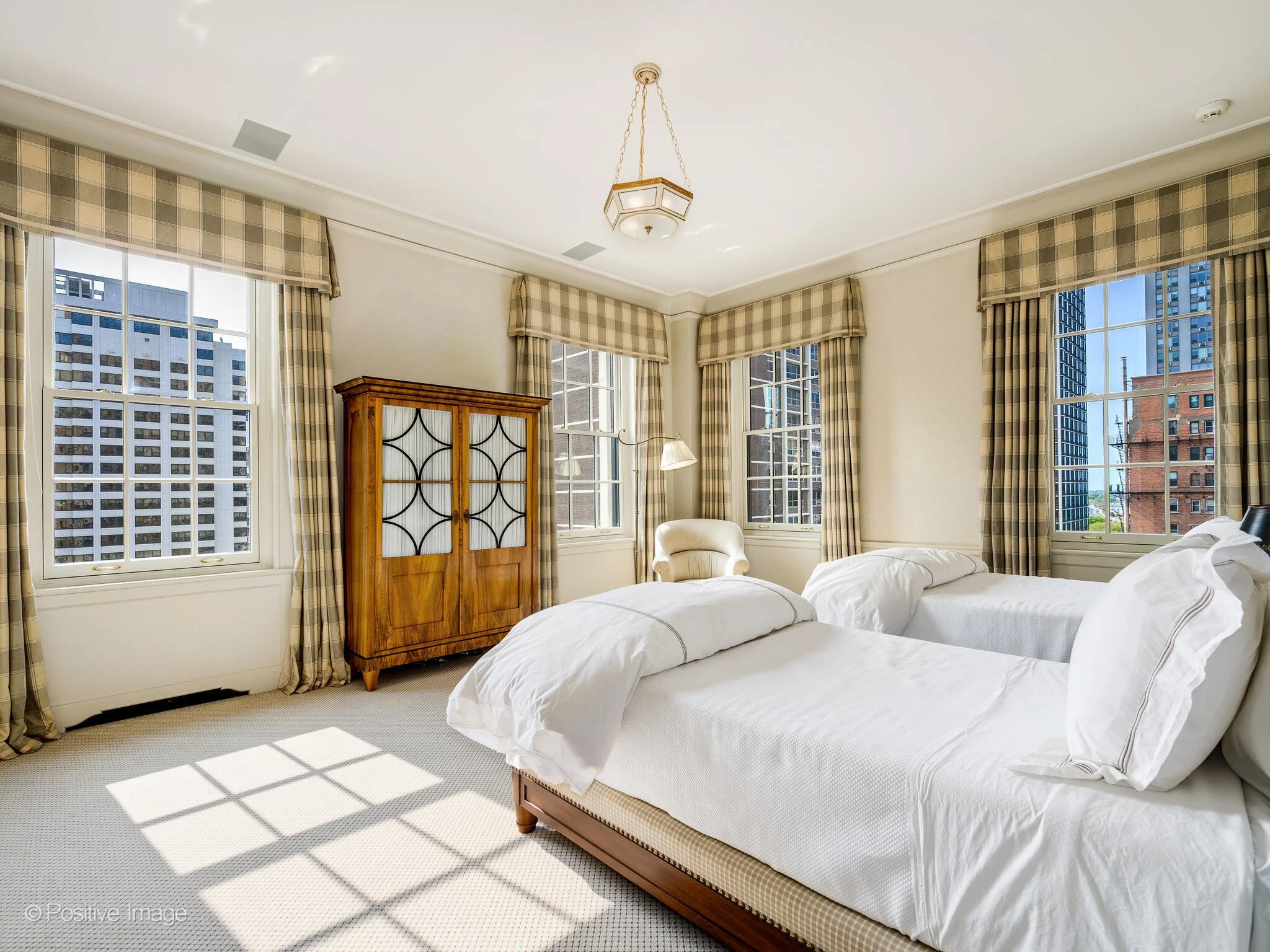



For a client with a national portfolio of residences, the sale of his Gold Coast home was a strategic decision — one that required discretion, precision, and complete ease.
After a single initial walkthrough, he returned to Florida and entrusted Busby Group to manage every detail.
We curated and prepared the home for market, coordinating staging and edits to ensure it showed at its absolute best. Leveraging our private network and off-market strategy, we generated immediate demand and secured a strong all-cash buyer — selling the home in just three days, pre-market, at full price.
Once under contract, we seamlessly transitioned into managing the next phase: coordinating the estate sale and overseeing the careful packing, handling, and delivery of the client’s keepsakes, artwork, and belongings to another residence — all with the highest level of care and discretion.
A truly hands-off experience for the client. A fully executed process from start to finish.