
Whole Foods + Trader Joe's Are Coming to Logan Square. Here's What We Know.

Whole Foods + Trader Joe's Are Coming to Logan Square. Here's What We Know.
Quick Answer
Logan Square is getting two major new grocery options along Milwaukee Avenue. Whole Foods has confirmed a smaller-format store at 2280 N. Milwaukee Ave., while Trader Joe's is moving forward at 2053 N. Milwaukee Ave., with an early 2027 opening currently targeted.
The timing is especially interesting. The announcements follow a roughly $27 million redesign of Logan Square and Milwaukee Avenue, adding new public spaces, pedestrian improvements and expanded bike infrastructure to a corridor already anchored by the CTA Blue Line.
Taken together, it's another chapter in the continued evolution of Milwaukee Avenue, with added convenience for Logan Square and nearby Bucktown, Avondale and Humboldt Park.
Whole Foods Is Coming to 2280 N. Milwaukee Ave.
Whole Foods has confirmed plans for a new location in the former Family Dollar at 2280 N. Milwaukee Ave., according to reporting from Block Club Chicago.
The store will use Whole Foods' smaller urban format, designed around convenient everyday grocery shopping in dense neighborhoods rather than the footprint of a traditional full-size Whole Foods.
The location is particularly notable because of its proximity to the California Blue Line station, putting groceries directly along one of Logan Square's primary transit, pedestrian and bike corridors.
Ald. Daniel La Spata summed up the convenience factor well when he told Block Club Chicago:
“The opportunity to step off the train and into a grocery store is a great one for our residents.”
An opening date hasn't been announced.
Trader Joe's Is Moving Forward at 2053 N. Milwaukee Ave.
A few blocks southeast, Trader Joe's is moving forward with its planned store at 2053 N. Milwaukee Ave., in the former CVS property.
What started with plenty of neighborhood speculation has progressed considerably. Block Club Chicago reported that the project is moving through the permitting and renovation process, with an early 2027 opening currently targeted.
Trader Joe's hasn't announced an official opening date yet.
The location is also notable because the former CVS has been vacant since 2017. Bringing an active grocery use back to the property would fill a prominent longtime vacancy along Milwaukee Avenue.
And This Is Happening Just as Logan Square Has Been Redesigned
The grocery news isn't happening in isolation.
After years of planning and construction, Chicago recently completed a roughly $27 million redesign of Logan Square and the surrounding Milwaukee Avenue corridor.
One of the biggest changes is something residents notice immediately: Milwaukee Avenue no longer cuts directly through the Square.
Instead, the street was rerouted around it, using a hybrid roundabout, reconnecting the public space surrounding the Illinois Centennial Monument and creating a more cohesive gathering place.
The project also added:
New public plazas, including La Placita beside the Logan Square Blue Line station
Nearly an acre of additional public space
Off-street and protected bike infrastructure around the Square and along portions of the corridor
Wider sidewalks and improved pedestrian crossings
New landscaping, trees and lighting
More space for outdoor dining, community events and neighborhood gatherings
One of the best examples of how the new space is already changing the neighborhood experience is the Logan Square Farmers Market.
The redesigned Square gave the popular Sunday market more room to spread out and created a layout that makes it easier to walk, shop and stay awhile. The expanded space also provides a dedicated area for local makers and craft vendors, adding another dimension beyond produce and food.
That's important because the redesign wasn't simply about moving traffic around. It created more usable public space in the heart of the neighborhood.
Residents can come off the Blue Line, walk through the market, stop at local businesses, bike along the corridor or spend time in the Square itself. With Whole Foods and Trader Joe's joining the Milwaukee Avenue mix, even more everyday errands can happen along the same corridor.
Milwaukee Avenue May Be the Bigger Story
Put all of this together and the story becomes more interesting than two new grocery stores.
Milwaukee Avenue is continuing to develop as a place where transportation, retail, restaurants, housing and public space intersect.
The corridor connects Bucktown and Wicker Park through Logan Square and northwest toward Avondale. The Blue Line runs alongside much of that activity, providing direct access toward Downtown Chicago and O'Hare.
Now add the redesigned Square, protected bike infrastructure, an expanded Farmers Market experience, Whole Foods near the California station and Trader Joe's a few blocks southeast.
For someone living nearby, these aren't abstract improvements. They're about being able to walk or bike to pick up groceries, take the Blue Line to work, meet friends for dinner, browse the Farmers Market or spend a Sunday morning in the Square without necessarily getting in a car.
That's a meaningful lifestyle benefit.
And as Logan Square continues to evolve, we think the most interesting version of that growth is one that adds useful amenities while retaining the local restaurants, shops, architecture, markets and independent businesses that give the neighborhood its identity.
The Benefits Reach Beyond Logan Square
Chicago neighborhood boundaries don't dictate where people shop, eat or catch a train.
For residents in parts of Bucktown, the Trader Joe's location will add another nearby grocery option along Milwaukee Avenue.
For Avondale, the additions sit along a natural route southeast through the Milwaukee corridor.
And for portions of Humboldt Park, Whole Foods near California adds another grocery option just east of the neighborhood.
That broader accessibility is one reason we pay attention to commercial and infrastructure changes like these. A new business may have a Logan Square address, but its convenience can extend well beyond the neighborhood boundary.
What About Logan Square Home Values?
The arrival of Whole Foods and Trader Joe's will inevitably raise the real estate question:
What does this mean for home values?
We wouldn't suggest that two grocery stores will cause property values to rise.
Home values are influenced by housing supply, property condition, interest rates, transportation, development, inventory and overall buyer demand, among many other factors.
Where we do think these changes matter is livability.
When we're showing buyers homes, the conversation isn't limited to bedrooms, bathrooms and square footage. Buyers regularly ask how far they'll be from the train, where they'll get groceries, whether they can bike comfortably, what restaurants they can walk to and what they'll actually do on a Saturday morning.
That's why the combination matters more than any individual store.
The Blue Line, Milwaukee Avenue, protected bike infrastructure, new public spaces, restaurants and independent businesses, the Farmers Market and additional grocery options create a strong collection of everyday conveniences.
For homeowners and investors, that's worth watching alongside housing inventory, development and broader market conditions.
What We're Watching Next
There are still details to come.
Whole Foods hasn't announced an opening date for its Logan Square store. Trader Joe's is currently targeting early 2027, but an official opening date hasn't been announced.
We're also watching the continued evolution of Milwaukee Avenue, including additional retail, residential development and the way residents and businesses use Logan Square's newly redesigned public spaces.
The bigger story isn't simply that Logan Square is getting two recognizable grocery brands.
It's that Milwaukee Avenue continues to evolve as one of the Northwest Side's most connected corridors for housing, transit, biking, dining, shopping and everyday life.
Frequently Asked Questions
Is Whole Foods coming to Logan Square?
Yes. Whole Foods has confirmed plans for a smaller-format store at 2280 N. Milwaukee Ave., in the former Family Dollar space. An opening date hasn't been announced.
Is Trader Joe's coming to Logan Square?
Yes. Plans are moving forward for Trader Joe's at 2053 N. Milwaukee Ave., in the former CVS property. An early 2027 opening is currently targeted, although an official opening date hasn't been announced.
Where will the Logan Square Whole Foods be?
The planned store is at 2280 N. Milwaukee Ave., near the California Blue Line station.
What changed with the Logan Square redesign?
The approximately $27 million project reconfigured Milwaukee Avenue and the Logan Square traffic circle, created new public plazas and gathering spaces, and added pedestrian, bicycle, landscaping, lighting and streetscape improvements. Milwaukee Avenue no longer cuts directly through the Square.
How has the redesign changed the Logan Square Farmers Market?
The redesigned public space gives the Farmers Market more room to spread out, making it easier to walk through and enjoy. The new layout also provides space for local makers and craft vendors alongside the market's food and produce vendors.
Will Whole Foods and Trader Joe's affect Logan Square home values?
No single retailer determines home values. Grocery access, transportation, bike infrastructure, walkability, public spaces and nearby retail are, however, among the lifestyle factors buyers often consider when choosing a neighborhood or property.
Busby Group Perspective
What catches our attention isn't simply that Whole Foods and Trader Joe's are coming to Logan Square. It's where they're choosing to locate and what else is happening around them.
Within a relatively concentrated stretch of the neighborhood, we're seeing a redesigned Logan Square, new public gathering spaces, expanded bike infrastructure, a reimagined Farmers Market, Blue Line access and additional everyday retail.
Add those improvements to the restaurants, coffee shops, parks, architecture and local businesses already here, and the neighborhood becomes easier to navigate and enjoy.
That's the kind of change we pay attention to in real estate. Not because one new store determines a home's value, but because the places people choose to live are shaped by the collection of conveniences, connections and experiences around them.
Thinking about buying or selling in Logan Square, Bucktown, Avondale, or Humboldt Park? Contact Busby Group for a hyperlocal look at what we're seeing in the market.

Why We Built Busby Group Differently: Julie Busby on Concierge Service, Referrals and the Future of Real Estate
Quick Answer: Busby Group founder Julie Busby recently joined the Under Contract podcast to talk about the nearly 25-year career that shaped how we work today. From rebuilding her business after moving to Chicago to creating a dedicated client concierge, Julie shares why Busby Group has grown around relationships, referrals, collaboration and making the moving process easier for our clients.
When Julie Busby started selling real estate in San Diego nearly 25 years ago, there was no Busby Group, no concierge, and certainly no AI helping behind the scenes.
There was simply a determination to learn the business and take great care of people.
That philosophy followed Julie when she moved to Chicago in 2011 and had to rebuild her real estate business in a completely new city. It eventually became the foundation for Busby Group and many of the things we do differently today.
Julie recently sat down with Under Contract to talk about that evolution, including why we created a dedicated client concierge, how relocation and professional athlete services became part of our business, why roughly 95% of our business comes from referrals and repeat clients, and how we're approaching AI without losing the human side of real estate.
Why We Created a Client Concierge
As Busby Group grew, we faced a challenge that comes with many growing real estate teams.
More people can mean more expertise and more support, but it can also mean more emails, more phone calls and more confusion for the client.
We wanted the opposite.
That's one of the reasons we created a dedicated Busby Group concierge.
Our brokers remain directly involved with their clients and their real estate strategy. The concierge adds another layer of support for everything surrounding the move.
That might mean connecting a seller with a contractor before listing, coordinating movers before closing, helping a relocating family find childcare resources, arranging utility setup, locating an organizer or handyman, or finding a trusted professional for something that comes up six months after closing.
Over time, we've built relationships with vetted resources throughout Chicagoland so our clients don't have to start every search from scratch.
It's not about handing someone off. It's about giving them more people in their corner and fewer things to manage themselves.
A Business Built Mostly Without Paid Leads
One of the numbers Julie shares in the interview says a lot about how Busby Group has grown: roughly 95% of our business comes from referrals and repeat clients, with no paid lead generation.
That doesn't happen at closing. It happens in the years afterward.
We stay connected with past clients through market advice, events, annual gifting, home resources and plenty of conversations that have nothing to do with buying or selling a house.
We've helped clients move from a first condo to a larger city home, from the city to the suburbs, and sometimes back again. We've also had clients introduce us to parents, siblings, friends, colleagues and neighbors.
Those introductions carry weight. When someone trusts us enough to refer a person they care about, we want that person to understand exactly why the introduction was made.
That relationship-first approach has become one of the most important measures of our business.
From Chicago Relocations to Professional Athletes
Julie also shares how relocation became an important part of Busby Group, including our work with professional athletes and their families.
It wasn't a business line we created overnight. It grew from relationships, preparation and learning just how much goes into moving someone to a city they may barely know.
A relocation isn't simply about finding a property.
A client may be trying to understand whether they want the walkability and lakefront access of a Chicago neighborhood or more space and a different day-to-day rhythm in the suburbs. They may need to consider schools, commute times, airport access, childcare, restaurants, parks, training facilities or how easily family can get in and out of town.
For an executive, physician, professional athlete or coach moving on a compressed timeline, those decisions may need to happen very quickly.
That's where our concierge model becomes especially valuable. We can help with the home while also helping coordinate the life around it.
A Team Where Clients Don't Have to Choose Between Expertise and Availability
The same thinking shaped how we built the team itself.
Busby Group is intentionally collaborative. Our brokers support one another, and our clients also have operations, marketing, transaction and concierge resources working behind the scenes.
That matters because real estate doesn't conveniently stop when someone's broker is in another appointment, with family or taking a vacation.
We wanted a structure where our team members could have lives outside of work without clients ever feeling that service disappeared when their broker stepped away.
It's also one of the reasons we've been able to maintain continuity within our team. Experienced people stay, institutional knowledge grows and clients benefit from more than one person's expertise.
The relationship remains personal, but the support system is much bigger.
Using AI to Give People More Time for People
Technology is changing real estate quickly, and AI was another topic Julie discussed in the interview.
We're embracing it.
But our goal isn't to automate the relationship between a client and their broker.
It's almost the opposite.
We want to use AI to make research faster, organize information better, improve internal systems and eliminate repetitive work so our team has more time for the parts of real estate that require actual human judgment.
We're also paying close attention to how consumers are beginning to search differently. Someone researching the best Chicago neighborhood for their lifestyle, how to relocate to the North Shore or what to look for in a Chicago real estate team may increasingly begin that search with an AI tool rather than a traditional search engine.
That makes accurate, useful information more important than ever.
But technology still can't walk through a home with a buyer and recognize that what they said they wanted isn't actually what makes them happy. It can't replace years of broker relationships during a negotiation. And it can't understand every emotional, financial and logistical consideration behind a family's decision to move.
Those are human parts of the business, and we intend to keep them that way.
Nearly 25 Years Later, the Idea Is Still Pretty Simple
The tools are different from when Julie started selling real estate in San Diego.
The business is much bigger. The team is bigger. The technology is certainly different.
But the idea behind Busby Group really hasn't changed.
Take great care of people.
For us, that means experienced real estate advice, a collaborative team, trusted resources, concierge support and relationships that continue long after a closing.
Whether we're helping someone buy their first Chicago condo, sell a longtime family home, move from the city to the suburbs or relocate to Chicago on a tight timeline, we want our clients to feel like they have a team around them from beginning to end.
Watch the Full Interview
Julie's full conversation on Under Contract is approximately 34 minutes.
01:08 | Julie's path from insurance to real estate in San Diego
02:41 | Rebuilding her business after moving to Chicago
06:21 | The decision to build a team
09:12 | Why we created a dedicated client concierge
13:47 | Relocation and working with professional athletes
19:18 | Building a business driven by referrals and repeat clients
22:28 | The collaborative structure behind Busby Group
25:55 | How we're incorporating AI while protecting client relationships
30:04 | Julie's advice for real estate professionals looking to grow
Frequently Asked Questions
What does the Busby Group concierge do?
Our concierge helps clients with many of the details surrounding a home and move, from trusted movers, contractors and organizers to utility setup, childcare resources and other home-related needs. It's designed to save clients time and give them a trusted place to start instead of researching every resource themselves.
Does Busby Group help clients relocate to Chicago?
Yes. We help clients relocate throughout Chicago, the North Shore and surrounding suburbs. That can include neighborhood guidance, schools, transportation, housing, local resources and coordination of the move itself. We also have specialized experience working with executives, physicians, professional athletes and their families.
What makes Busby Group's team model different?
Clients have a primary real estate advisor while also benefiting from a broader team supporting the transaction behind the scenes. Our collaborative model combines broker expertise with marketing, operations, transaction and concierge support so clients receive both personal advice and greater continuity throughout their move.
The Busby Group Perspective
Real estate will continue to change, and we're excited about many of the tools that are making the business faster and more efficient.
But we don't think better technology should make real estate feel less personal.
We think it should give us more time to listen, advise, solve problems and take care of people.
Nearly 25 years into Julie's real estate career, that's still the business we're building.
If you're considering buying, selling or relocating anywhere in Chicagoland, reach out to Busby Group and let us help make your next move easier.
Is Q4 a Good Time to Buy a Home in Chicago? What Buyers Should Know This Fall

Quick Answer
Q4 can be an advantageous time to buy a home in Chicago and the surrounding suburbs. While many buyers wait for spring, fall can bring less competition, greater negotiating opportunities, and early access to homes being prepared for the first quarter. With mortgage rates still a major consideration, the right financing and purchase strategy can matter just as much as timing the market.
Why We Like Q4 for Chicagoland Buyers
Fall is here, and Q4 is one of our favorite times of year to help buyers.
Real estate tends to get associated with the spring market, but waiting until spring isn't necessarily the best strategy for every buyer. The final months of the year can create opportunities for buyers who are prepared to move while others are sitting on the sidelines.
Here are a few of the things we're watching in the Chicagoland buyer marketplace right now.
1. Look Beyond the Headline Mortgage Rate
Mortgage rates remain one of the biggest considerations for buyers, and there is always the potential for rates to move higher or lower.
Rather than trying to predict the perfect time to lock a rate, we focus on the financing options available today.
Our trusted lending partners can explore competitive conventional financing as well as strategies such as rate buydowns and adjustable-rate mortgages, or ARMs, depending on the buyer and property.
We've even recently had a client lock a mortgage rate at 5.75%, demonstrating why the rate you see in a headline isn't necessarily the rate every qualified buyer will receive.
The important number is ultimately the total monthly cost of ownership, not simply the advertised mortgage rate.
2. Q4 Can Give Buyers More Negotiating Leverage
Spring typically brings more inventory, but it also tends to bring more buyers.
In Q4, fewer competing buyers can create opportunities to negotiate more favorable pricing and terms. Depending on the individual property and seller circumstances, we've seen seasonal opportunities where buyers can purchase 5–10% more favorably than comparable spring pricing.
That doesn't mean every fall property is discounted. Well-priced homes in desirable locations can still attract strong interest.
But when we're evaluating a home, we aren't just asking, “What's the asking price?”
We're looking at:
How long has the property been on the market?
Has the seller adjusted the price?
Are there competing buyers?
What have comparable homes actually sold for?
Could we negotiate price, credits, closing timing, or other terms?
How does the opportunity compare with what we expect to see in spring?
That broader strategy can sometimes matter more than waiting for a particular mortgage rate.
3. Q4 Is When We Start Seeing Q1 Inventory
One of the biggest advantages of starting a home search early is access to the off-market and pre-market inventory that doesn't necessarily appear when you search the public real estate websites.
Q4 is particularly interesting because it's often when we begin hearing about homes owners are preparing to sell in Q1.
Through our broker relationships, private networks, and conversations with homeowners, we can begin connecting buyers with opportunities before they officially reach the market.
For a buyer who isn't planning to purchase until early 2027, that means the search can still begin now without the pressure to buy now.
BG Buyer Tip: Contact Us Earlier Than You Think
One of the most valuable things a buyer can give themselves is time.
Connecting with us early helps you feel prepared and confident when the right home comes along. In addition to understanding your goals and building a search strategy, we'll walk you through something many brokers don't, a contract review before you're ready to make an offer.
We'll explain key terms, timing, contingencies, and offer options so you understand your choices before you're in the middle of a competitive situation.
That preparation can be especially important when a great property appears off-market or receives multiple offers. Instead of learning the process while making a major financial decision, you've already had time to understand it.
If buying is on your radar within the next 12 months, it's not too early to start the conversation.
Thinking About a Second Home?
Our work isn't limited to Chicagoland.
Through our nationwide network of trusted real estate professionals, we can connect clients with experienced local brokers when they're considering a second home, relocation, or investment outside Chicago.
From Palm Springs to Traverse City and beyond, we can help identify the right local resource and remain involved in the process.
We also currently have connections to luxury new construction opportunities in Scottsdale from a well-known Chicago builder, so reach out if Arizona is on your radar.
Should You Wait Until Spring to Buy?
Not necessarily.
The spring market typically offers buyers more choices, but more inventory can also come with increased buyer competition.
Fall may offer fewer properties to choose from, but it can also provide negotiating opportunities and a chance to get ahead of buyers who won't begin their search until after the holidays.
The better question isn't simply, “Is fall or spring better?”
It's “What does the market look like for the type of home I want, in the neighborhood I want, at the time I'm ready to buy?”
Real estate is hyperlocal. Conditions for a condo in River North can be very different from a single-family home in Lincoln Park, a townhome in Highland Park, or a home in the Southwest Suburbs.
Chicago Home Buyer FAQs
Is Q4 a good time to buy a home in Chicago?
It can be. Q4 often has fewer active buyers than the spring market, which can create additional negotiating opportunities on certain properties. Inventory and competition vary considerably by neighborhood, price point, and property type.
Are Chicago home prices lower in the fall?
Not every home is less expensive in the fall. However, fewer competing buyers and sellers who want to close before year-end can create opportunities to negotiate more favorable pricing or terms in certain situations. Buyers should evaluate individual properties rather than assume the entire market is discounted.
Should I wait for mortgage rates to fall before buying?
Waiting for a lower rate also means accepting the possibility that rates could move higher, home prices could change, or buyer competition could increase. We prefer to evaluate the home, financing options, monthly payment, negotiating opportunity, and the buyer's longer-term goals together rather than make a decision based solely on a rate forecast.
How early should I contact a real estate agent before buying?
We recommend starting the conversation up to 12 months before you expect to purchase. That gives us time to discuss neighborhoods, financing, the purchase contract, market conditions, and off-market opportunities without the pressure of needing to make an immediate decision.
Can Busby Group help with homes outside Chicago?
Yes. We work throughout Chicago, the North Shore, West, and Southwest Suburbs, and our nationwide referral network allows us to connect clients with vetted real estate professionals for relocations, second homes, and other moves throughout the country.
The Busby Group Perspective
Trying to perfectly time the market can mean missing the right opportunity within the market.
Instead of predicting exactly where mortgage rates or home prices will be six months from now, we help buyers understand what's available today, what may be coming next, and how the numbers work for their individual situation.
Sometimes the right strategy is to buy now. Sometimes it's to spend the next six months preparing, watching off-market inventory, and waiting for the right property.
Either way, starting earlier gives you more information, more preparation, and more options.
If buying a home is on your radar in the next 12 months, reach out to Busby Group and we'll start building your strategy. We even have a sell-to-buy strategy.
One Week, Five Very Different Homes: The Q4 Fall Market Is Moving Across Chicagoland

Quick Answer
What does the Q4 real estate market look like across Chicagoland? For Busby Group, one week brought five very different opportunities: a River North high-rise rental, a Glenview townhome, an almost 5,000-square-foot Orland Park home, a fully renovated three-flat near The 606, and a Highland Park townhome.
It’s a good reminder that there isn’t one Chicagoland real estate market, and there isn’t one type of home we specialize in.
Five Listings. One Week. All Across Chicagoland.
Fall sometimes gets treated as the quieter season in real estate, but this week tells a different story.
In just one week, Busby Group is bringing five properties to market across the city, North Shore, and Southwest Suburbs. They range from a downtown rental to a multifamily investment property and nearly 5,000 square feet of suburban living.
We call it the fall surge. Buyers and sellers who want to make a move before year-end are active, and new opportunities continue to come to market even as we move deeper into Q4.
For us, the variety also represents one of Busby Group’s greatest strengths. Our experience isn’t limited to one neighborhood, price point, or property type. We bring the same strategic approach to each property, while understanding that the buyer, marketing, pricing, and lifestyle story can be completely different.
Here’s a look at what came across our desks in just one week.
River North: High-Rise Living at 110 W Superior #1404
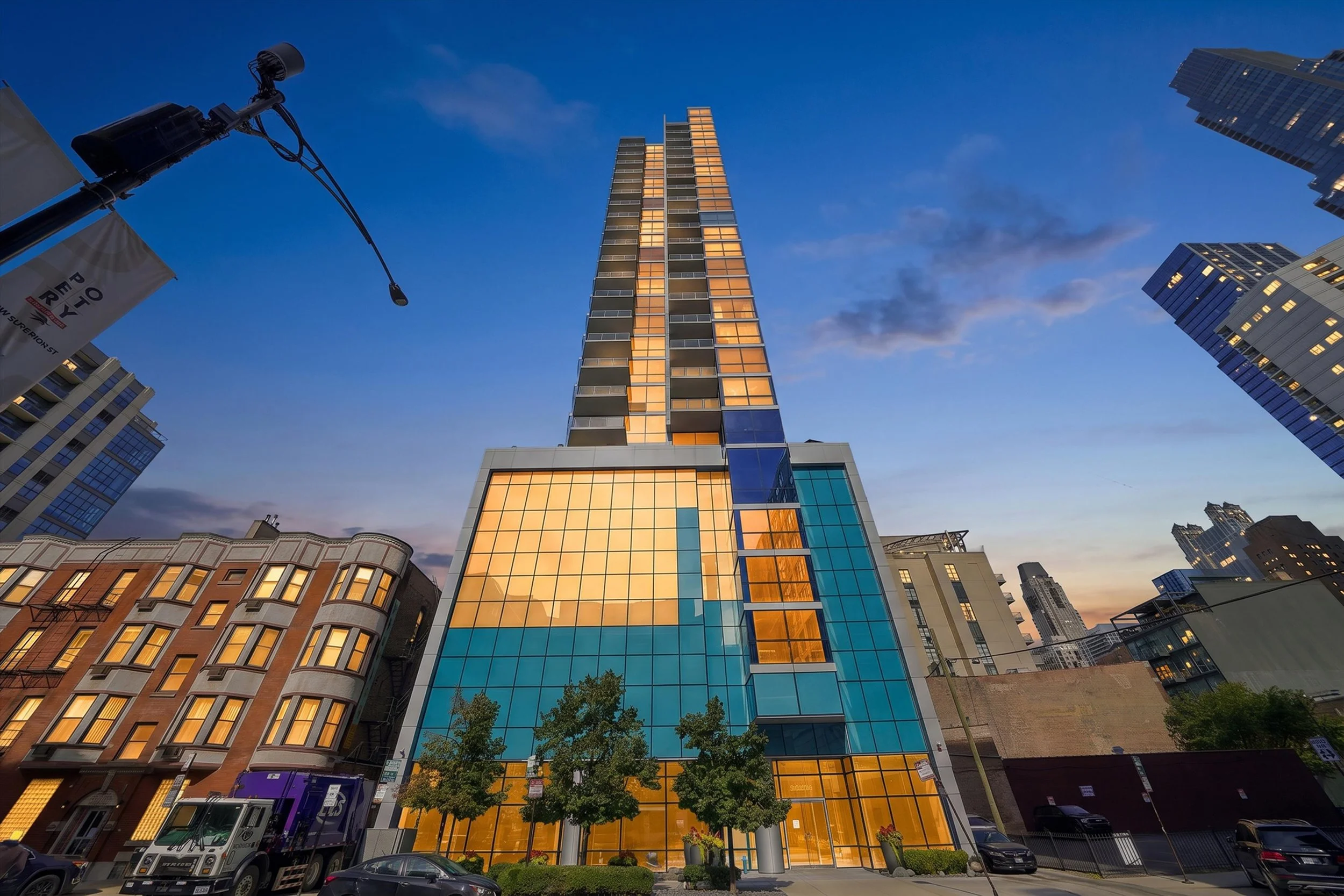
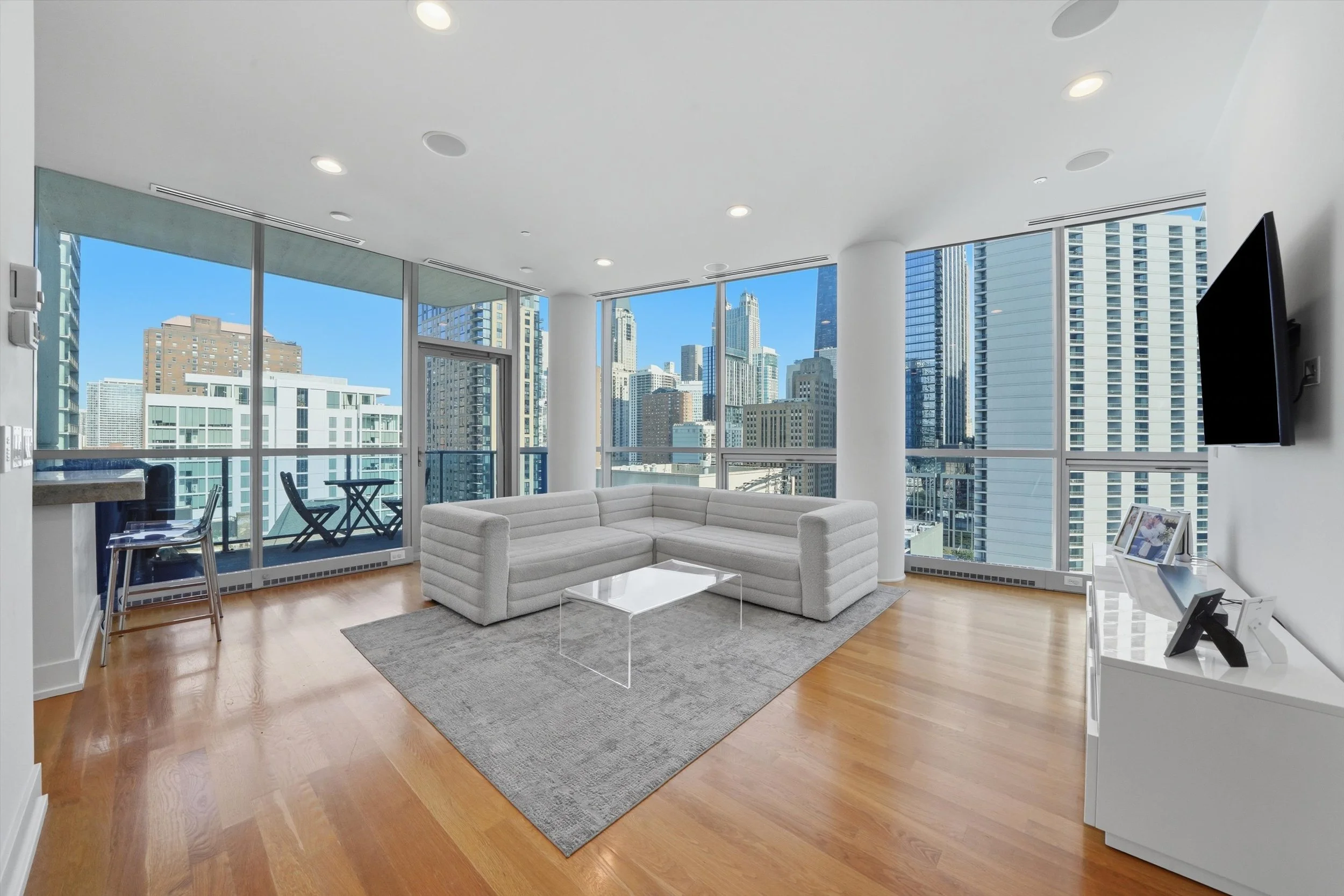
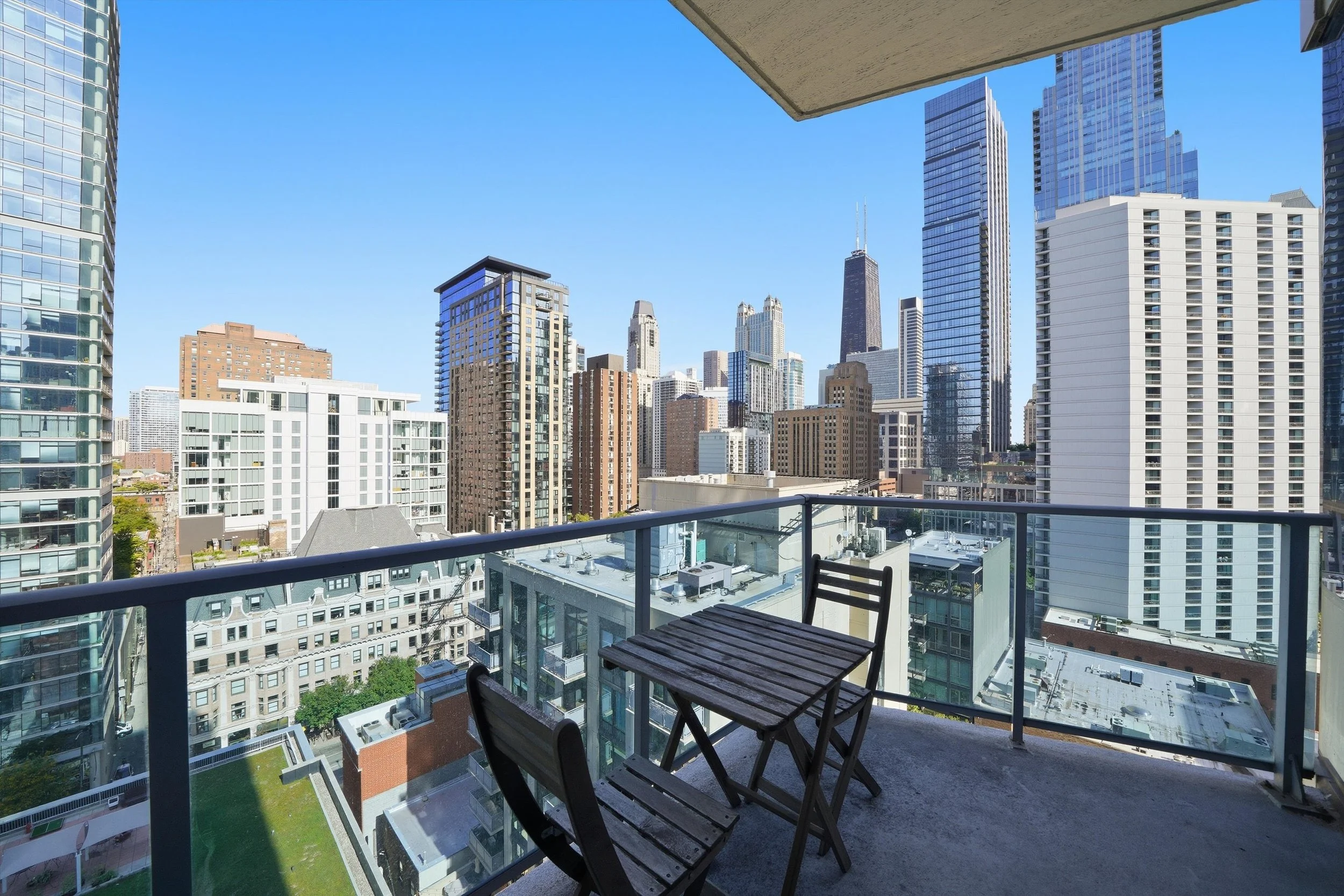
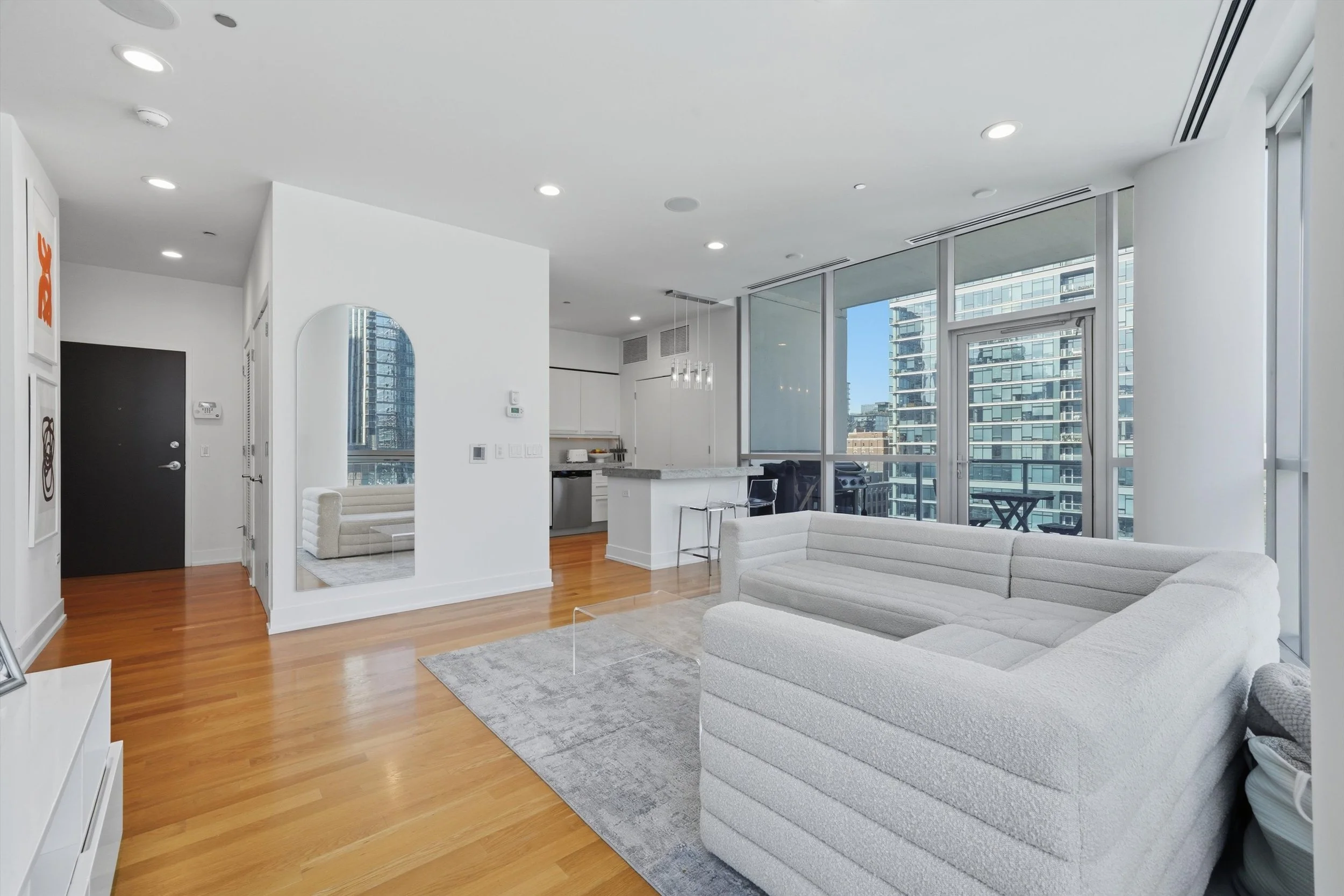
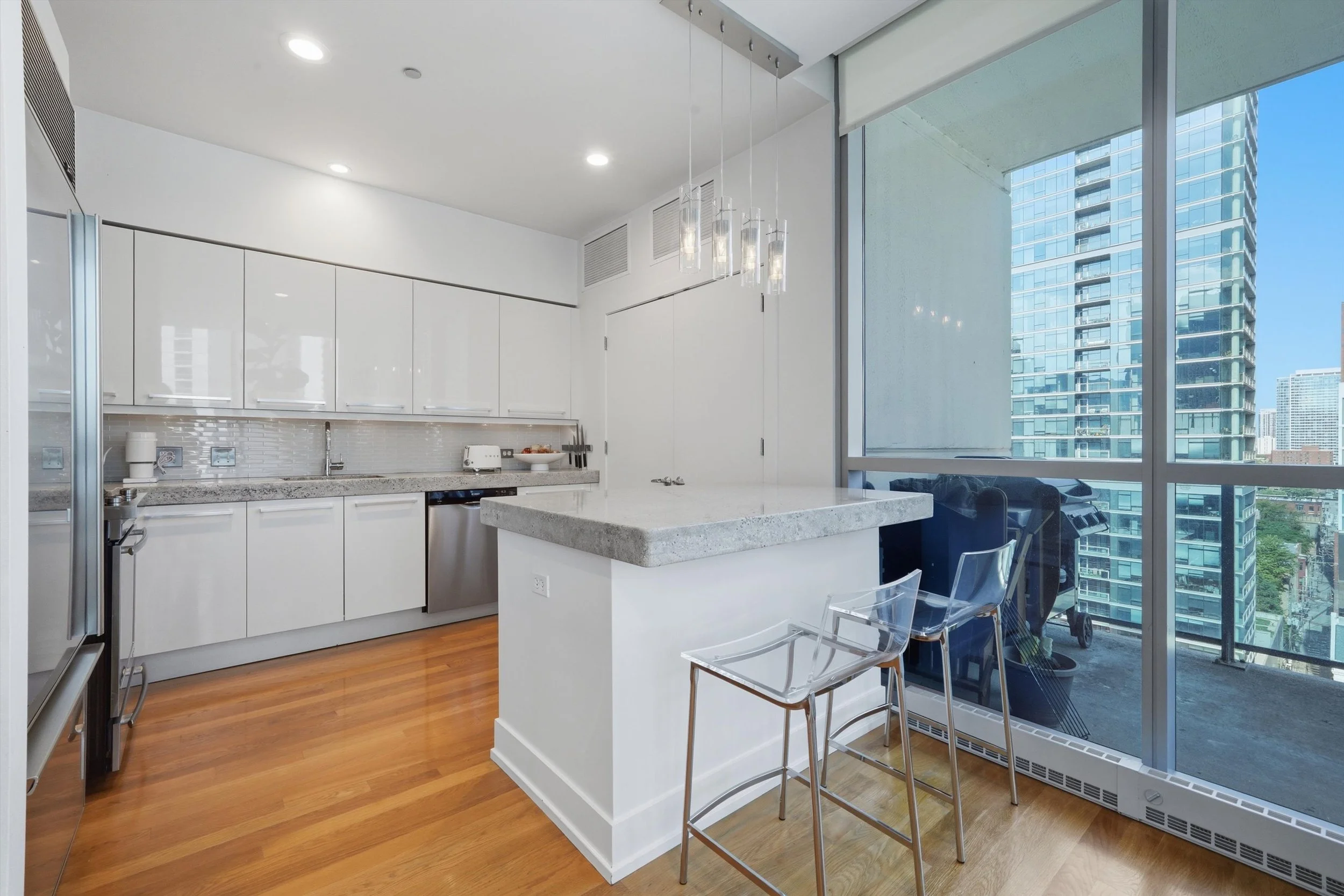
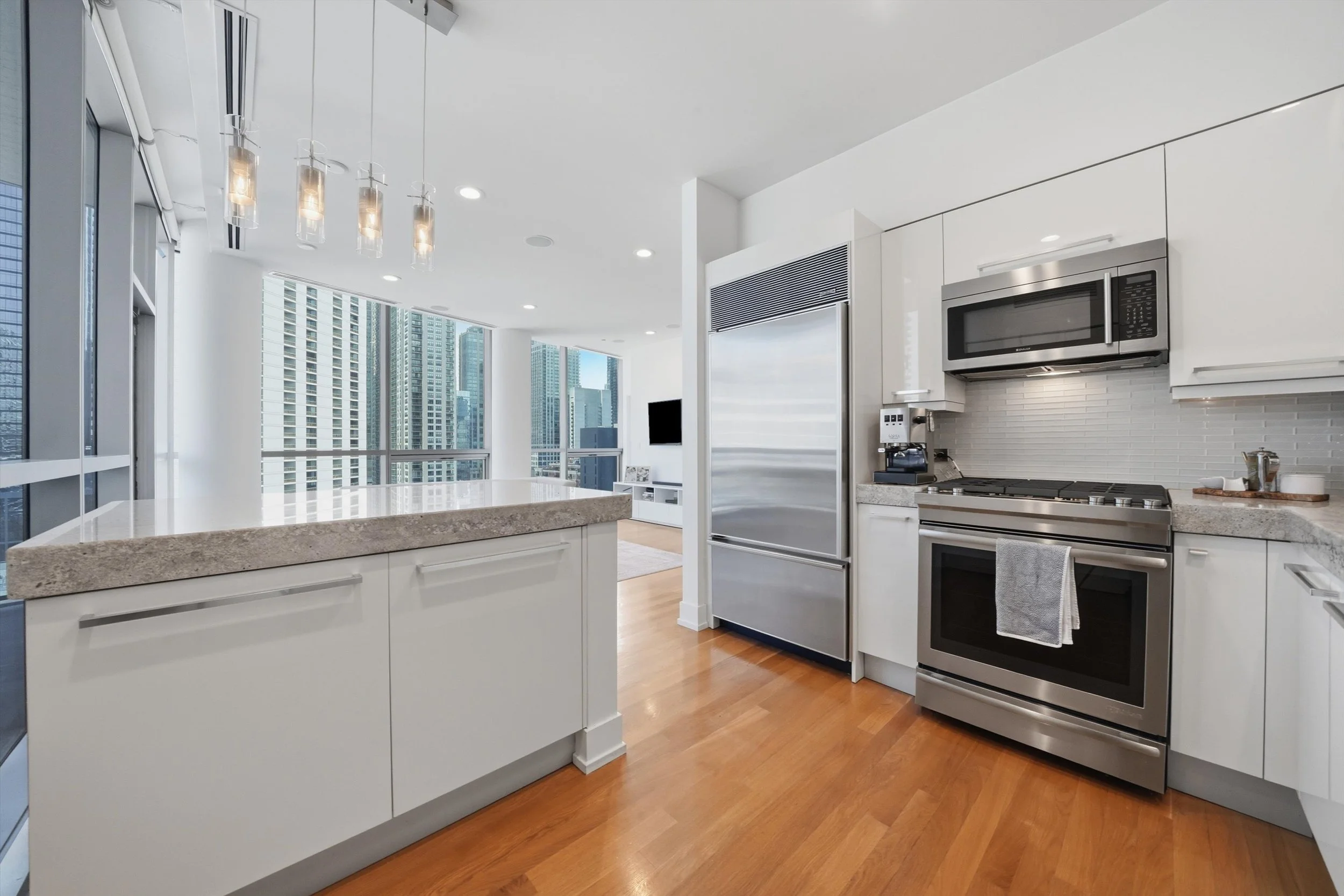
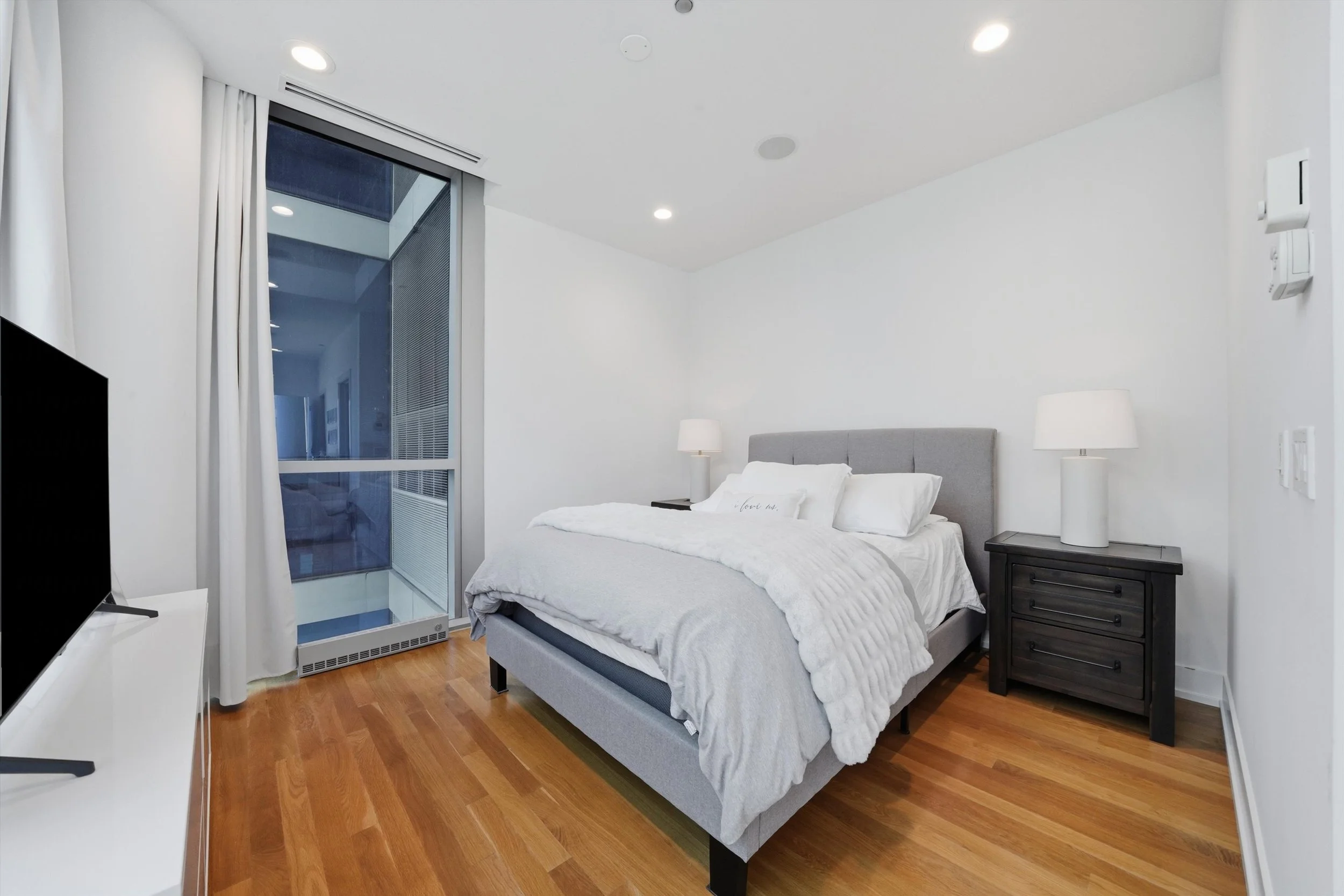
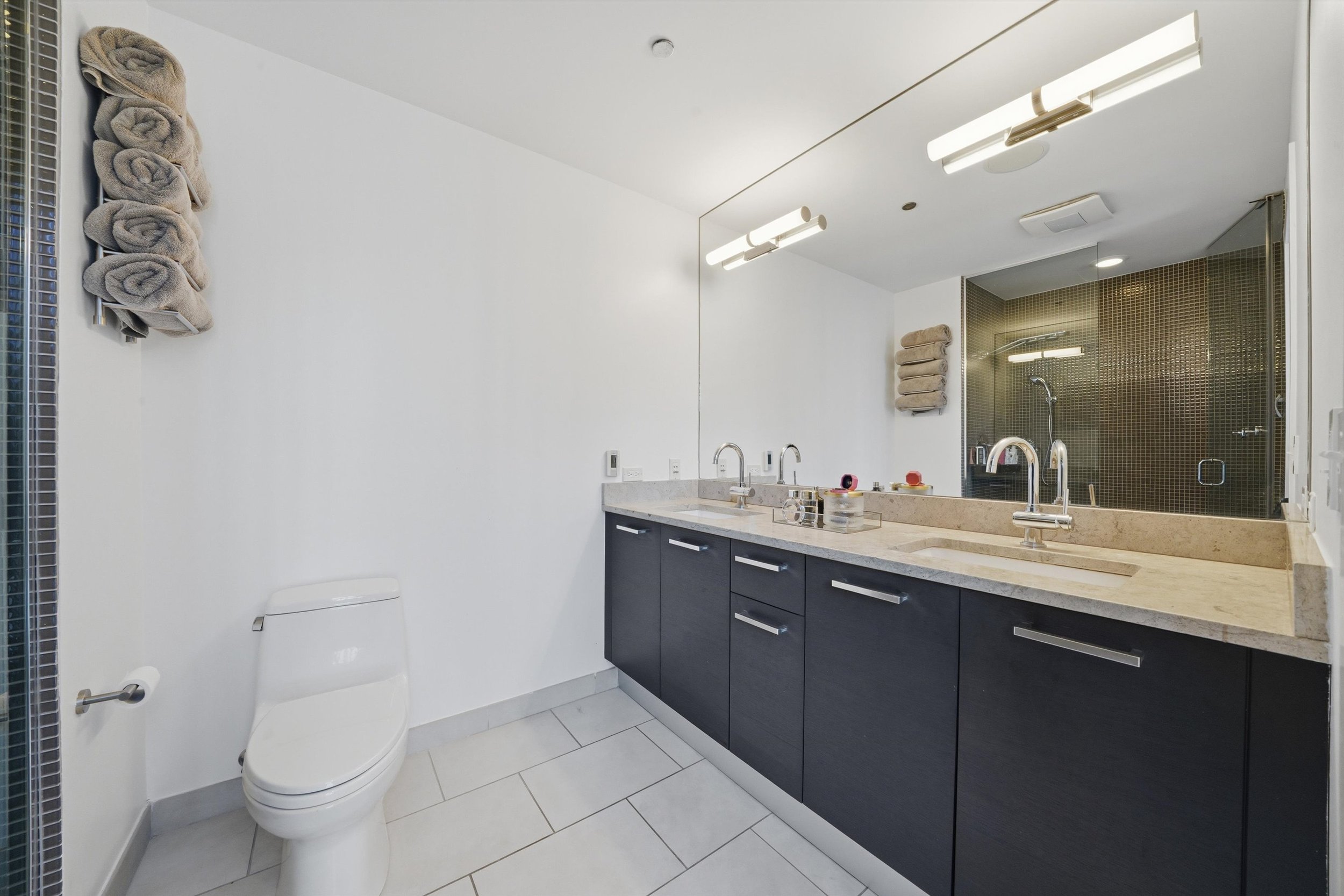

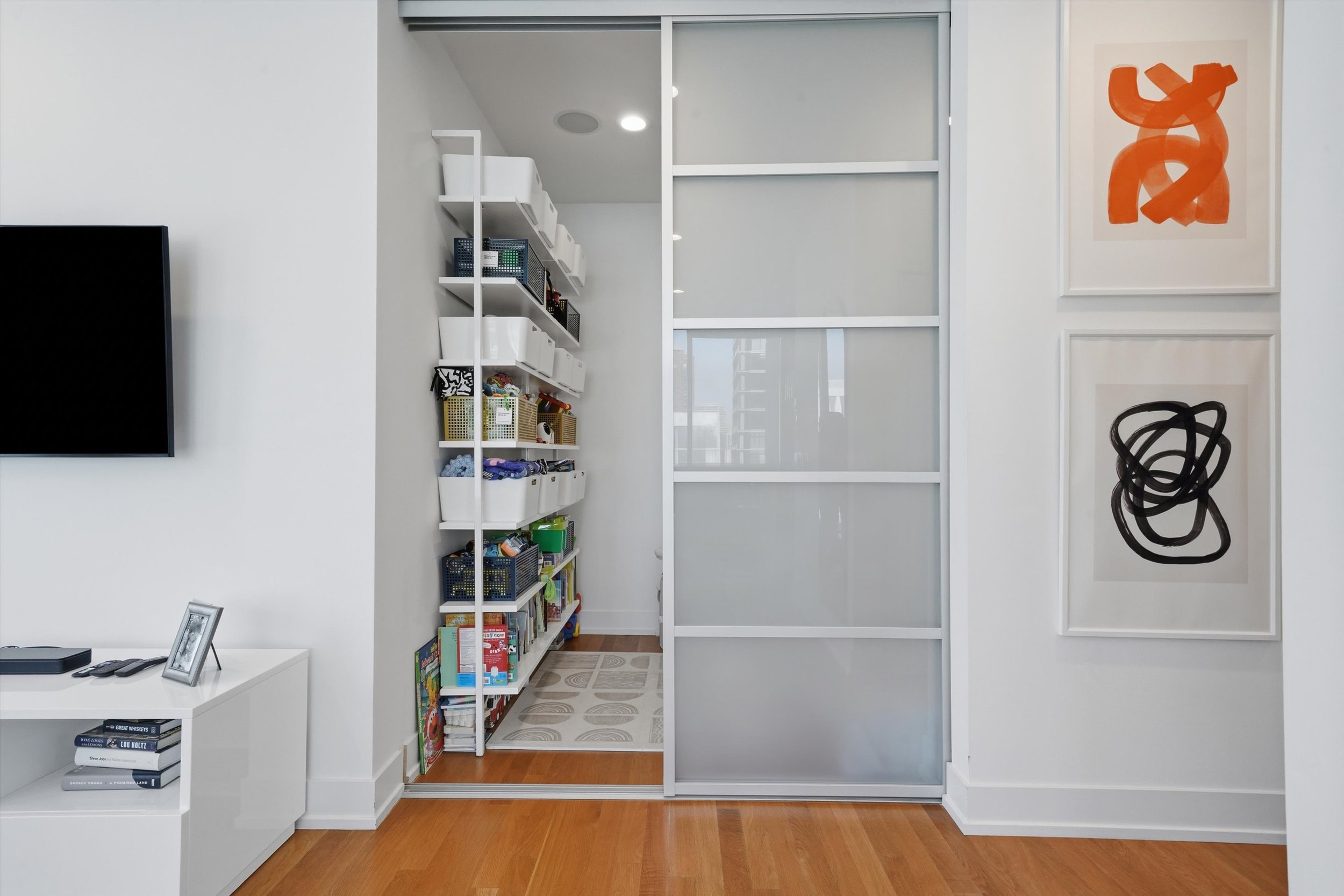
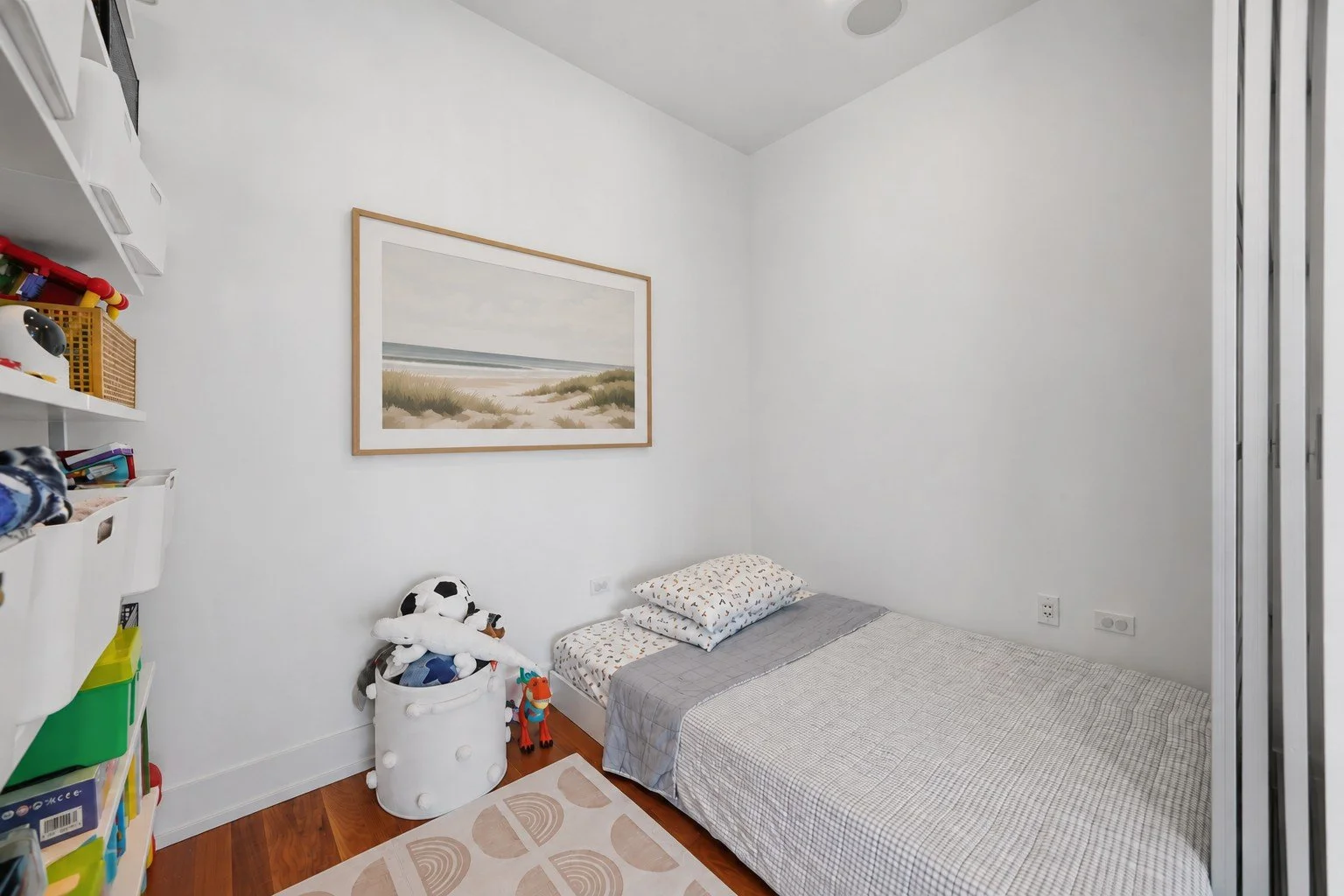
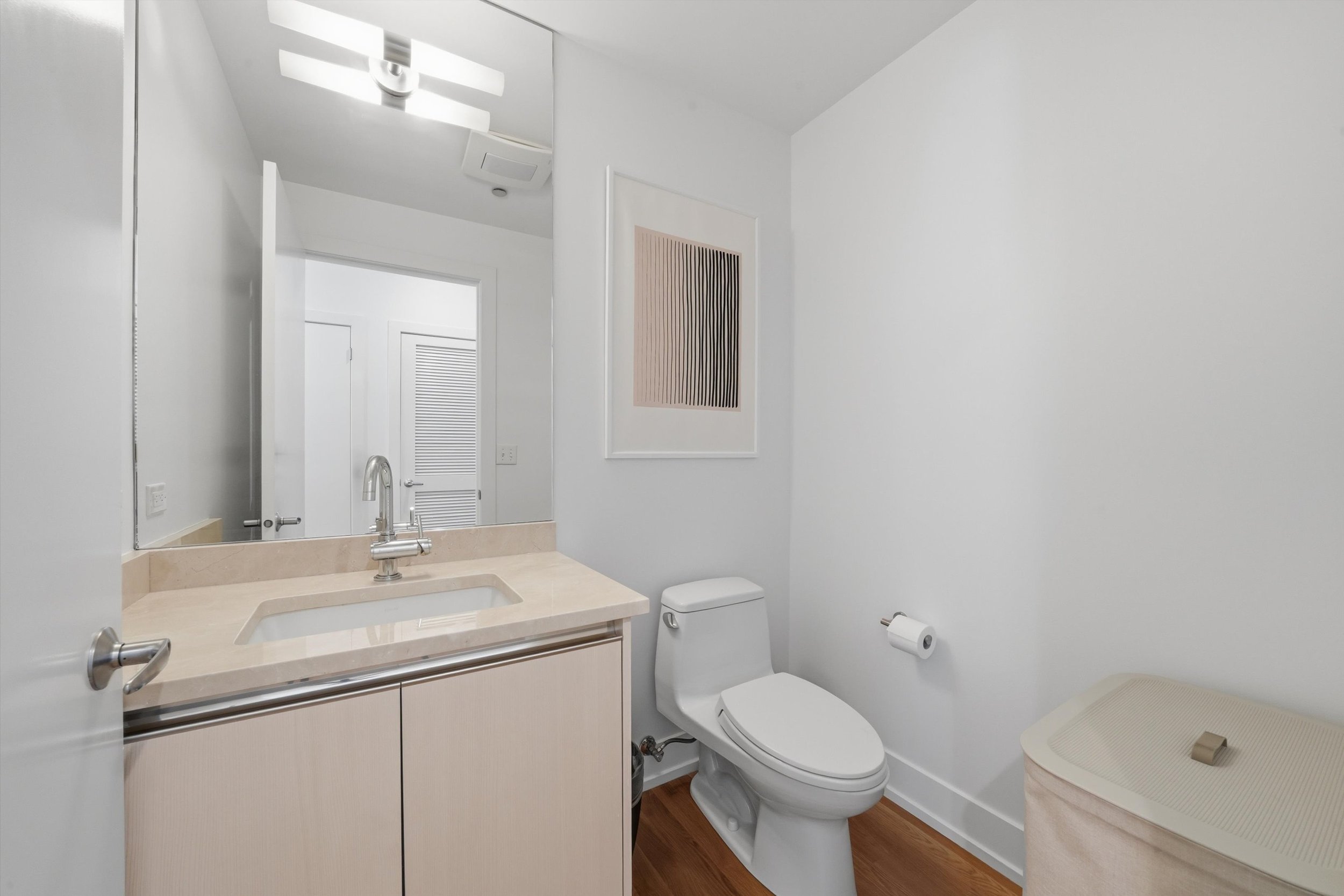
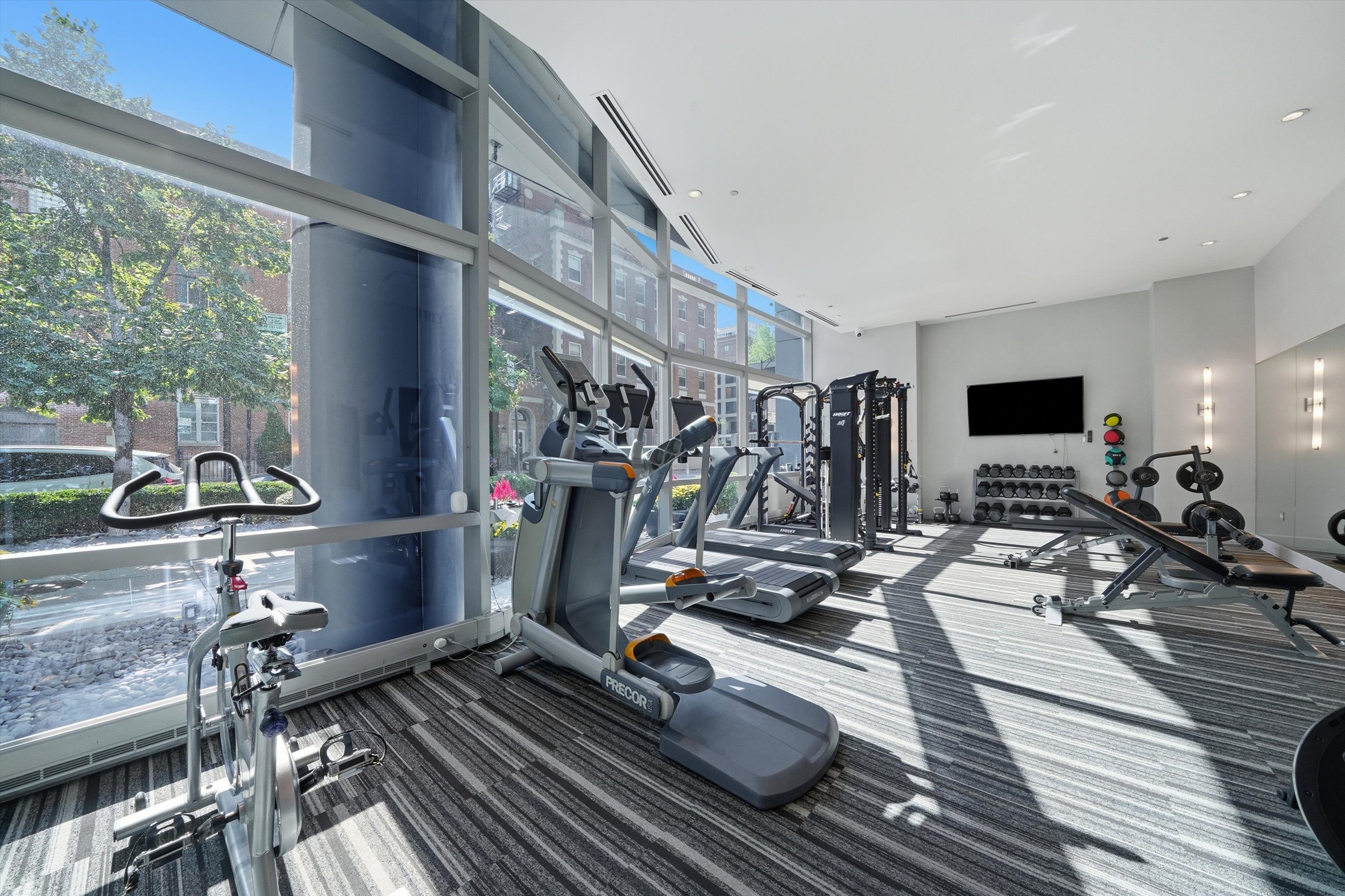
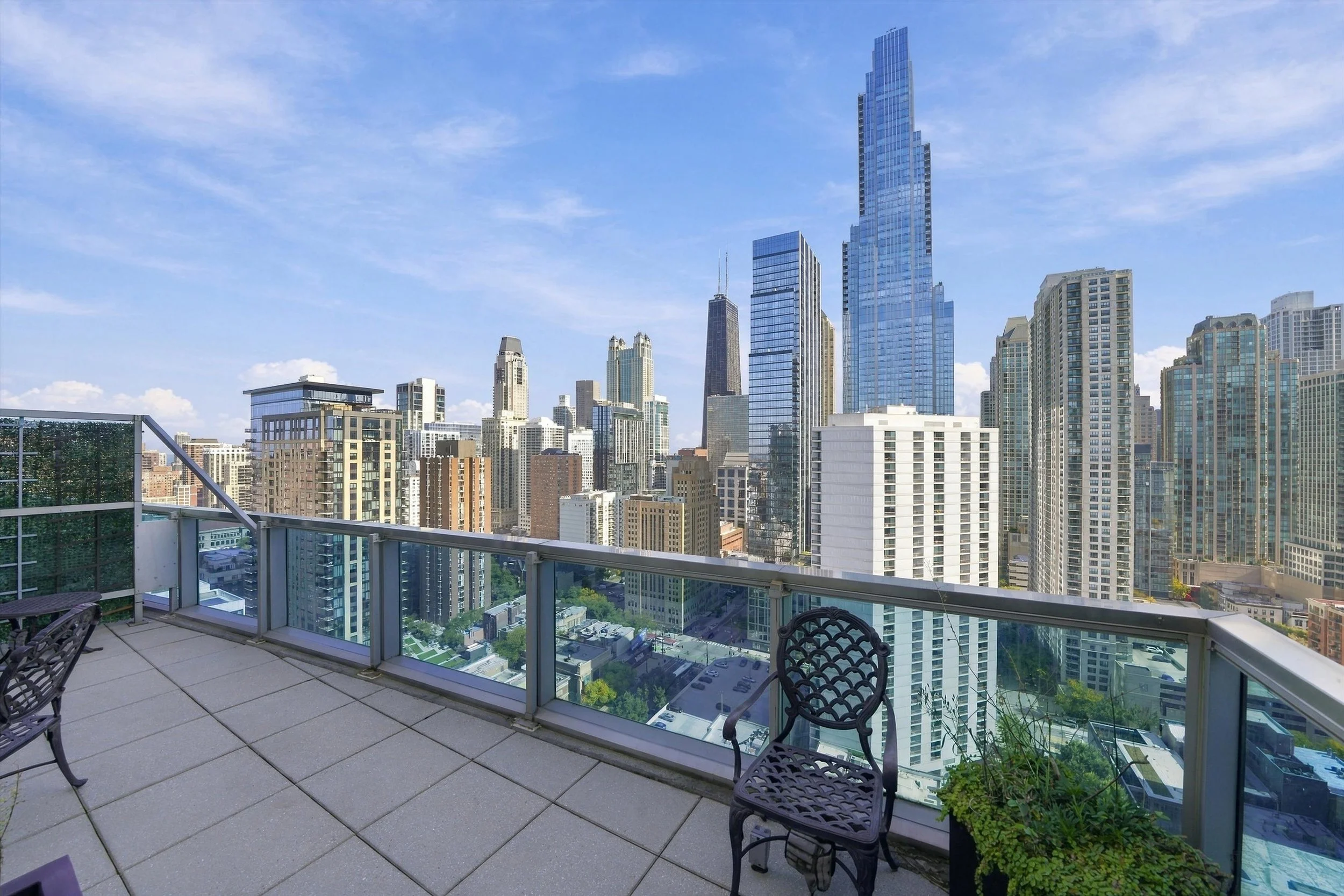
Our newest River North rental offers the convenience of downtown high-rise living with great views and a full suite of building amenities, with 1 bed plus den and 1.5 baths.
It’s a completely different lifestyle from our suburban listings this week, with restaurants, shopping, entertainment, and everyday conveniences right outside the door.
Best for: Someone looking for a full-amenity downtown rental with great views and the convenience of River North living.
Glenview: Updated Townhome Living at 3028 Lexington Lane
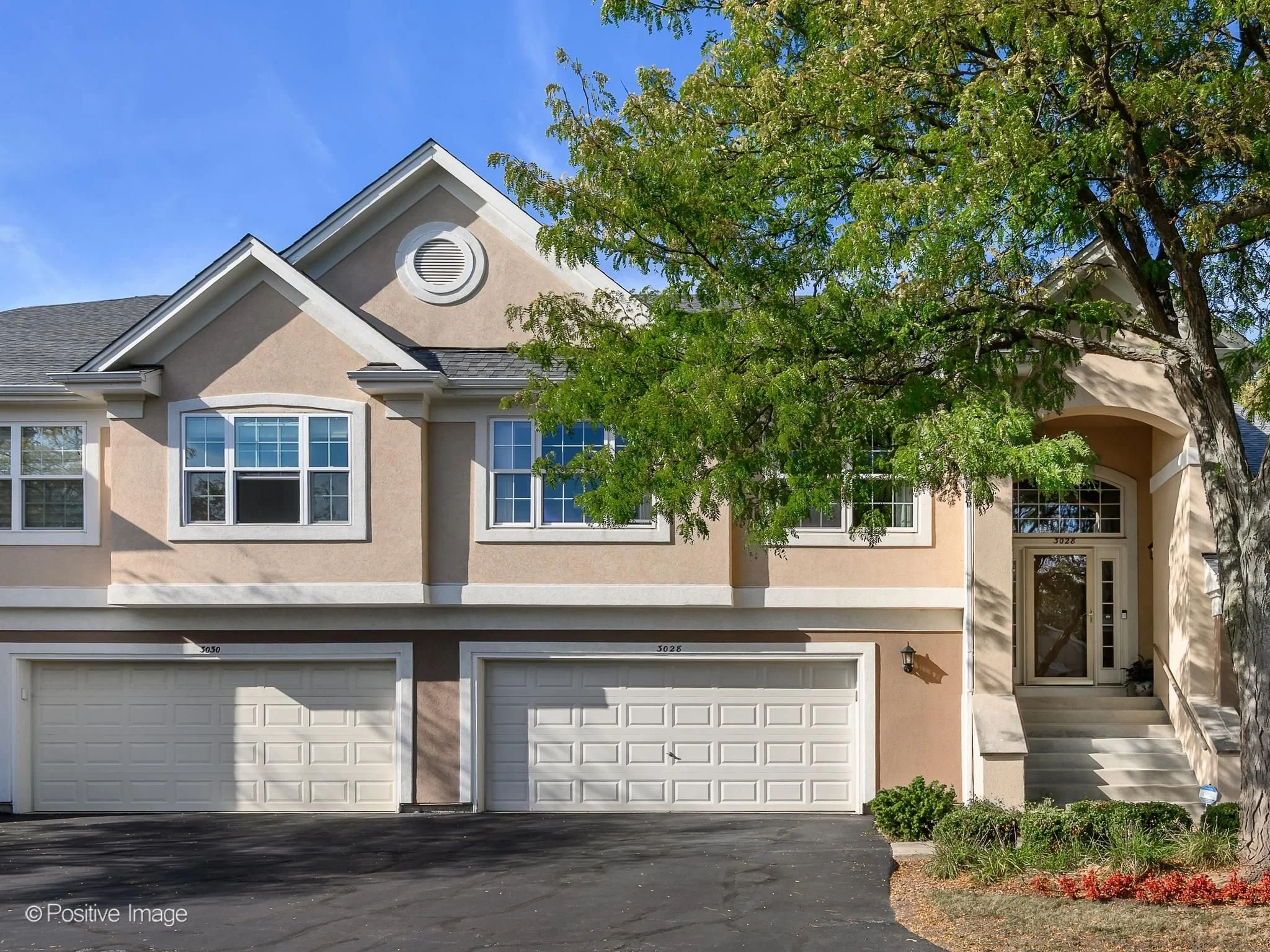





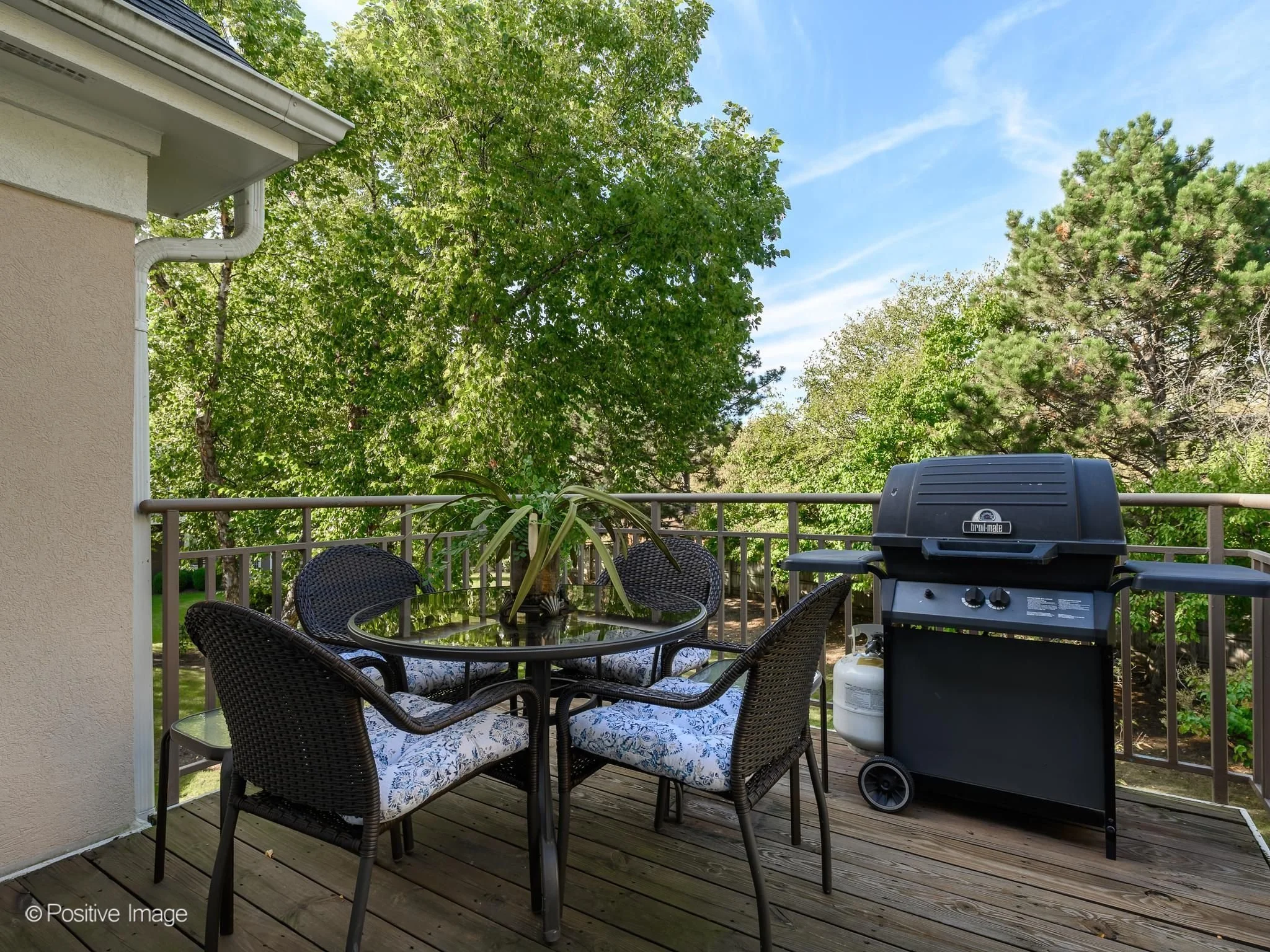







Next, we head north to Glenview, where 3028 Lexington offers approximately 1,900 square feet with 2 bedrooms plus a flexible den, dramatic ceiling height, skylights, an updated kitchen, and beautifully renovated baths.
The location adds another dimension. Residents have convenient access to The Glen, with its revamped shopping, dining, entertainment, and community amenities, along with nearby parks, recreation, and transportation.
It’s a strong example of why townhomes can appeal to buyers who want meaningful living space and flexibility with a more streamlined ownership experience.
Best for: Buyers looking for North Shore convenience, updated interiors, flexible space, and approximately 1,900 square feet without the upkeep of a traditional single-family home.
Orland Park: Nearly 5,000 Square Feet at 8103 Koehler Drive
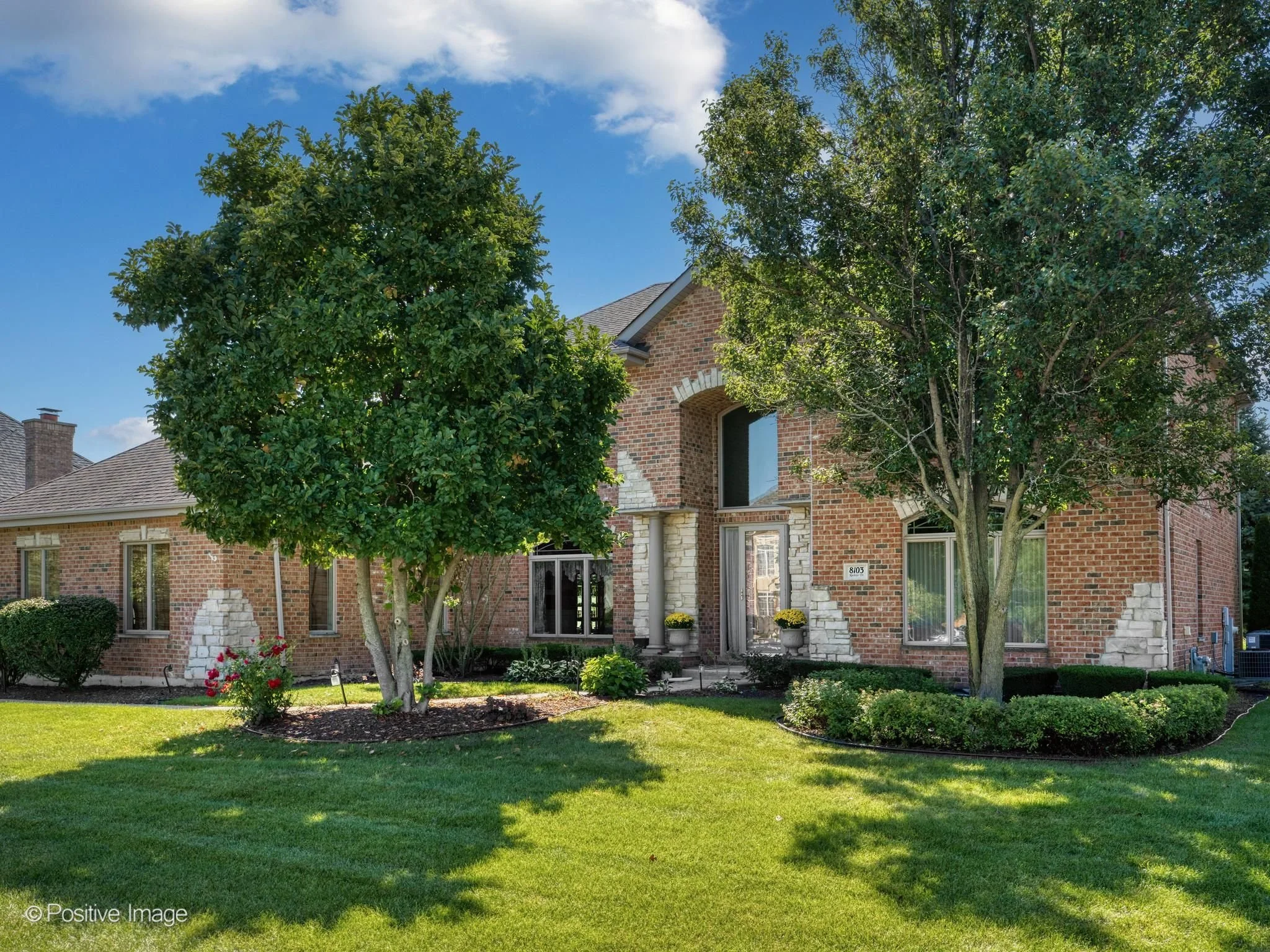
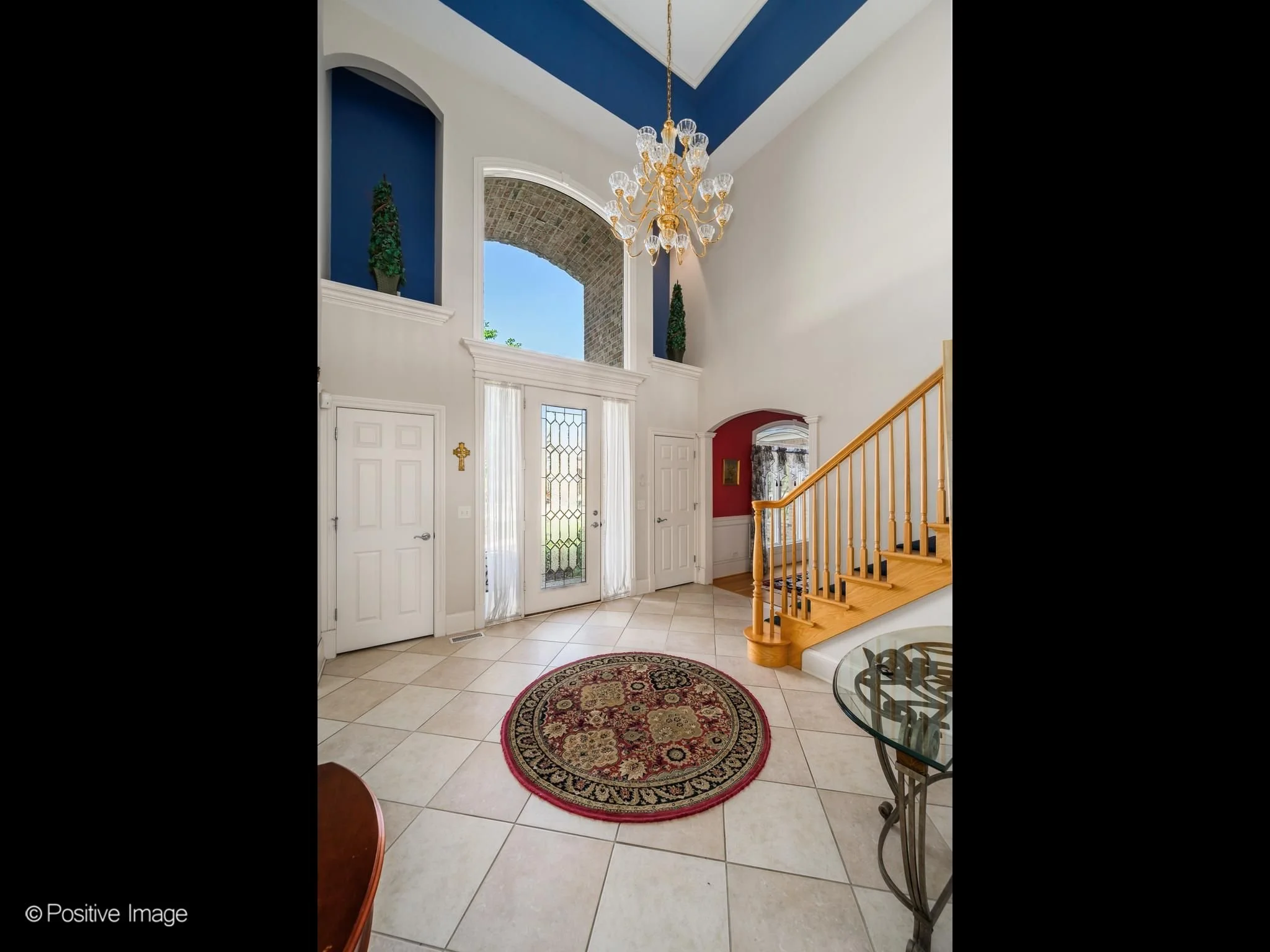
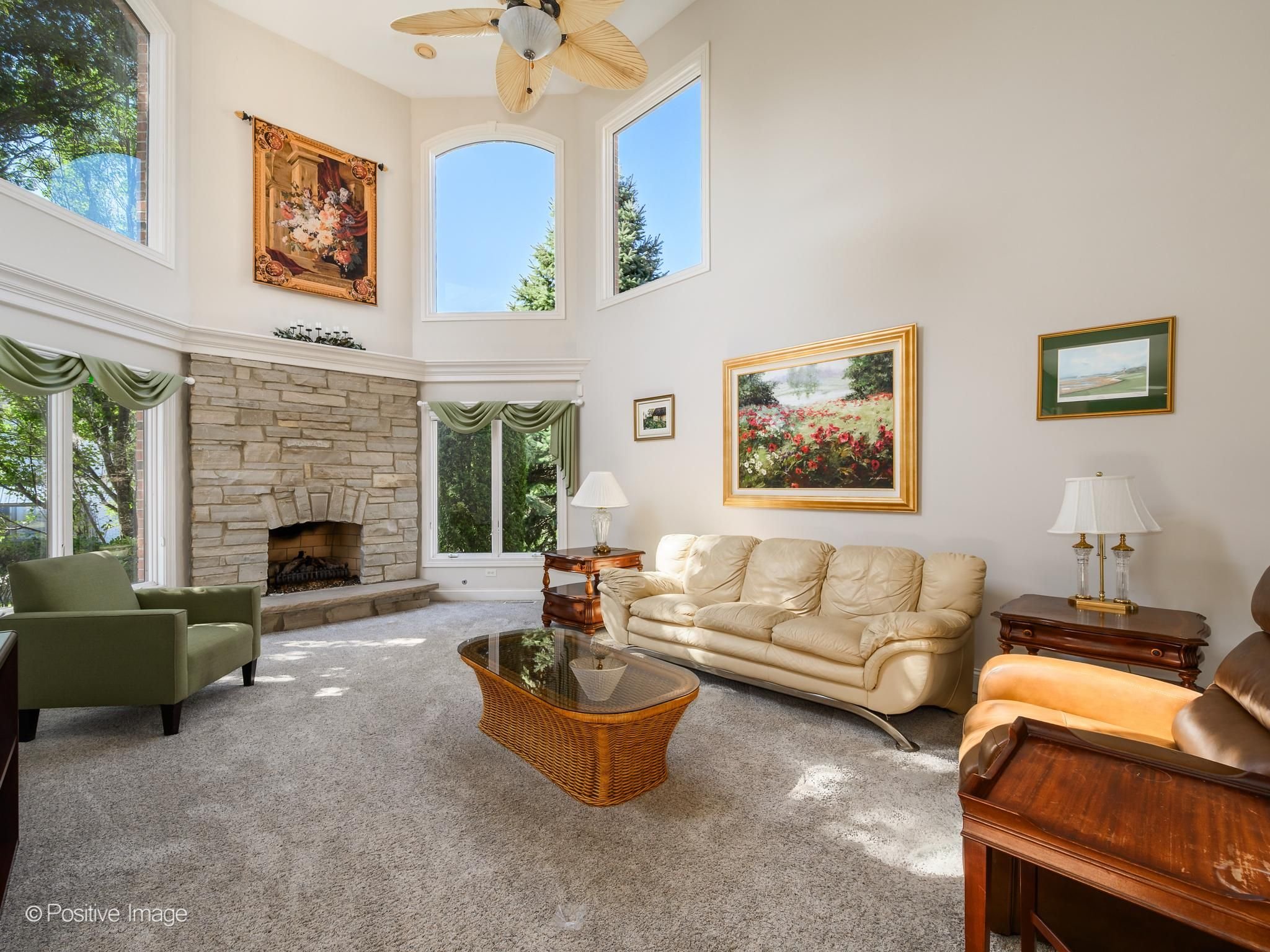

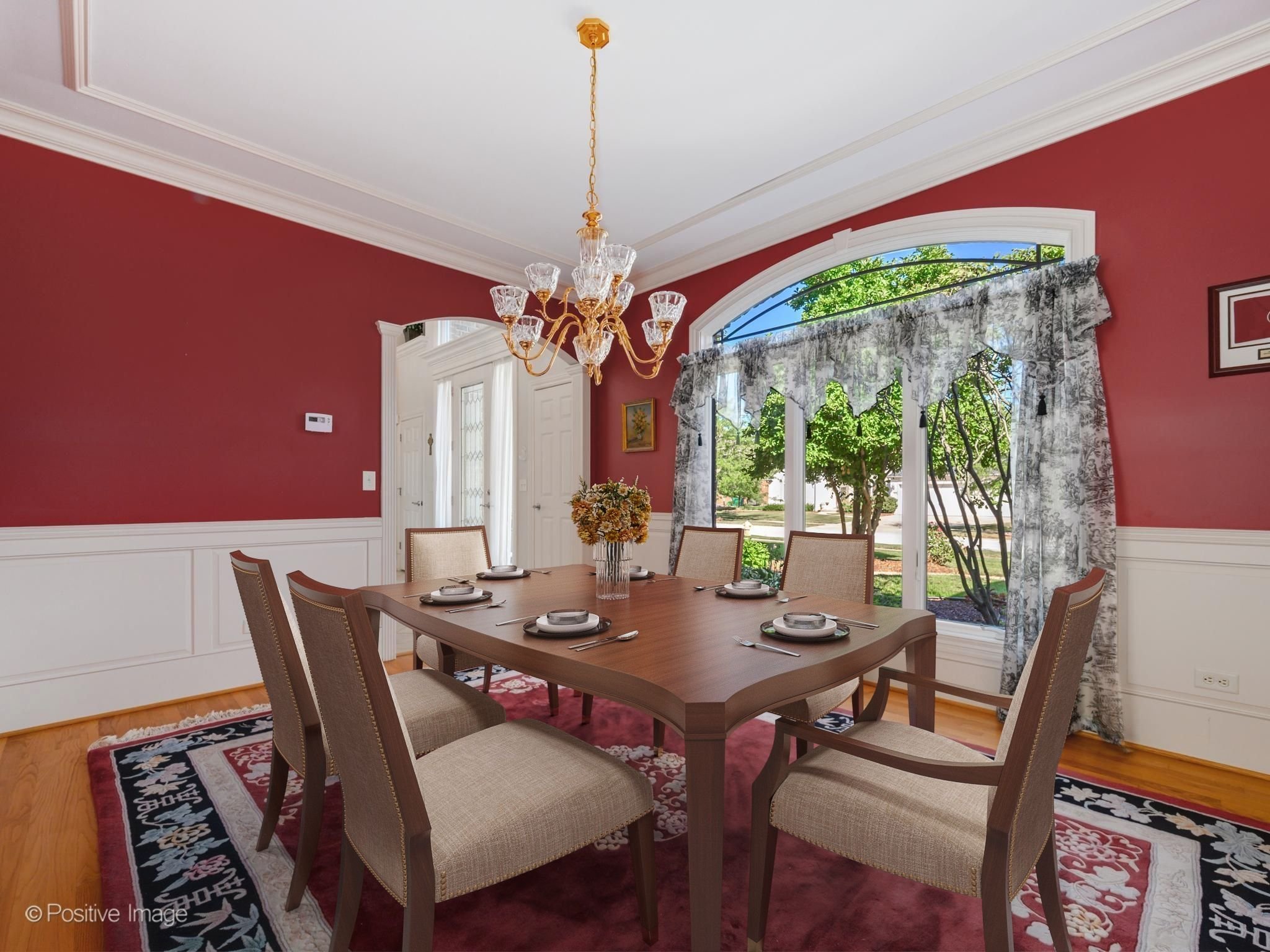
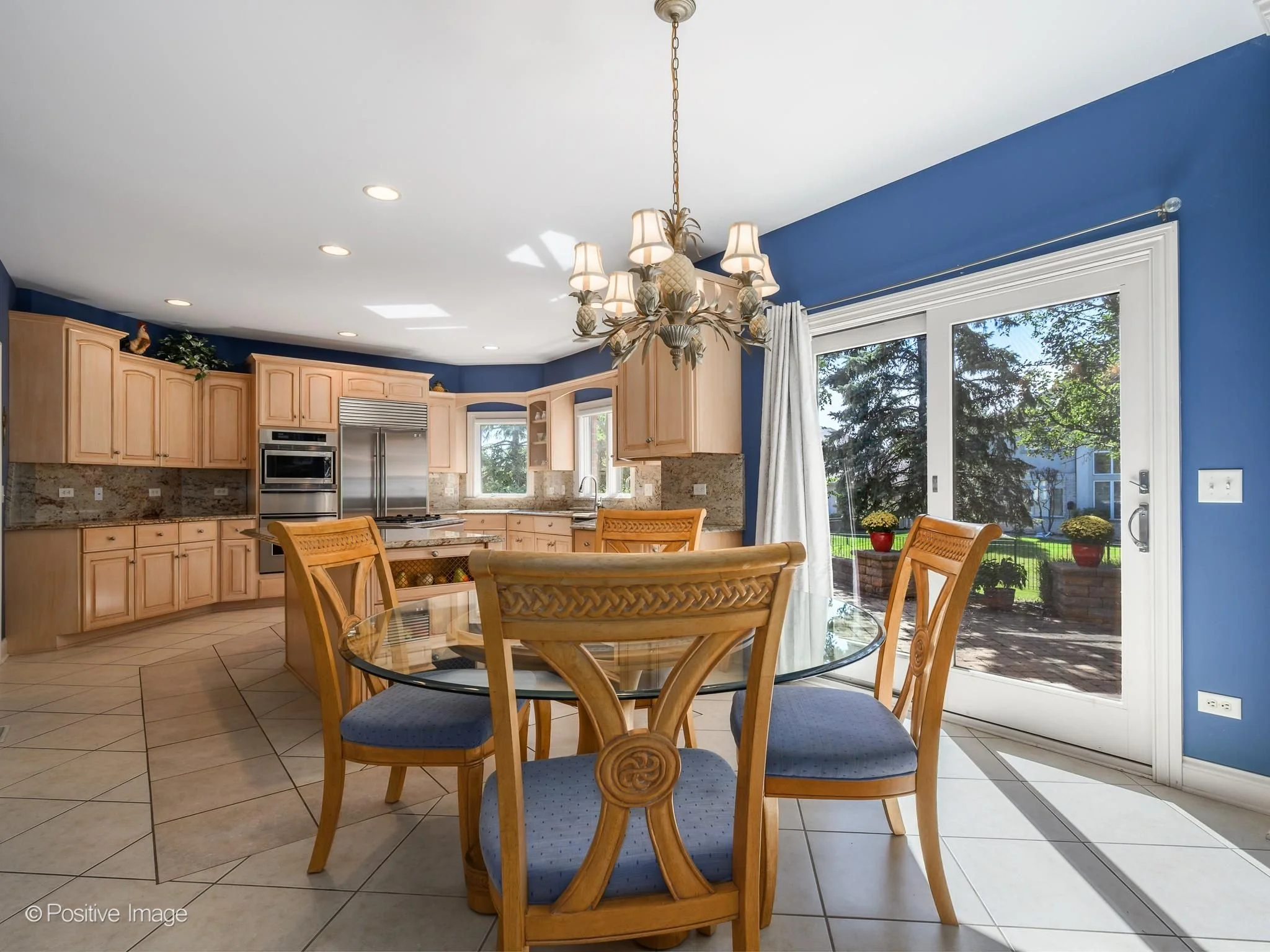
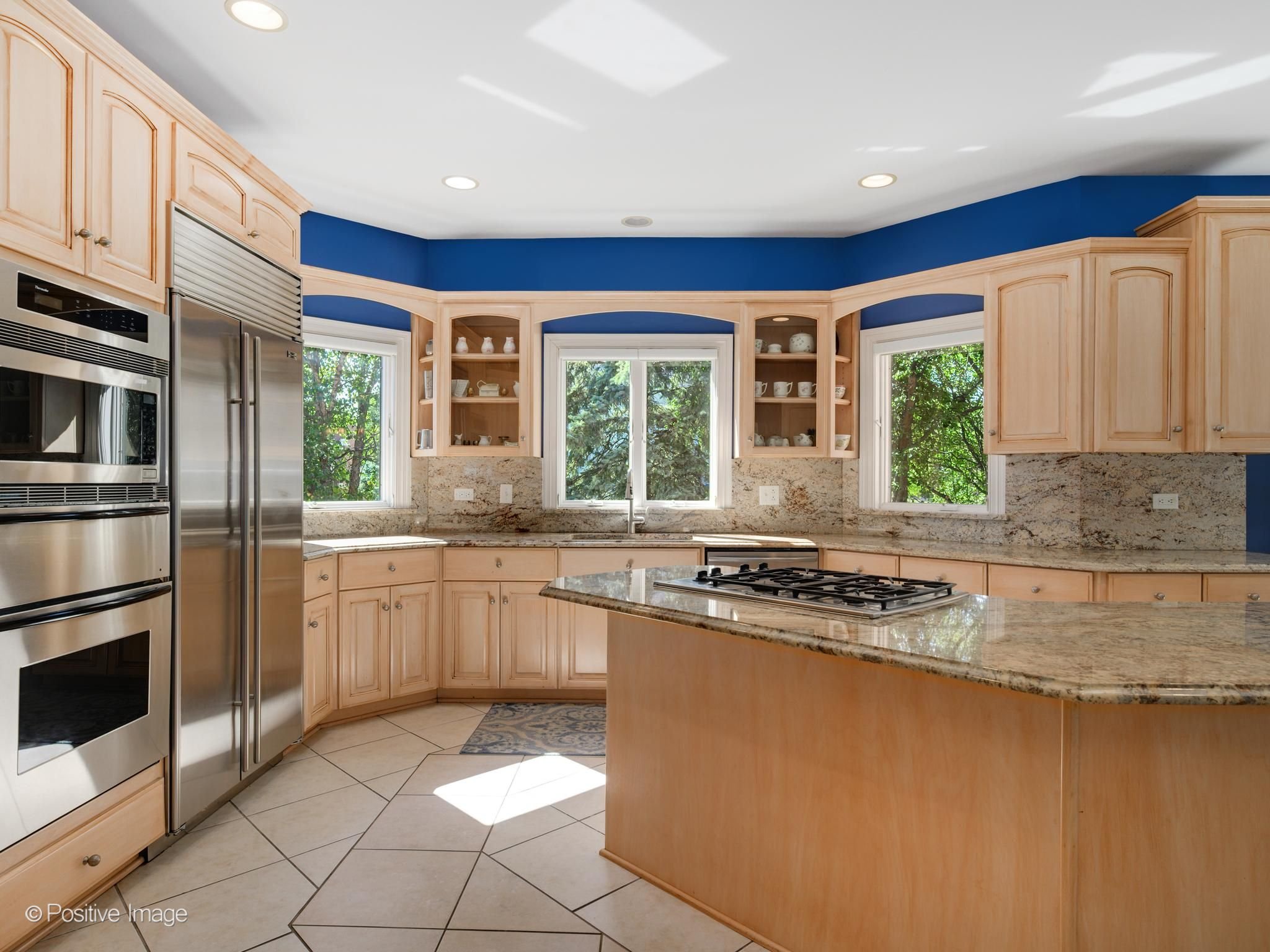
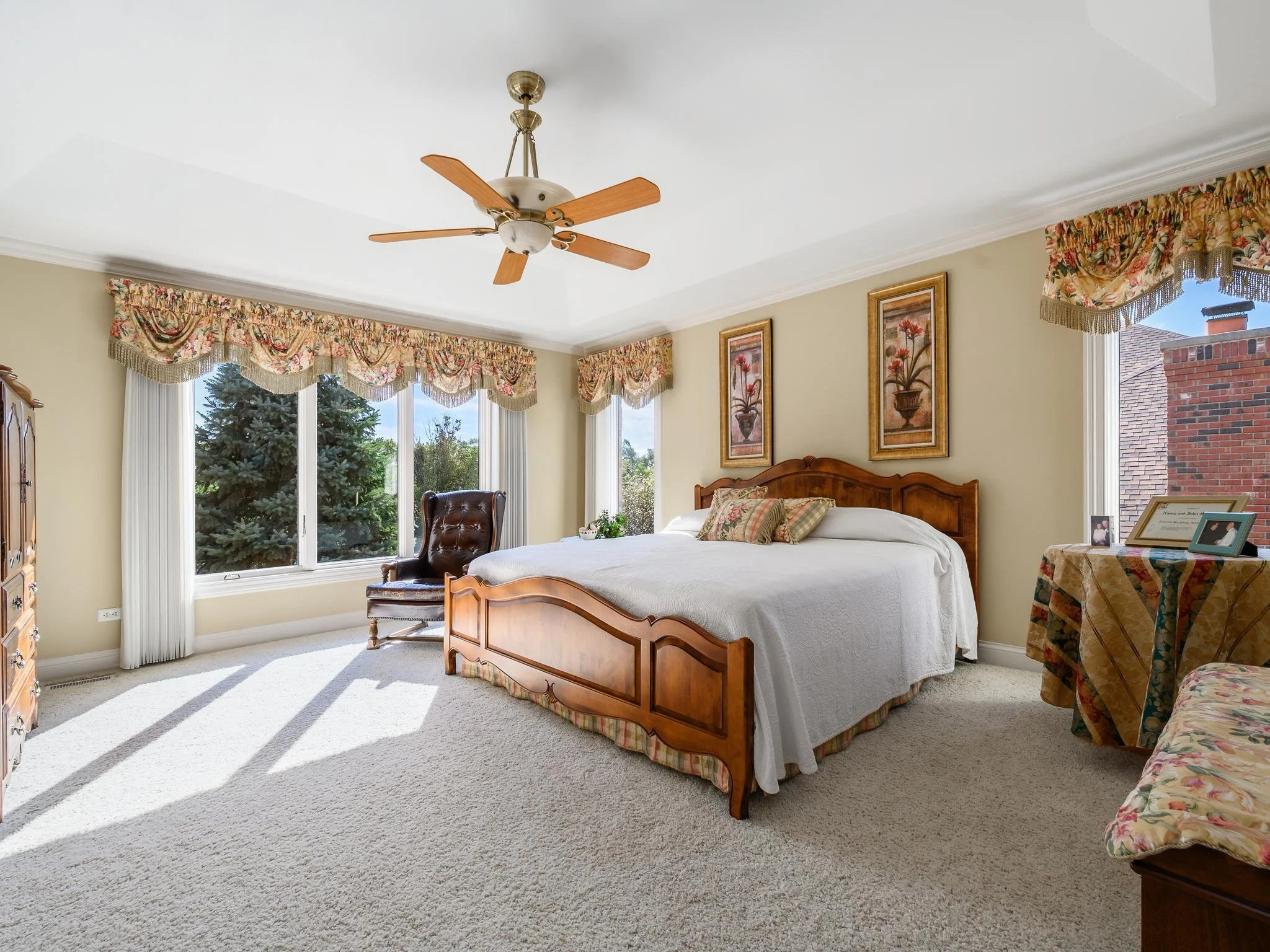

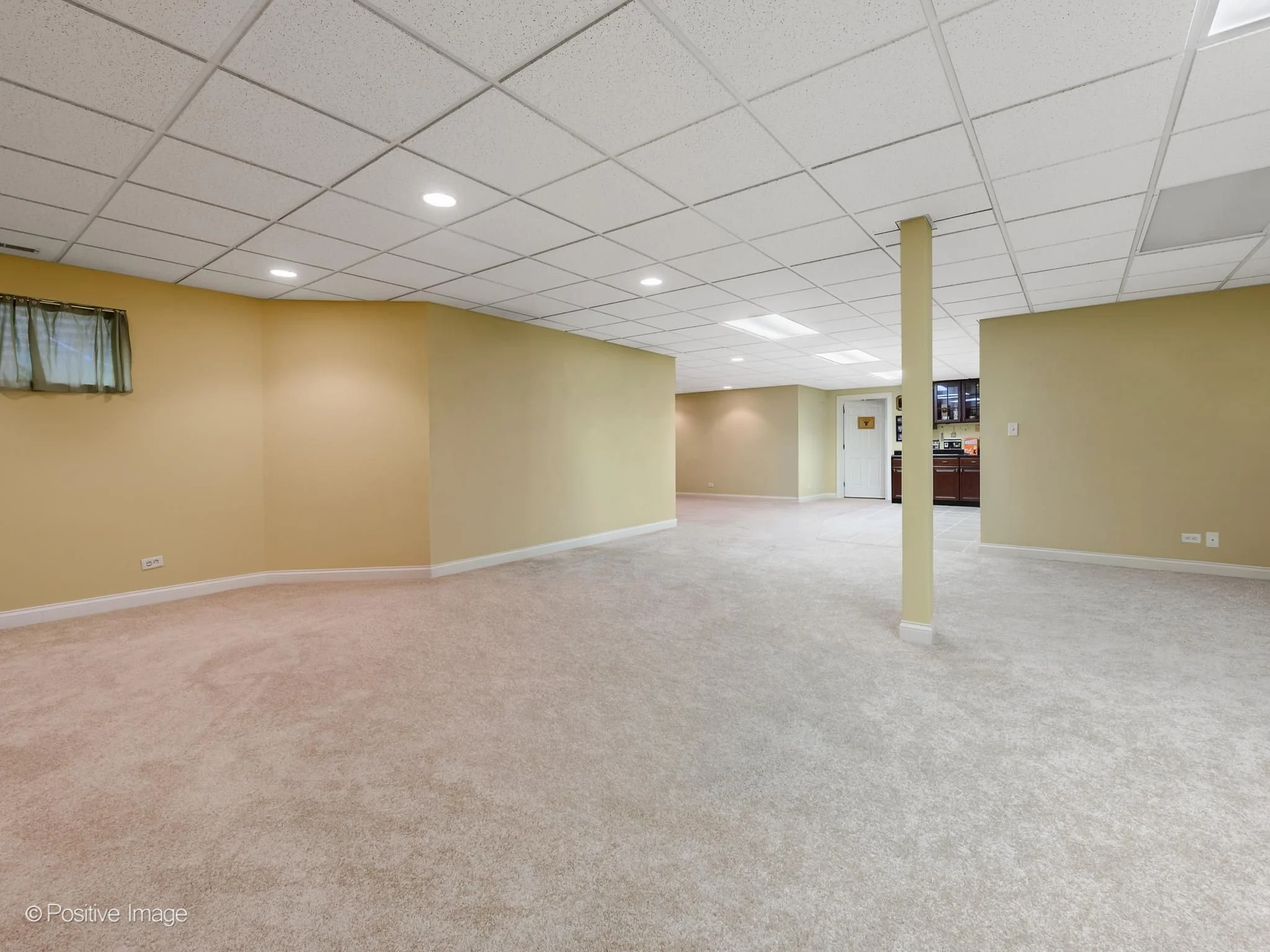
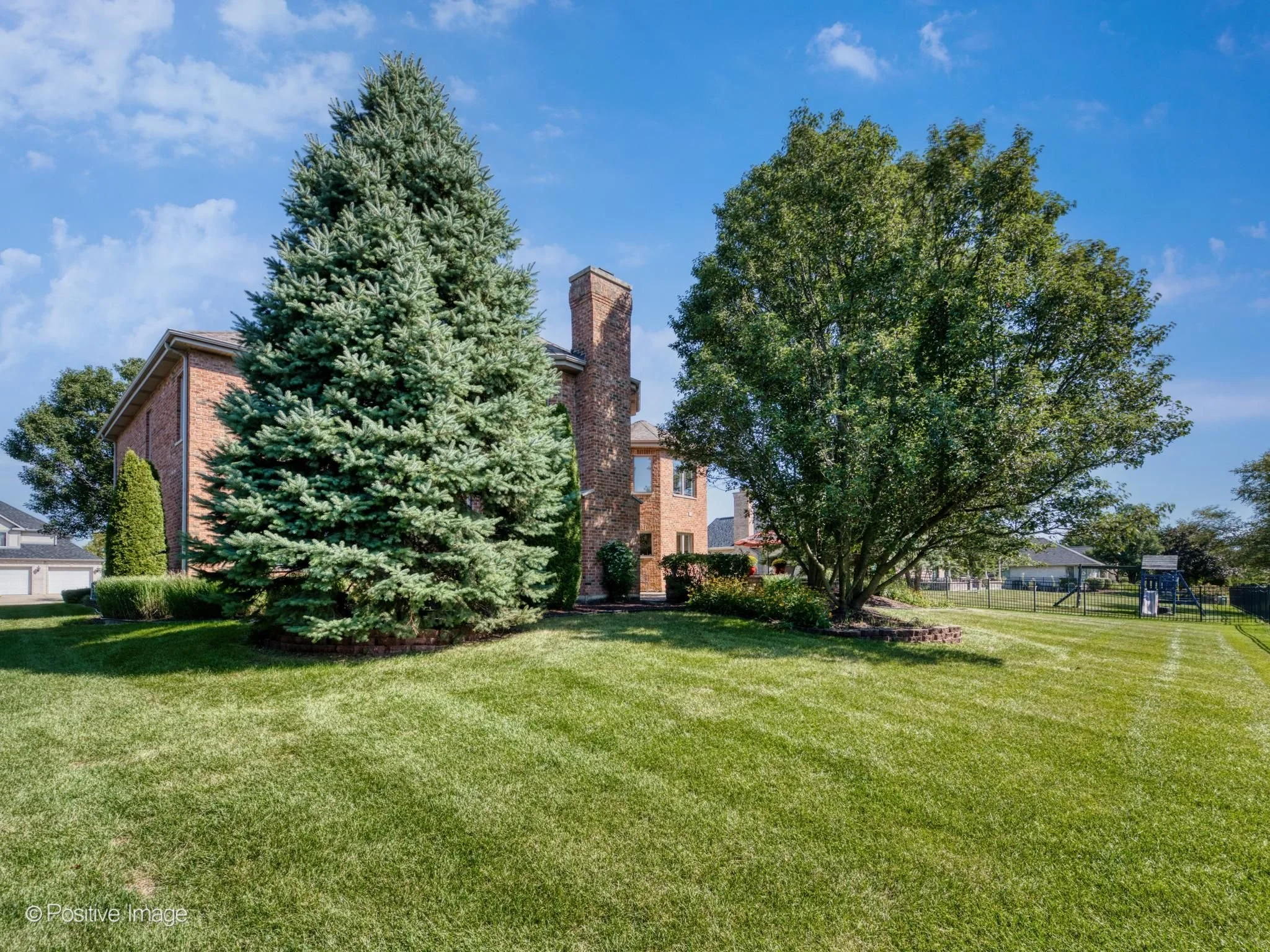

Head southwest and the lifestyle changes again.
8103 Koehler Drive in Orland Park is a former developer model home offering nearly 5,000 square feet of living space.
The scale alone makes this property stand apart from our city and North Shore offerings this week. Its former model-home pedigree also means the home was originally designed to showcase the community and its features.
For buyers looking for considerably more room, this is a reminder of how dramatically space and lifestyle can change as you explore different parts of Chicagoland. Did you know we have a Southwest Suburb Collective?
Best for: Buyers prioritizing substantial square footage, multiple living spaces, and a Southwest Suburban lifestyle.
West Bucktown: A Fully Renovated Three-Flat at 1637 N Richmond
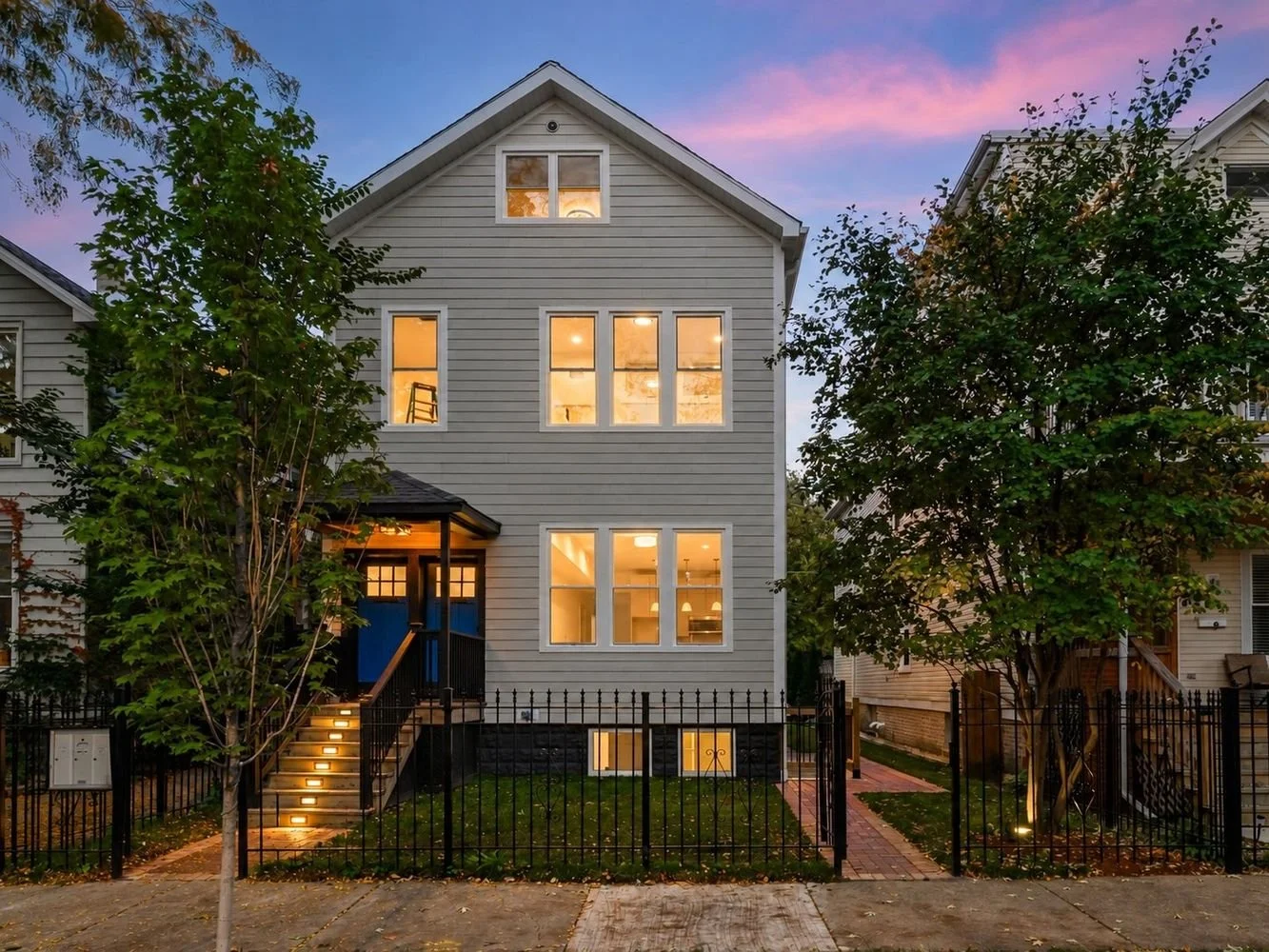

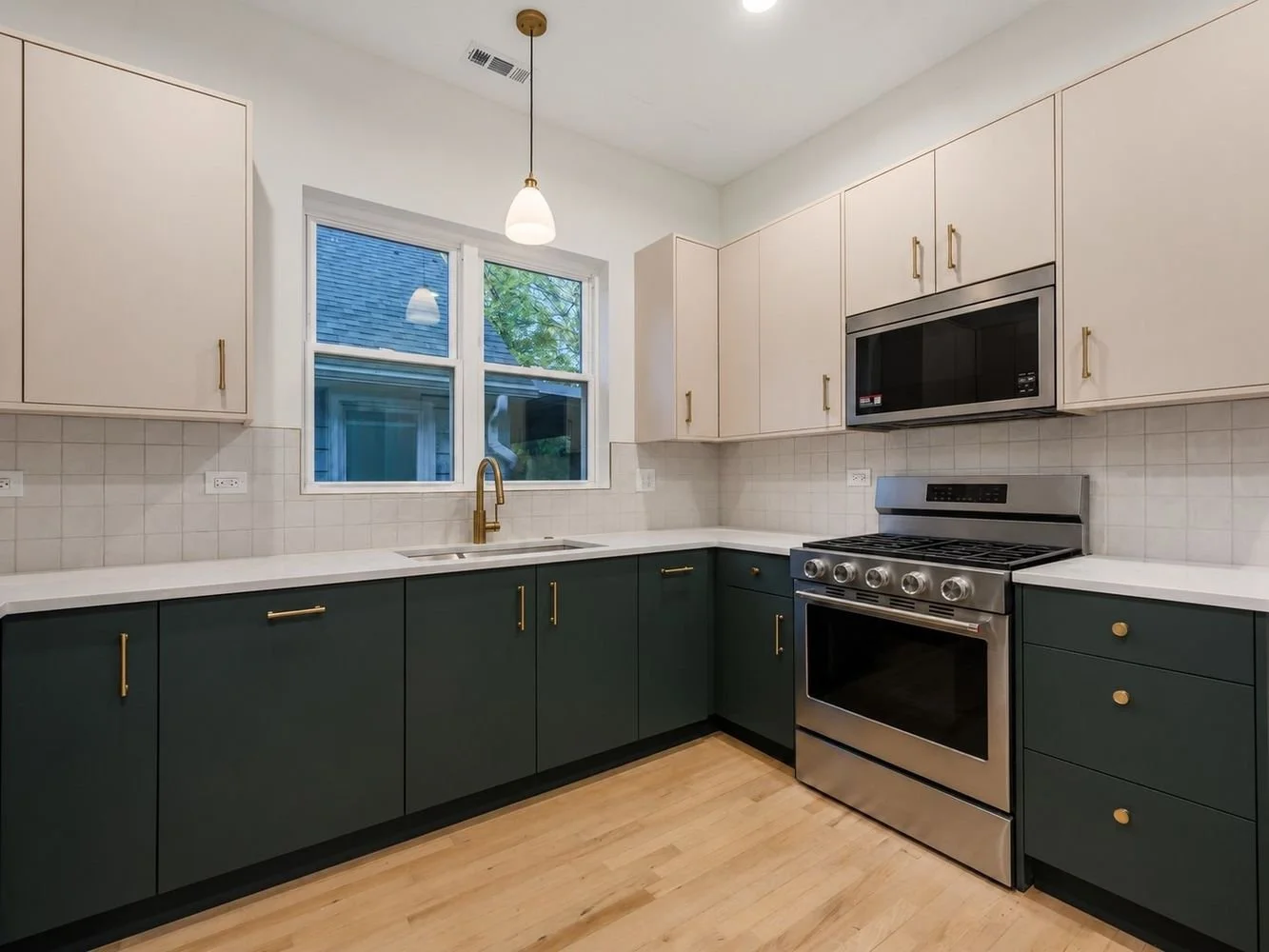

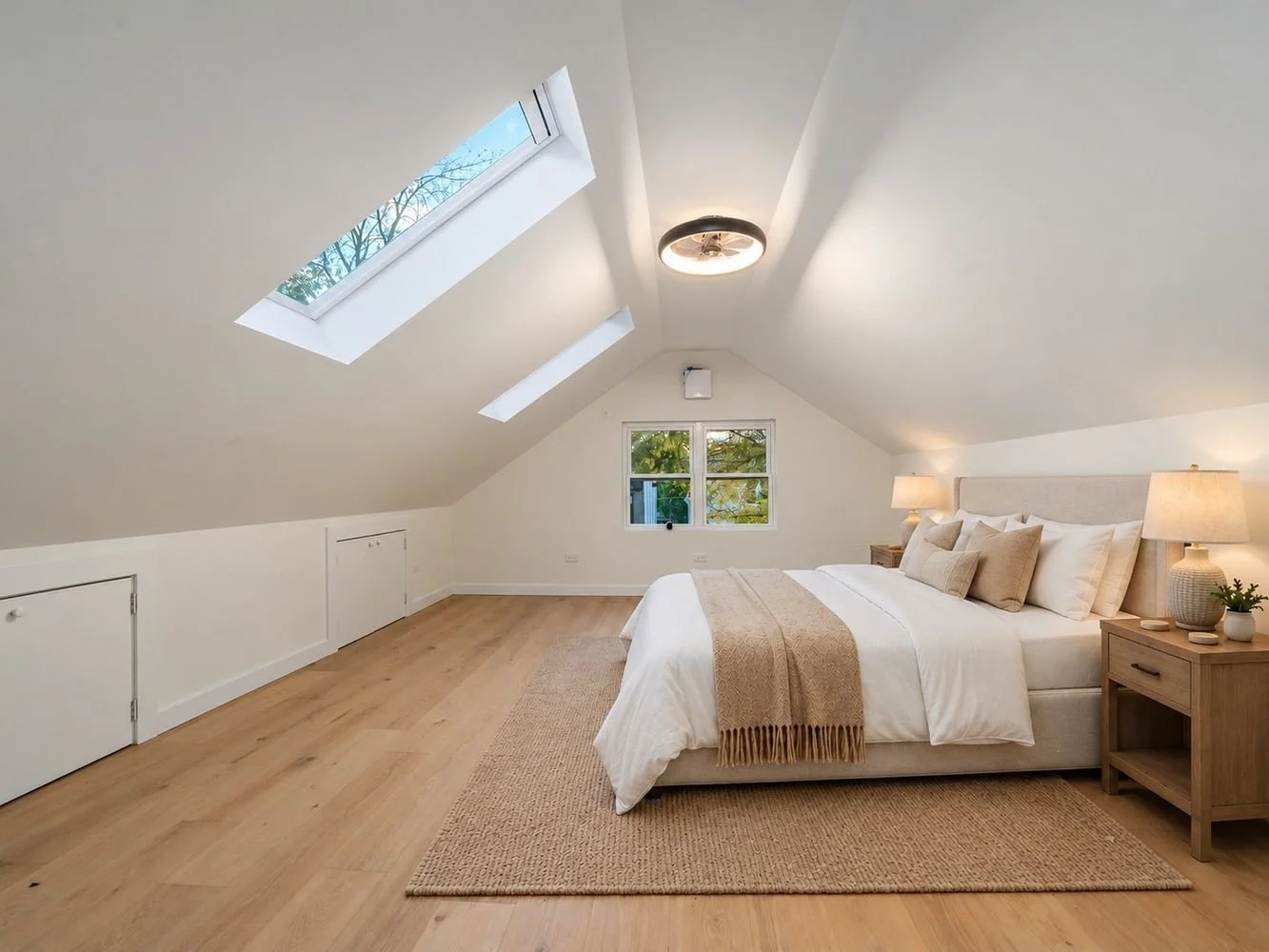
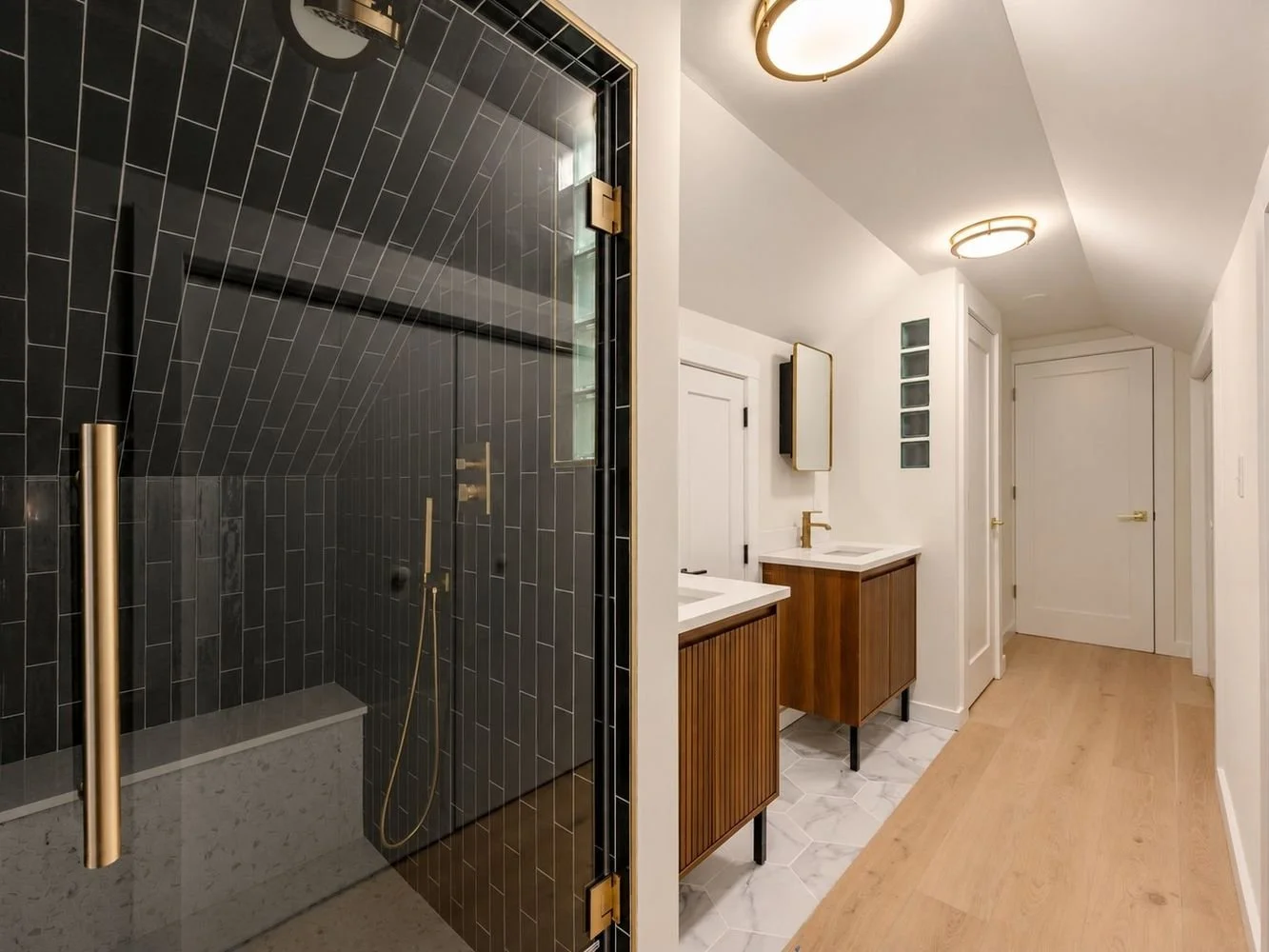

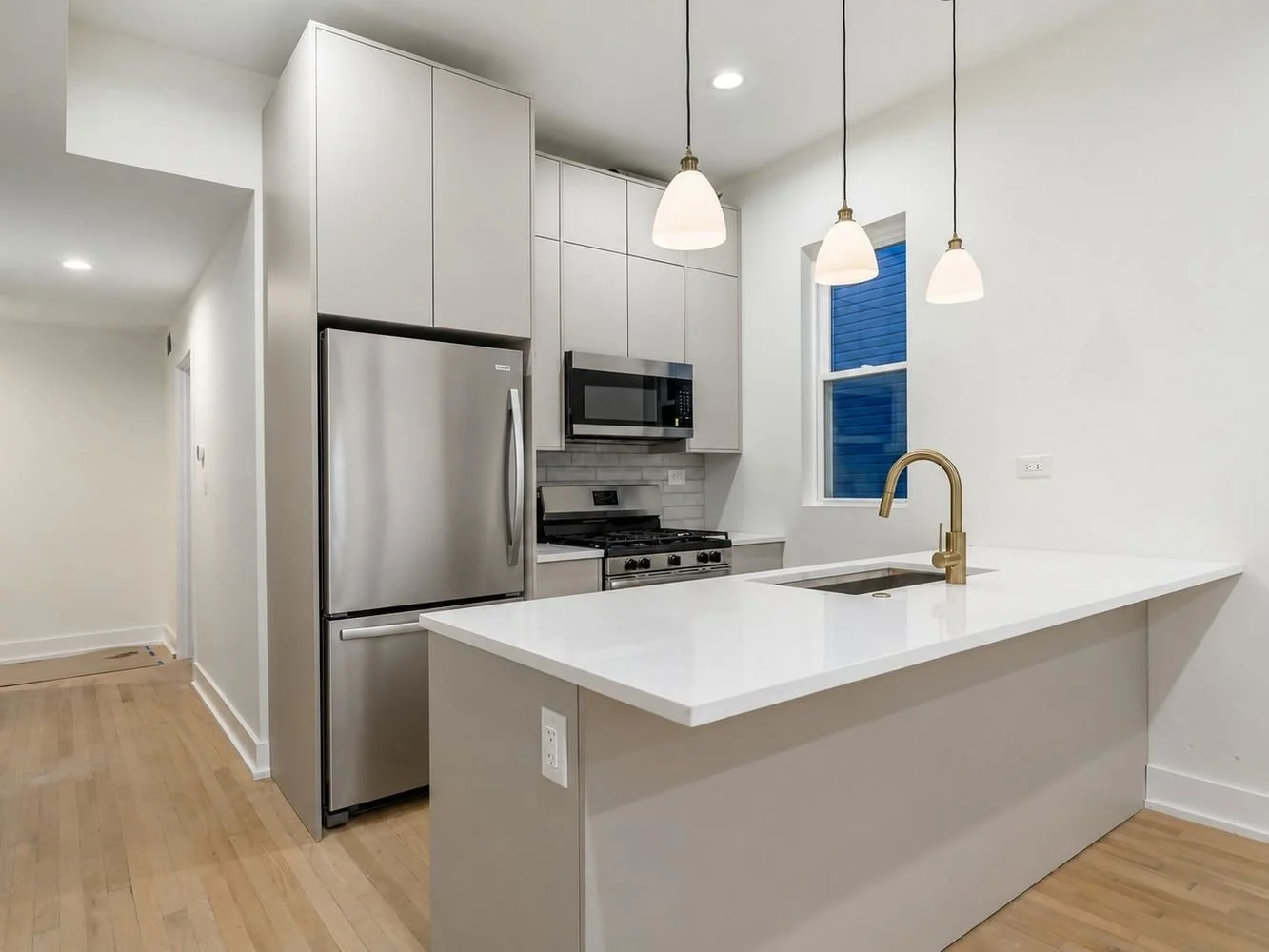

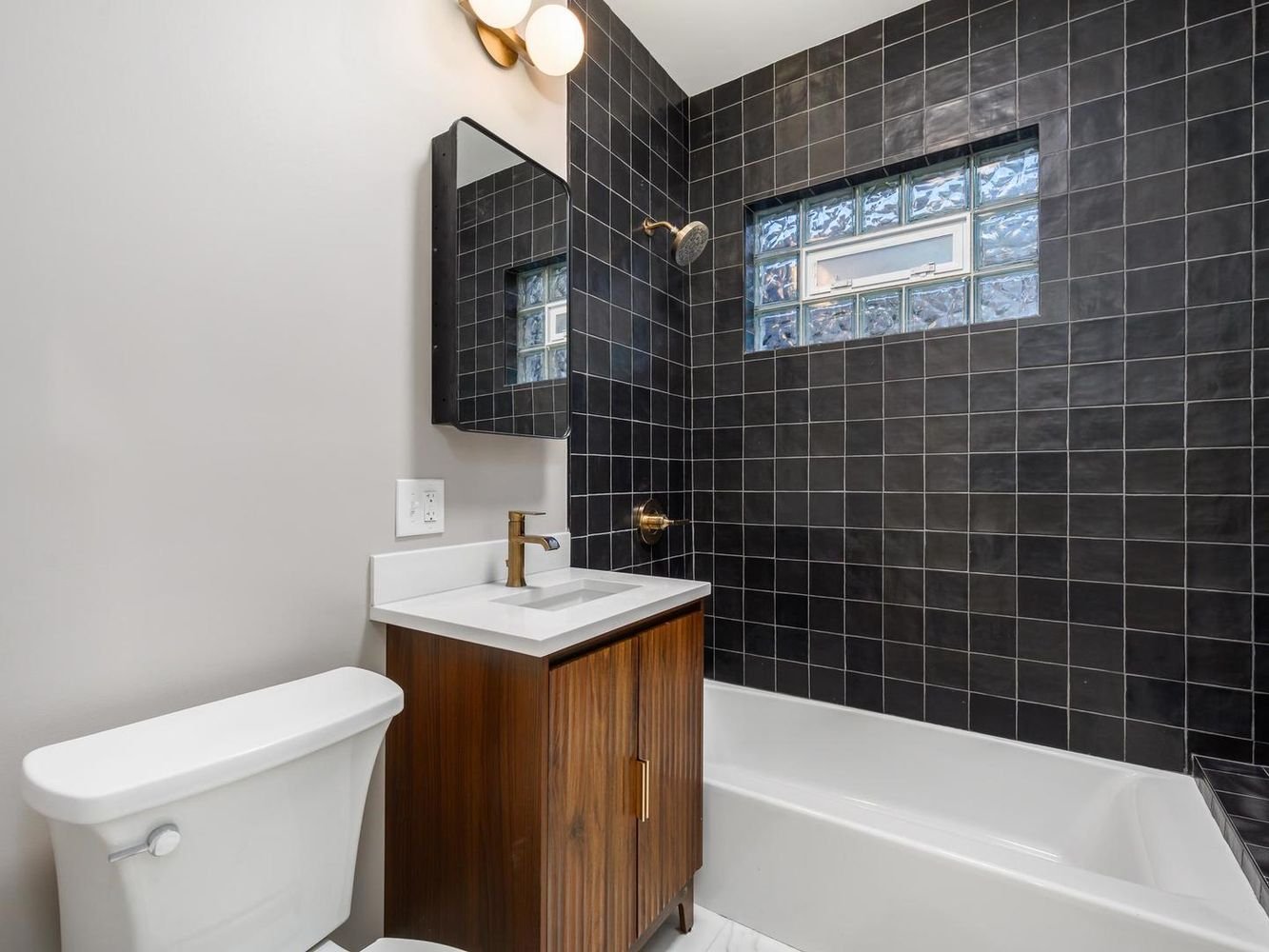

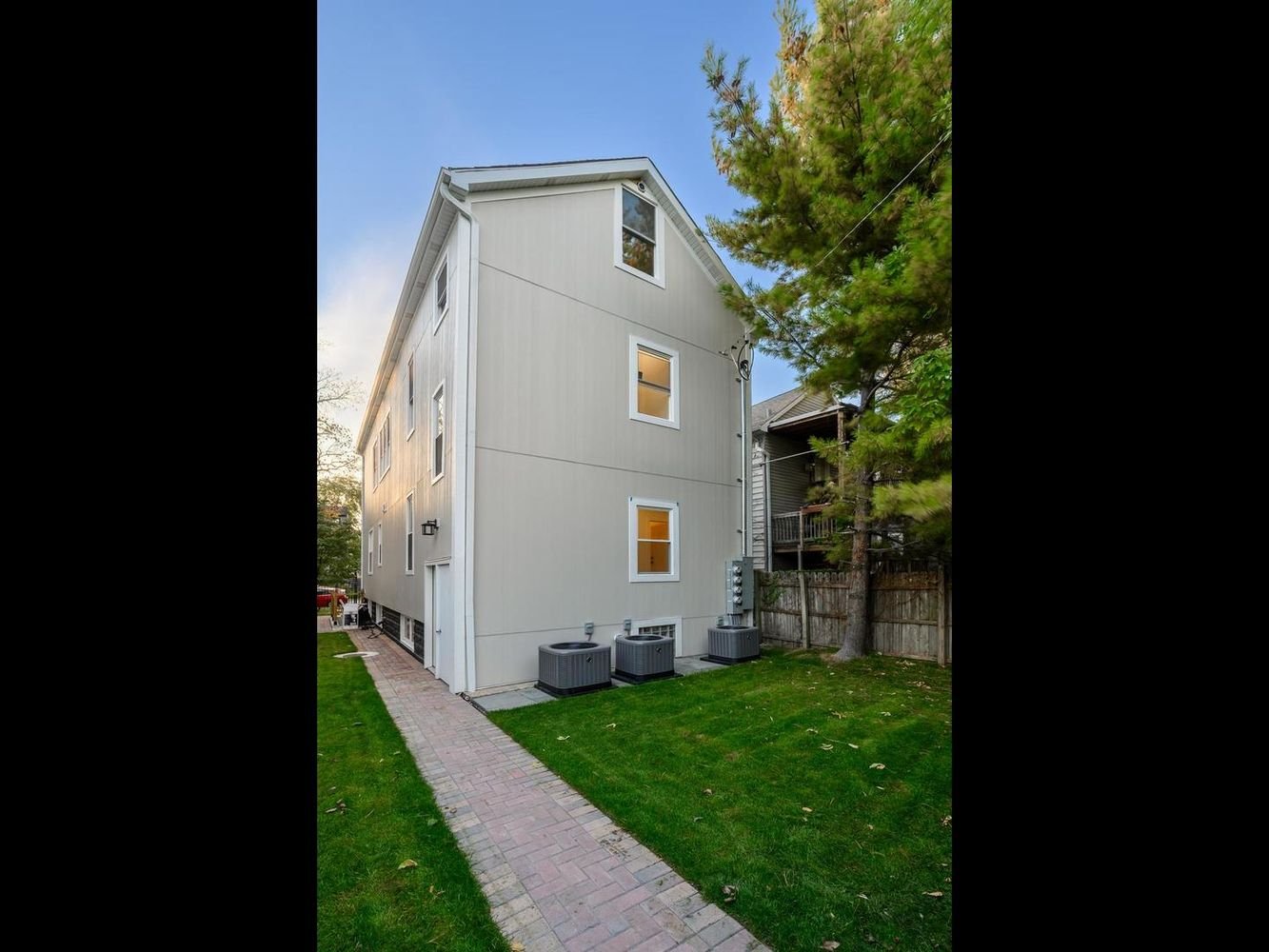
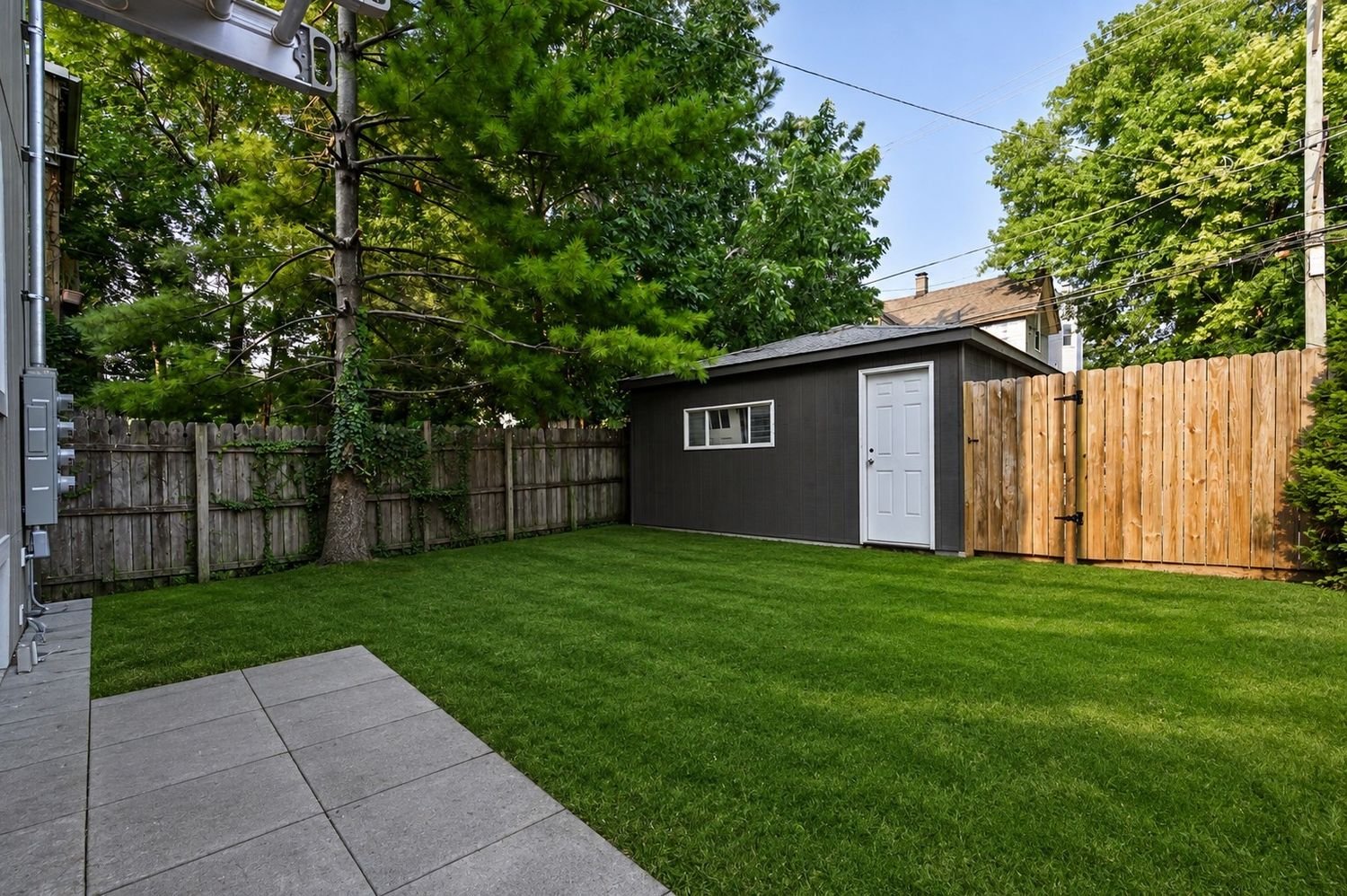
Back in the city, 1637 N Richmond presents an entirely different opportunity.
Located near The 606, Humboldt Park, and Logan Square, this fully gutted and reimagined three-flat sits on an extra-wide 31-foot lot and includes a 2-bedroom garden residence, 3-bedroom main-level residence, and 4-bedroom duplex-up penthouse.
Separate utilities, in-unit laundry, outdoor space, and three parking spaces, including a two-car garage, add to its flexibility.
This one is particularly interesting because it can speak to multiple audiences. It could work as a traditional investment property or potentially as a house-hacking opportunity for someone who wants to occupy one residence while generating income from the others.
Best for: Investors and owner-occupants looking for a renovated multifamily opportunity near The 606.
Highland Park: Townhome Convenience Near Downtown and Ravinia
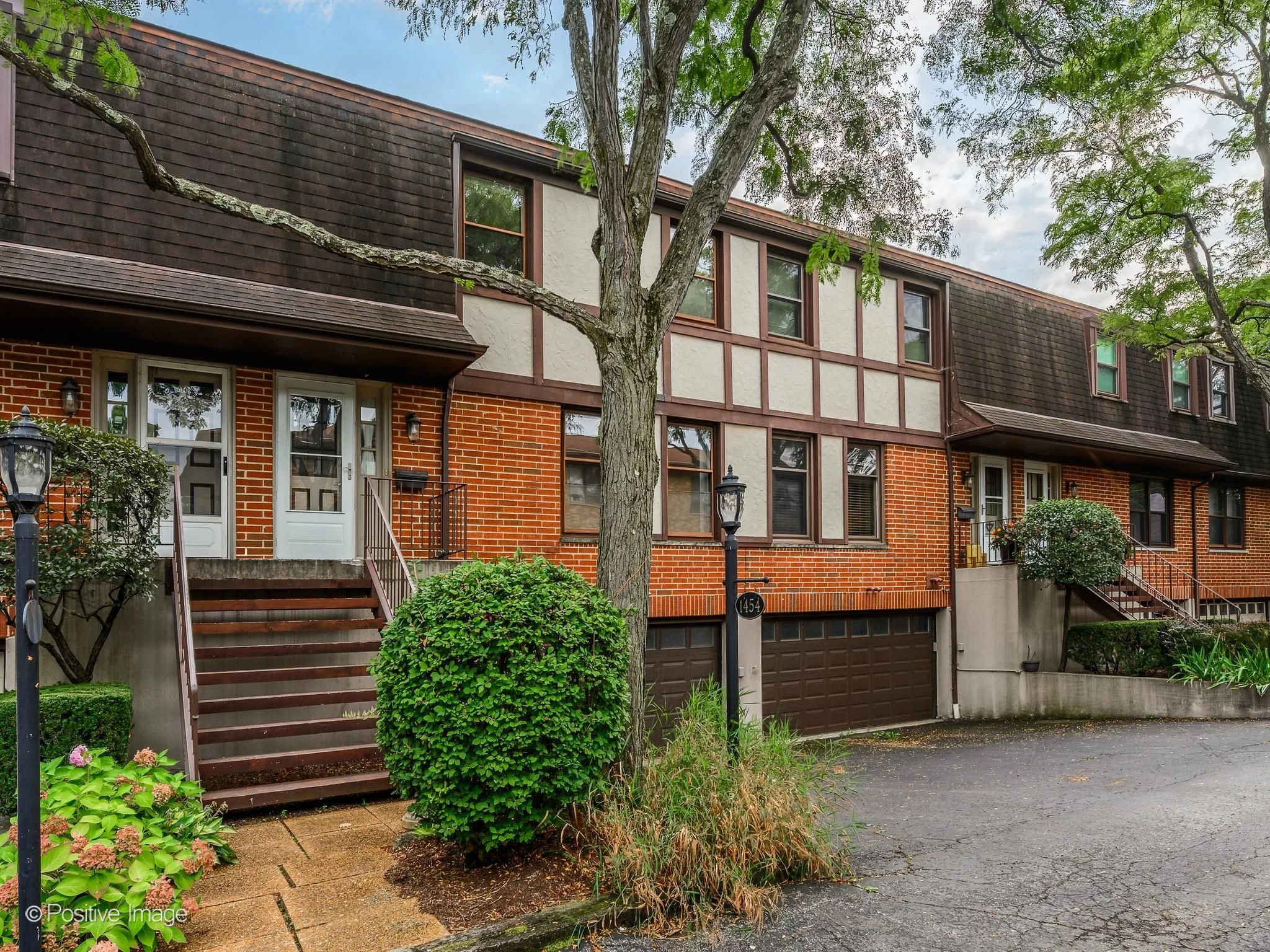


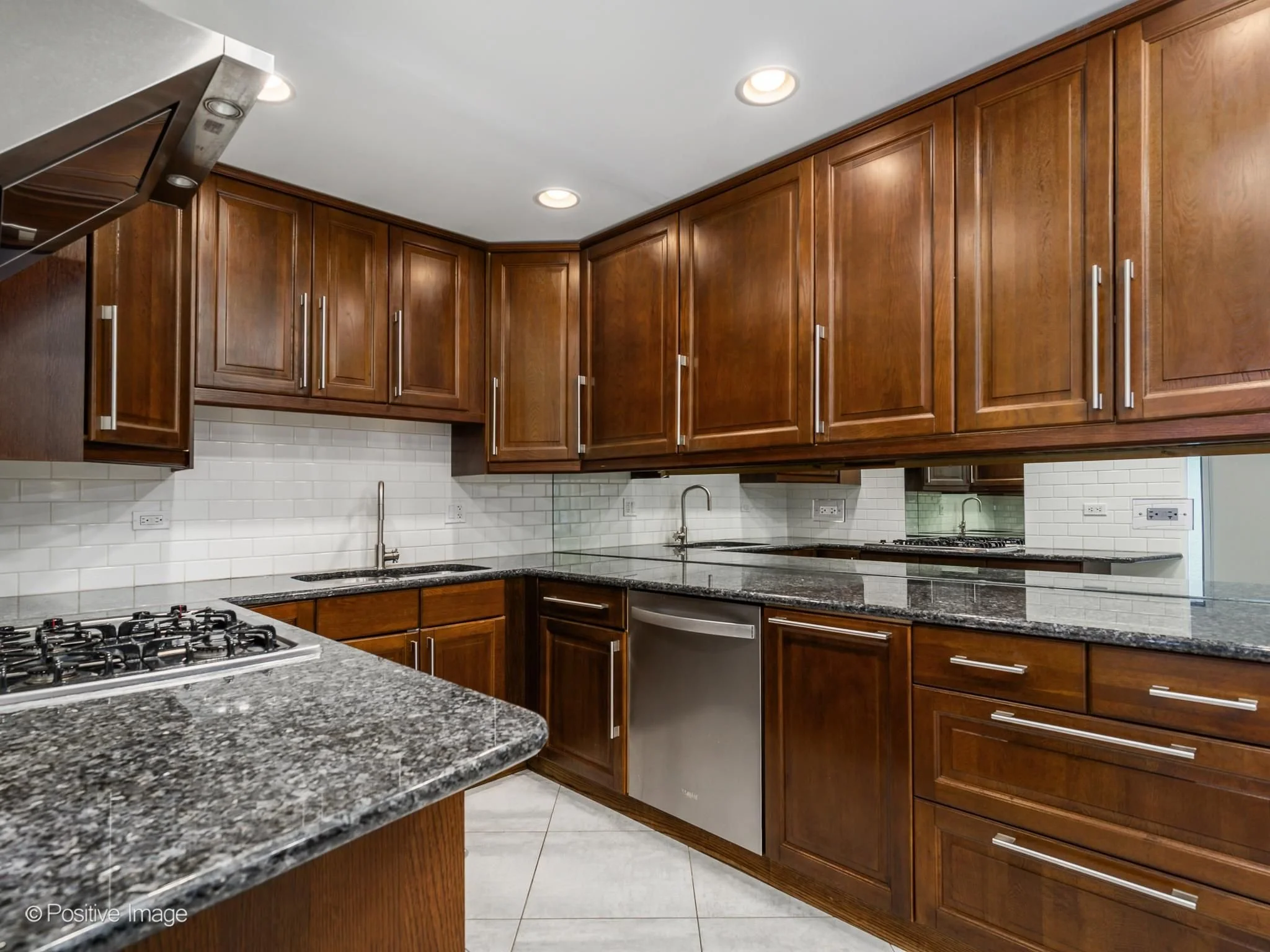
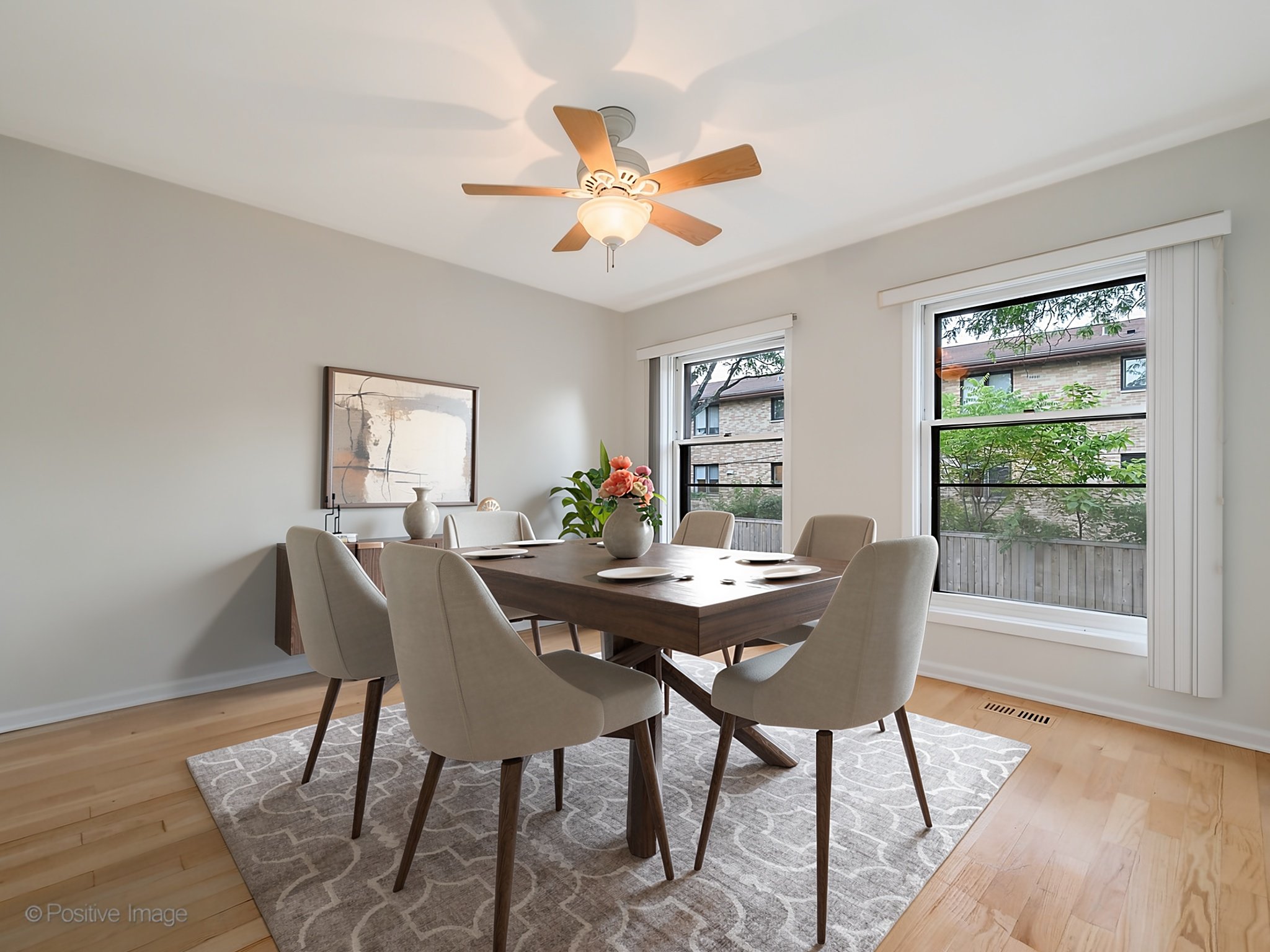


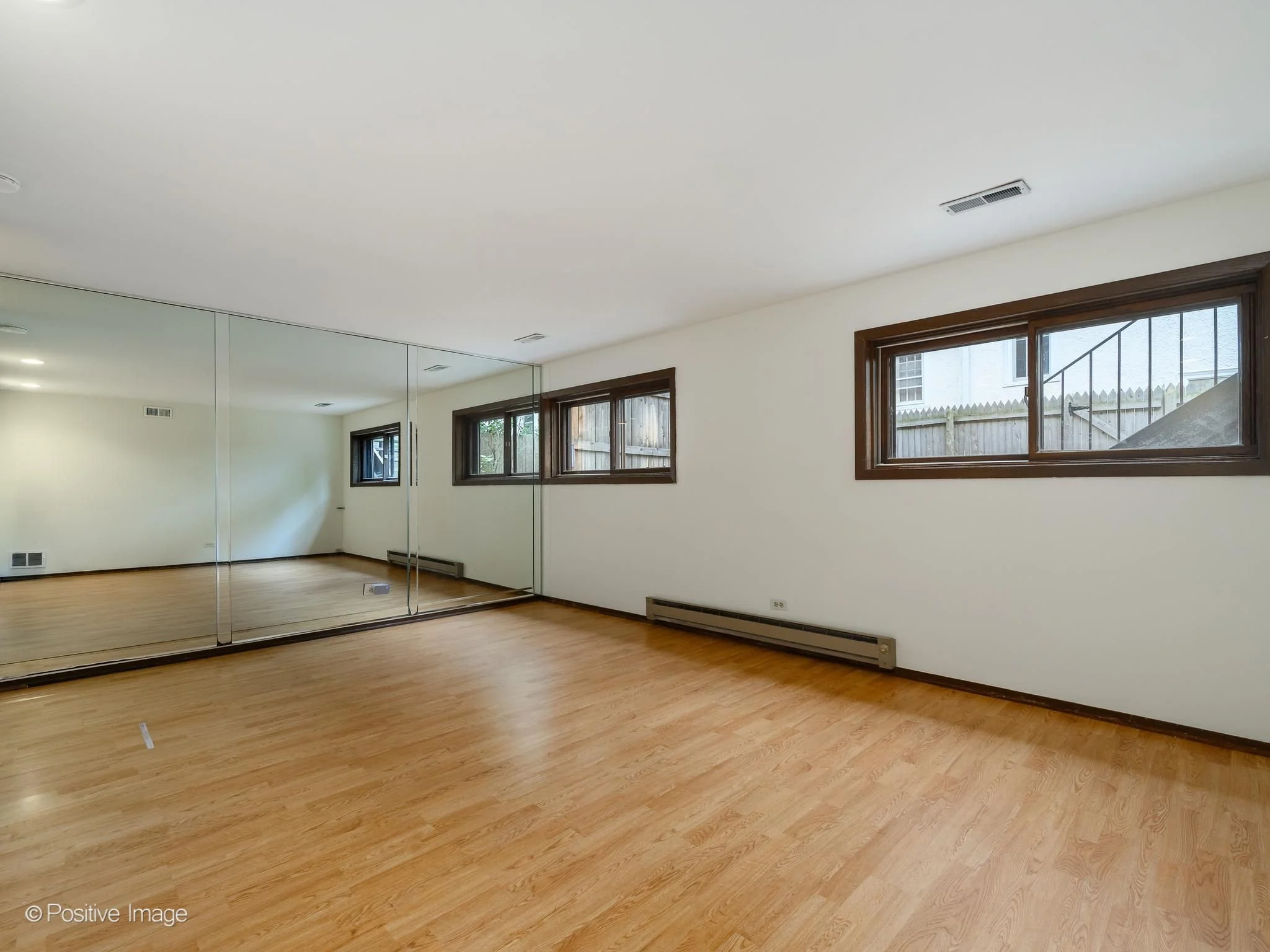
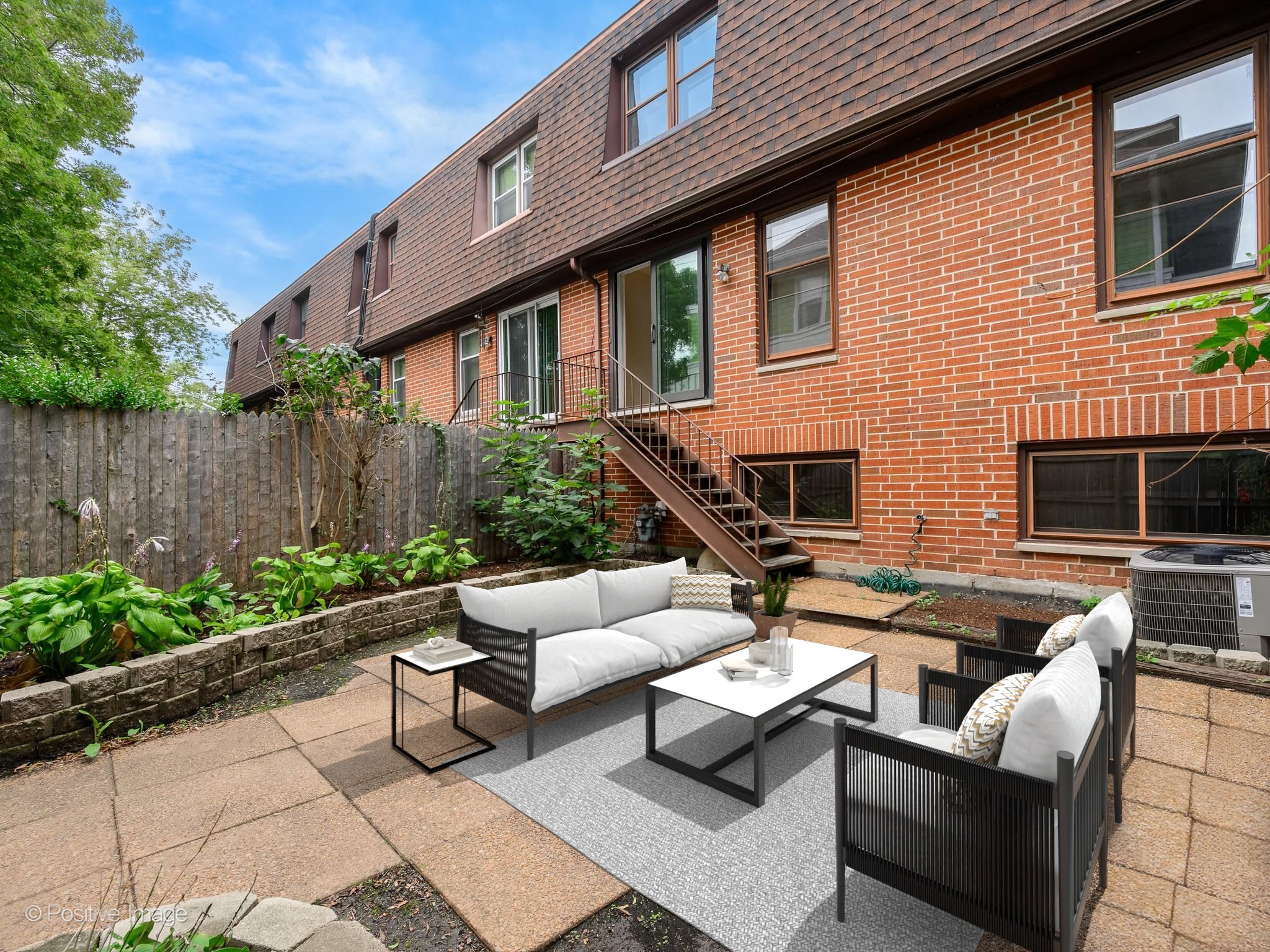
Finally, we head back to the North Shore with 1454 Glencoe Avenue in Highland Park, a townhome that combines comfortable living space with an especially convenient location.
The home is close to Metra, downtown Highland Park’s shops and restaurants, and popular Ravinia, making it easy to enjoy the North Shore without giving up accessibility.
For buyers who want space but prefer a townhome lifestyle, this is another example of how different housing options can meet very different needs within the same broader market.
Best for: Buyers looking for a North Shore townhome with convenient access to transportation, dining, shopping, and Ravinia.
What One Week Says About the Chicagoland Real Estate Market
These five properties couldn’t be much more different, and that’s exactly the point.
River North. Glenview. Orland Park. West Bucktown. Highland Park. A rental, two townhomes, a large single-family home, and a three-flat, all in one week.
Our job isn’t simply to know how to sell a home. It’s to understand how to position each individual property for the buyer most likely to value it, whether that means emphasizing views and amenities downtown, nearly 5,000 square feet in the Southwest Suburbs, Metra and Ravinia on the North Shore, or income potential near The 606.
That range also benefits our buyers. Because we work across different property types and markets, we can help clients compare options based on the bigger picture, including space, monthly costs, investment potential, commute, maintenance, and lifestyle.
And even in Q4, those options are still coming.
Chicagoland Real Estate FAQs
Is the Chicago real estate market still active in Q4?
Yes. While spring traditionally brings more buyers and listings, real estate activity continues throughout the fall. Q4 can offer opportunities for buyers and sellers who want to make a move before year-end, and the five very different properties Busby Group brought to market in one week illustrate the range of inventory still entering the Chicagoland market this fall.
Does Busby Group work in both Chicago and the suburbs?
Yes. Busby Group works throughout Chicago, the North Shore, West, and the Southwest Suburbs, representing buyers and sellers across a wide range of neighborhoods and communities.
Our experience across these markets helps us understand that a successful strategy in River North may look very different from one in Glenview, Highland Park, or Orland Park. We also have trusted partners across the US and beyond.
What types of properties does Busby Group specialize in?
Our experience spans condos, rentals, townhomes, single-family homes, luxury properties, multifamily buildings, new development, and investment real estate.
In one week alone, our new listings included a River North high-rise rental, Glenview and Highland Park townhomes, an almost 5,000-square-foot Orland Park home, and a renovated three-flat near The 606.
That range allows us to tailor pricing, positioning, and marketing to each property and the buyers most likely to value it.
The Busby Group Perspective
The fall market can create opportunities for both buyers and sellers who don’t want to wait until spring.
For sellers, there can be value in entering the market when there are fewer competing listings. For buyers, Q4 can mean new inventory, motivated sellers in certain situations, and early visibility into homes that may otherwise wait for the new year.
Most importantly, real estate is hyperlocal. What’s happening with a high-rise rental in River North can look very different from a townhome in Highland Park or a single-family home in Orland Park.
That’s why our experience across Chicago, the North Shore, West, and the Southwest Suburbs, and across condos, rentals, townhomes, single-family homes, multifamily properties, and investment real estate, matters.
Thinking about making a move anywhere in Chicagoland? Reach out to Busby Group to talk through your property, timing, and strategy.
Need to sell-to-buy? Learn about our strategy.
Property information, availability, features, and other details are subject to change. Please contact Busby Group for the most current information on any property featured above.
Just Sold: 305 S Racine, Unit 6B
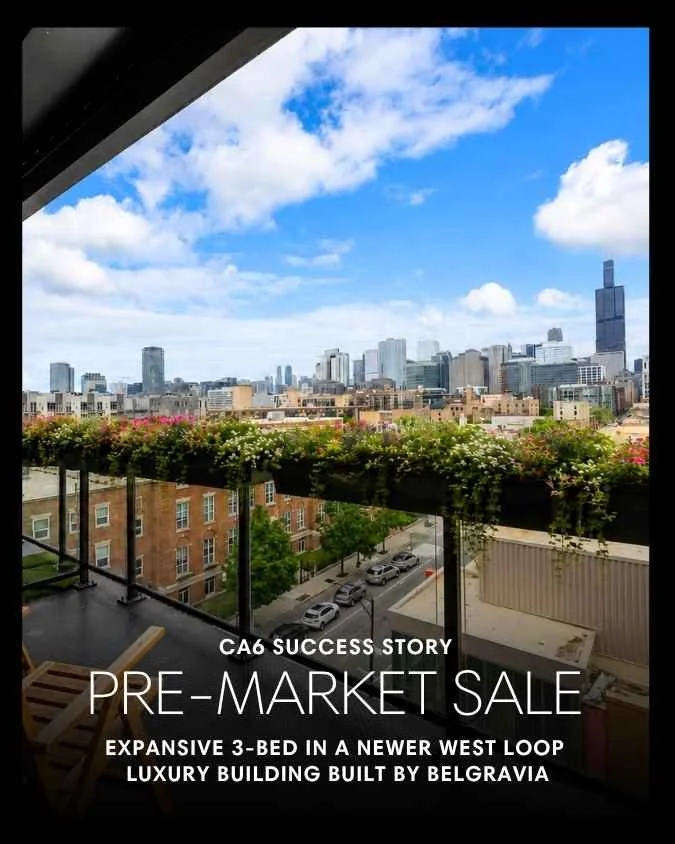

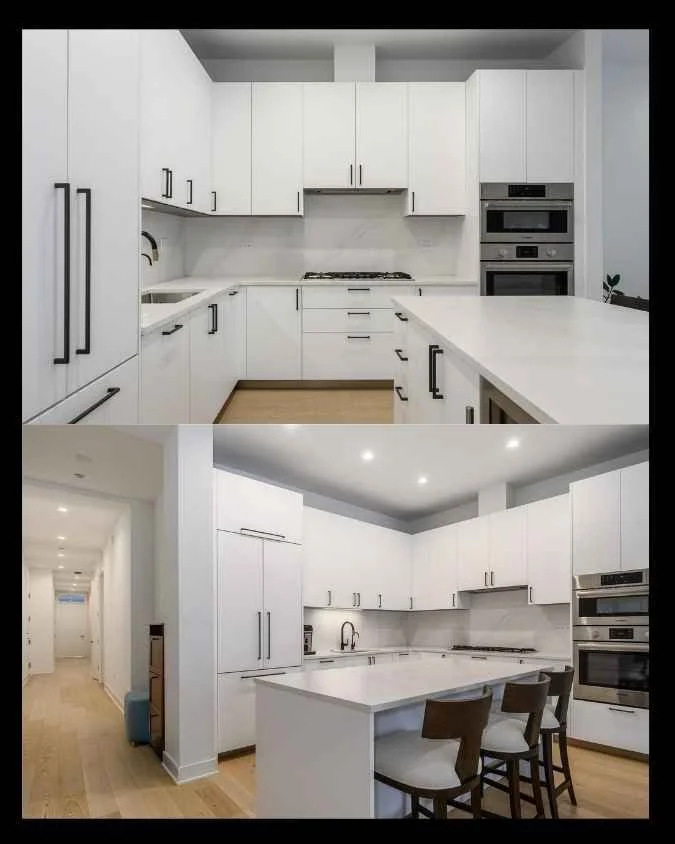

A Belgravia Resale Success in the West Loop
Just sold for $1,150,000, this remarkable 3-bedroom, 3-bath West Loop residence pairs refined interiors and thoughtful design with an enviable location in a newer luxury building by renowned Chicago developer Belgravia Group.
Congratulations to our clients and the new homeowners!
For our seller, the goal wasn't simply to sell. The timing needed to coordinate with their plans to move into their next home.
Rather than immediately bringing the residence to the broader market, Busby Group leveraged our network and experience with Belgravia resales to secure an offer pre-market that aligned with our client's preferred timeframe. The result provided greater certainty and helped create a smoother transition from one home to the next.
Why Pre-Market Strategy Can Matter
For the right property and seller, a pre-market sale can offer advantages beyond price. It can provide greater control over timing, reduce the disruption of preparing for a full public launch, and create flexibility when coordinating a simultaneous sale and purchase.
Our experience with Belgravia properties also gives us an understanding of the construction, floor plans, finishes and features that can matter when positioning these homes for resale.
Busby Group + Belgravia Resales
Busby Group includes four Belgravia experts and brings 100+ years of combined real estate experience to our clients. Whether you're considering selling a Belgravia residence, purchasing one, or trying to coordinate both at the same time, we build a strategy around your individual goals and timing.
Thinking about selling your Belgravia home? Connect with Busby Group to discuss its current value, potential buyer demand and the right strategy for your next move.
Worth the Wait in River Forest
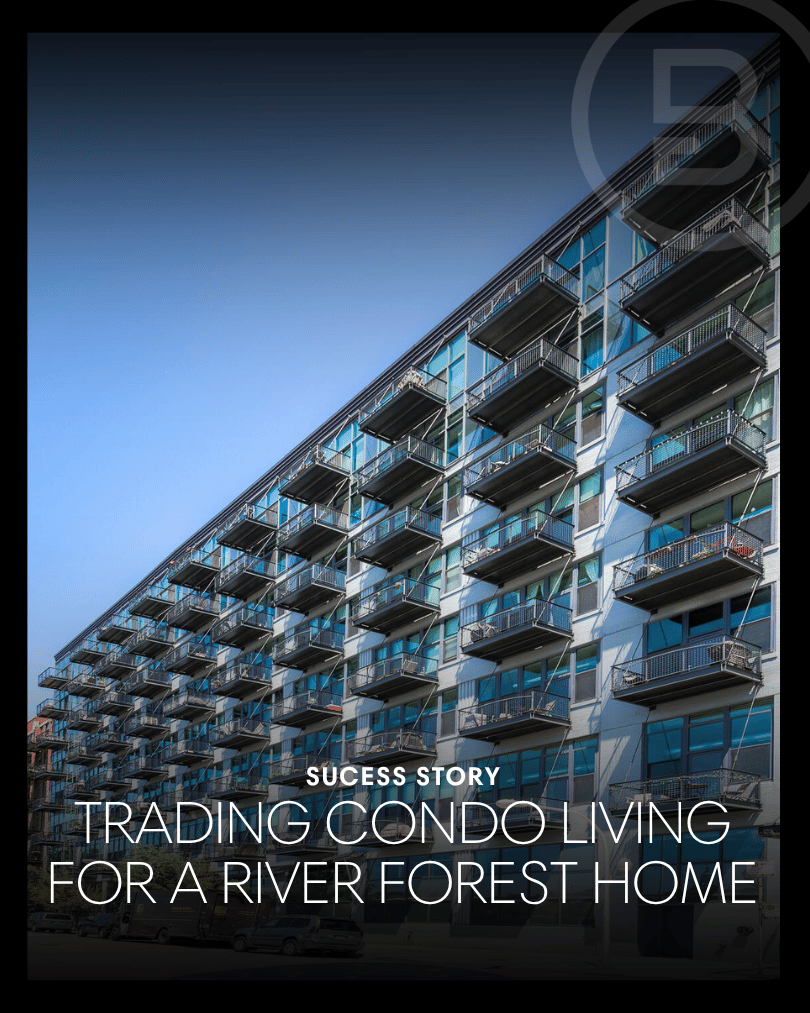
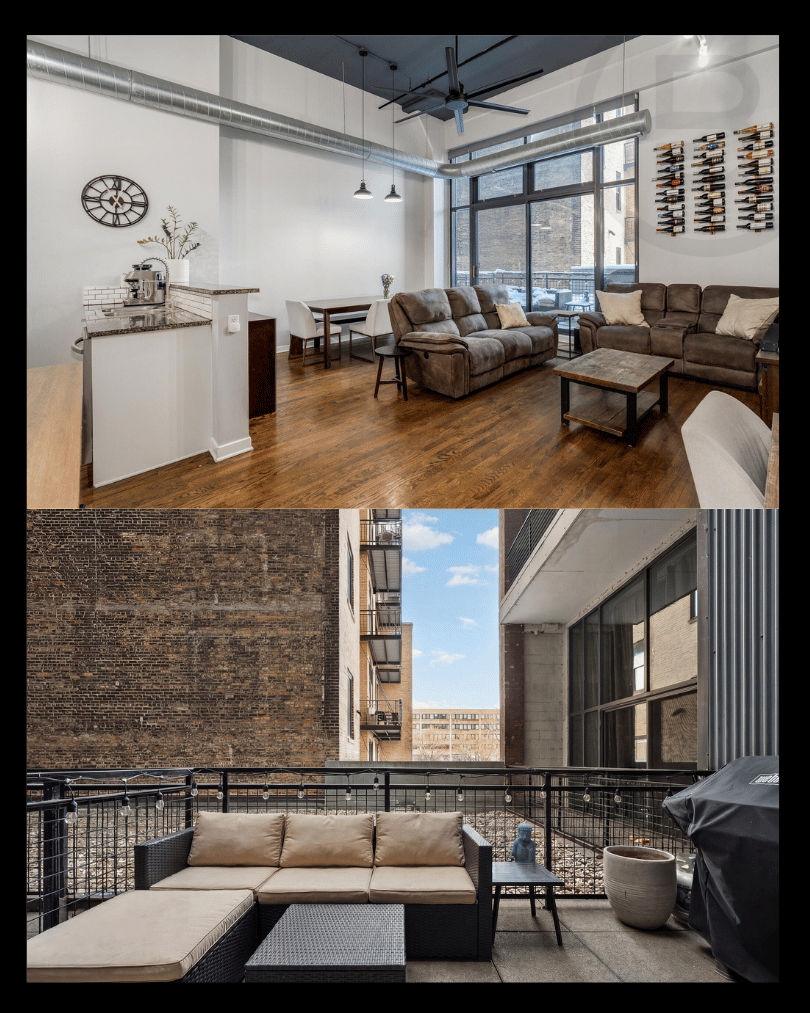
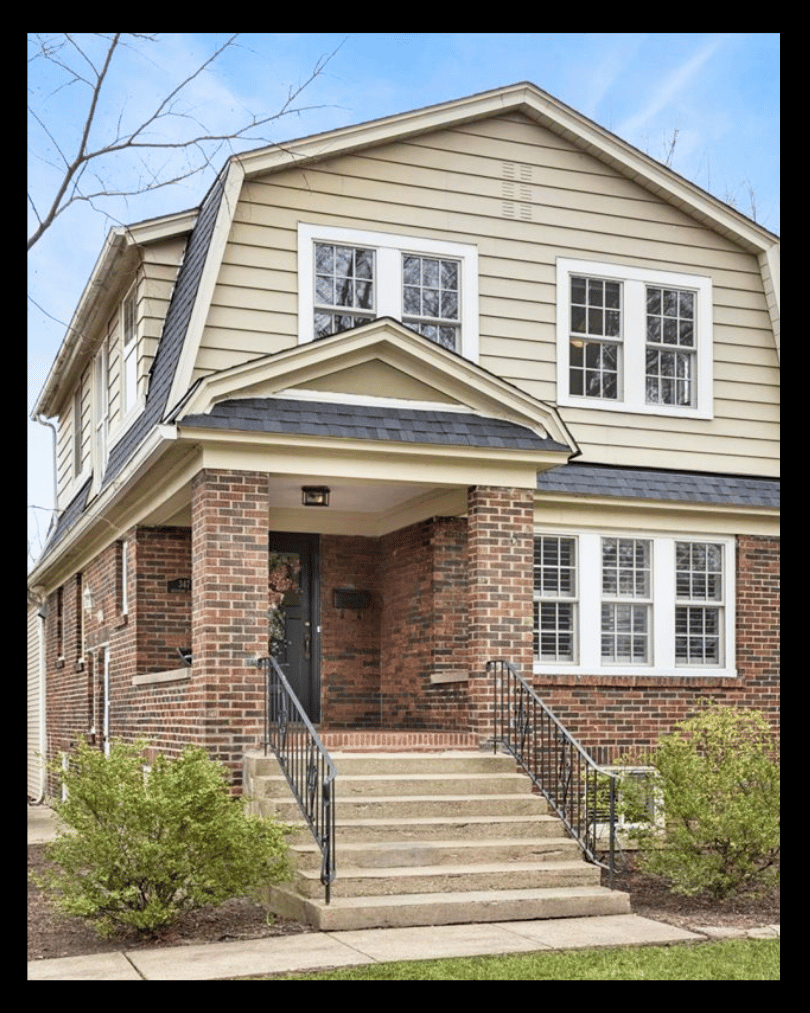

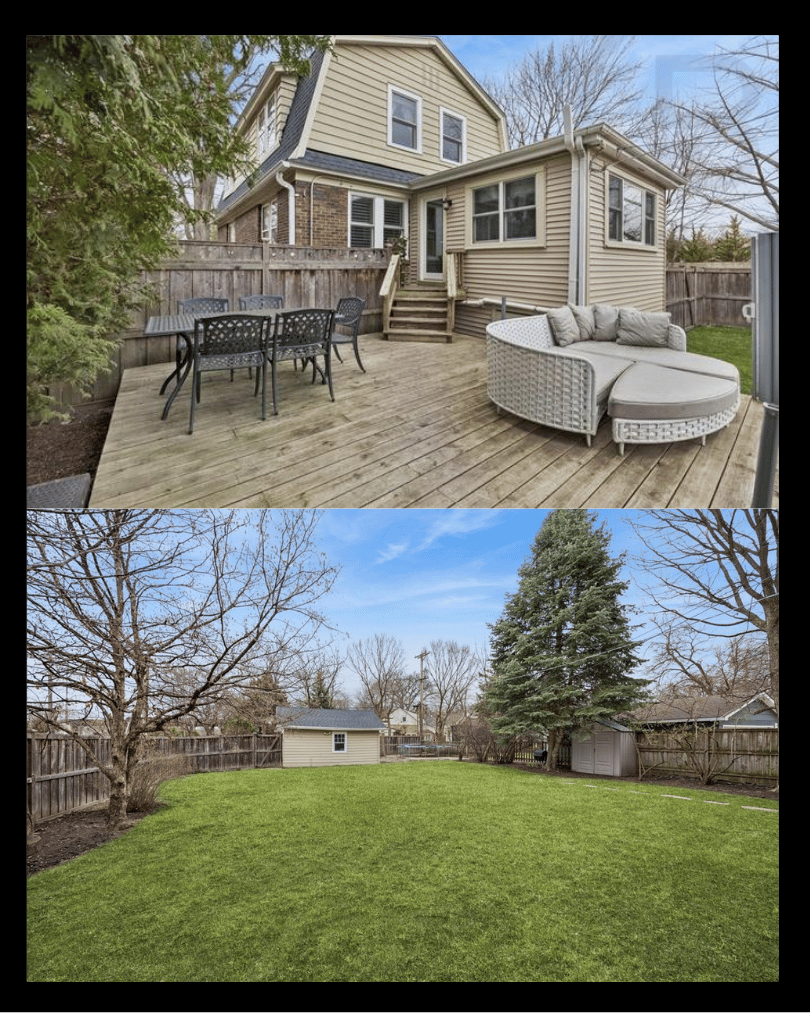
SELL-TO-BUY SUCCESS STORY
For Busby Group broker Susan, this move was especially personal. Her clients are also longtime friends who were ready to trade condo living for a single-family home as their family grew. They focused their search on Oak Park and River Forest, where they already had family nearby.
They also knew they were entering a competitive market. Susan worked with them through a longer search, including a few homes that didn't work out along the way. Rather than forcing the wrong home simply to make the timing easier, they stayed focused on what mattered most and waited for the right fit.
At the same time, Susan and the Busby Group team needed to solve the other half of the equation: selling their condo at 1224 W Van Buren #212 without leaving them caught between two homes.
Before bringing the condo to the broader market, we found a buyer pre-market and negotiated a leaseback, allowing our clients to remain in their condo after closing while continuing their search. That flexibility took away some of the pressure that can come with selling and buying simultaneously.
Then the right home came along at 347 Keystone Avenue in River Forest.
It was worth the wait.
Not only did the home provide the single-family lifestyle and additional space they wanted, it was on the same street as her sister, brother-in-law, and their four children.
The Takeaway
A successful sell-to-buy move isn't always about making everything happen as quickly as possible. Sometimes the best strategy is creating enough flexibility to wait for the right home.
By finding a buyer pre-market and negotiating a leaseback, Susan helped give her clients something incredibly valuable in a competitive market: time. They didn't have to settle simply because their condo had sold.
In the end, patience led them to the right house, more space for their growing family, and the chance to live on the same street as people they love.
Thinking about selling your current home while searching for the next one? Connect with Busby Group early so we can build a strategy around both sides of your move.
Chicago Is Home to Some of the Nation's Best Hospitals. Here's Why That Matters.

Quick Answer
Chicago continues to earn national recognition as one of the country's leading healthcare destinations. In the latest 2026–2027 U.S. News & World Report Best Hospitals rankings, both Northwestern Memorial Hospital and Rush University Medical Center were named to the prestigious Honor Roll, recognizing them among the top 20 hospitals in the nation. The rankings evaluate nearly 4,500 hospitals based on performance across medical specialties, patient outcomes, procedures, conditions, and maternity care.
When people think about choosing where to live, they often focus on neighborhoods, schools, restaurants, parks, and commute times. Another important consideration is access to exceptional healthcare.
Fortunately, Chicago is home to one of the strongest healthcare communities in the country. From nationally ranked academic medical centers to world-renowned rehabilitation facilities, residents have access to outstanding care across nearly every specialty.
Whether you're relocating for work, beginning a medical residency, supporting a loved one, or simply planning for the future, proximity to excellent healthcare can provide lasting peace of mind.
Congratulations to Chicago's Nationally Ranked Hospitals
Congratulations to the physicians, nurses, researchers, and healthcare professionals whose dedication continues to place Chicago among the nation's healthcare leaders.
According to the 2026–2027 U.S. News & World Report Best Hospitals rankings:
Northwestern Memorial Hospital was once again named to the Best Hospitals Honor Roll and remains the No. 1 hospital in Illinois for the 15th consecutive year.
Rush University Medical Center also earned a place on the Best Hospitals Honor Roll, marking another year among the nation's leading hospitals.
University of Chicago Medical Center continues to receive national recognition across numerous adult specialties and remains one of the country's premier academic medical centers.
Beyond these nationally recognized institutions, Chicago is also home to exceptional healthcare providers, including:
Shirley Ryan AbilityLab, internationally recognized as a leader in physical medicine and rehabilitation.
Ann & Robert H. Lurie Children's Hospital, consistently ranked among the nation's top children's hospitals.
Loyola University Medical Center
University of Illinois Hospital & Health Sciences System
Advocate Health hospitals throughout Chicagoland.
Together, these institutions make Chicago one of the country's premier destinations for healthcare, research, innovation, and specialized medicine.
Why This Matters for Homebuyers
For many people, proximity to excellent healthcare plays an important role in choosing where to live.
We regularly work with:
Physicians and healthcare professionals relocating to Chicago
Medical residents and fellows
Hospital executives and researchers
Families seeking convenient access to ongoing care
Patients relocating temporarily or permanently for specialized treatment
Finding the right home often means balancing commute, lifestyle, neighborhood, and healthcare access together.
Featured Homes Near Chicago's Leading Medical Centers
211 E. Harbor Drive, Unit 1801


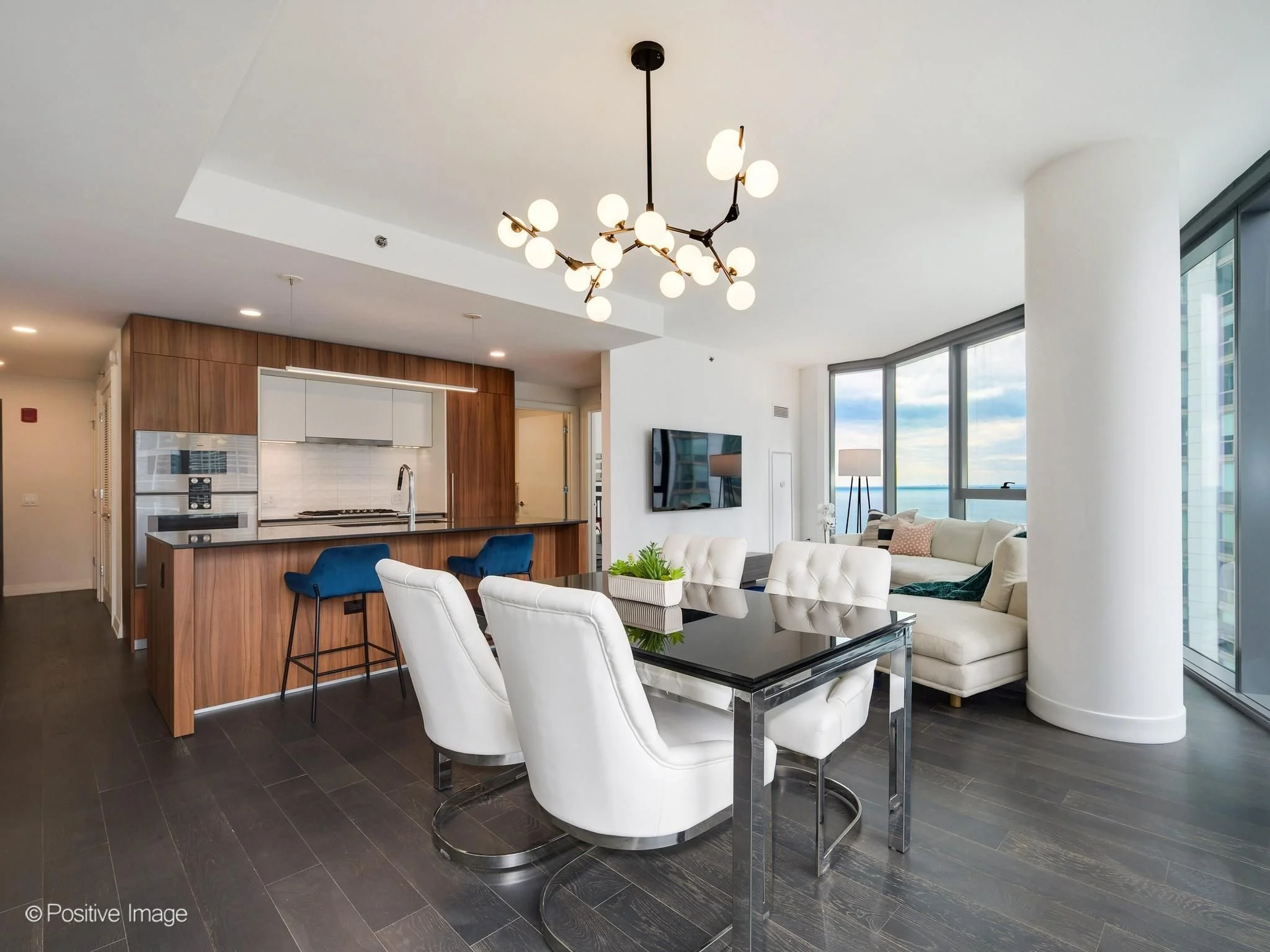



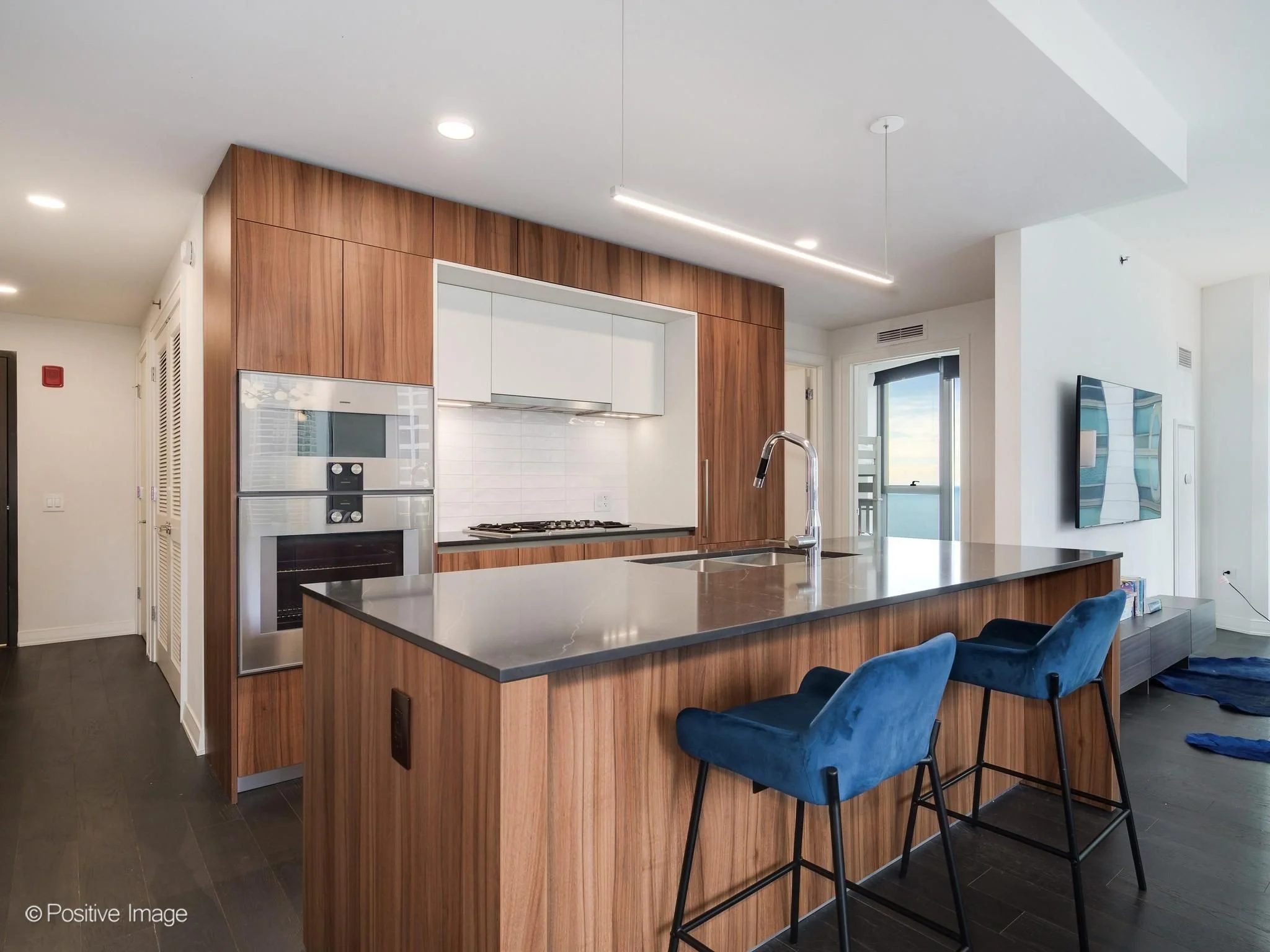
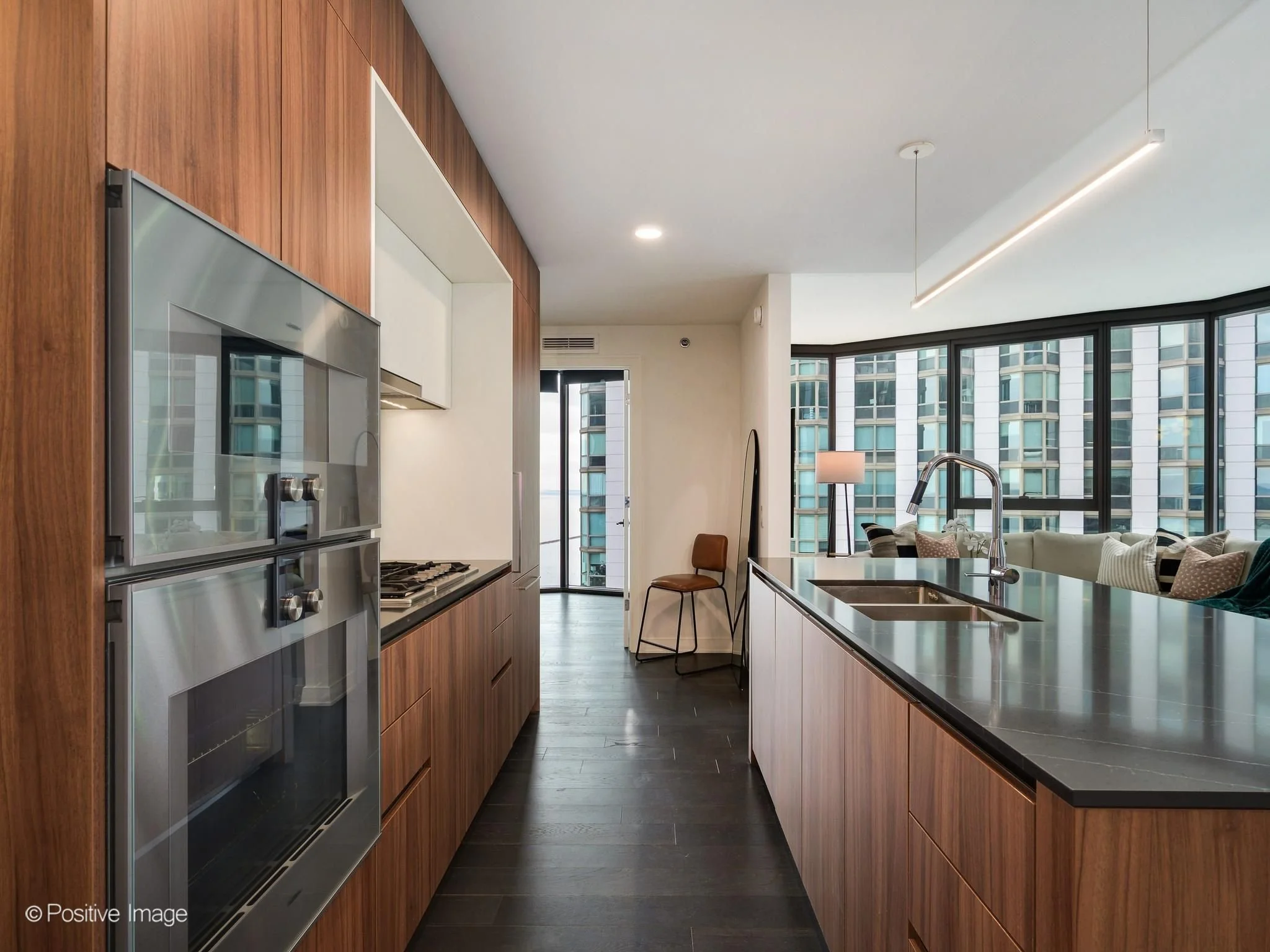
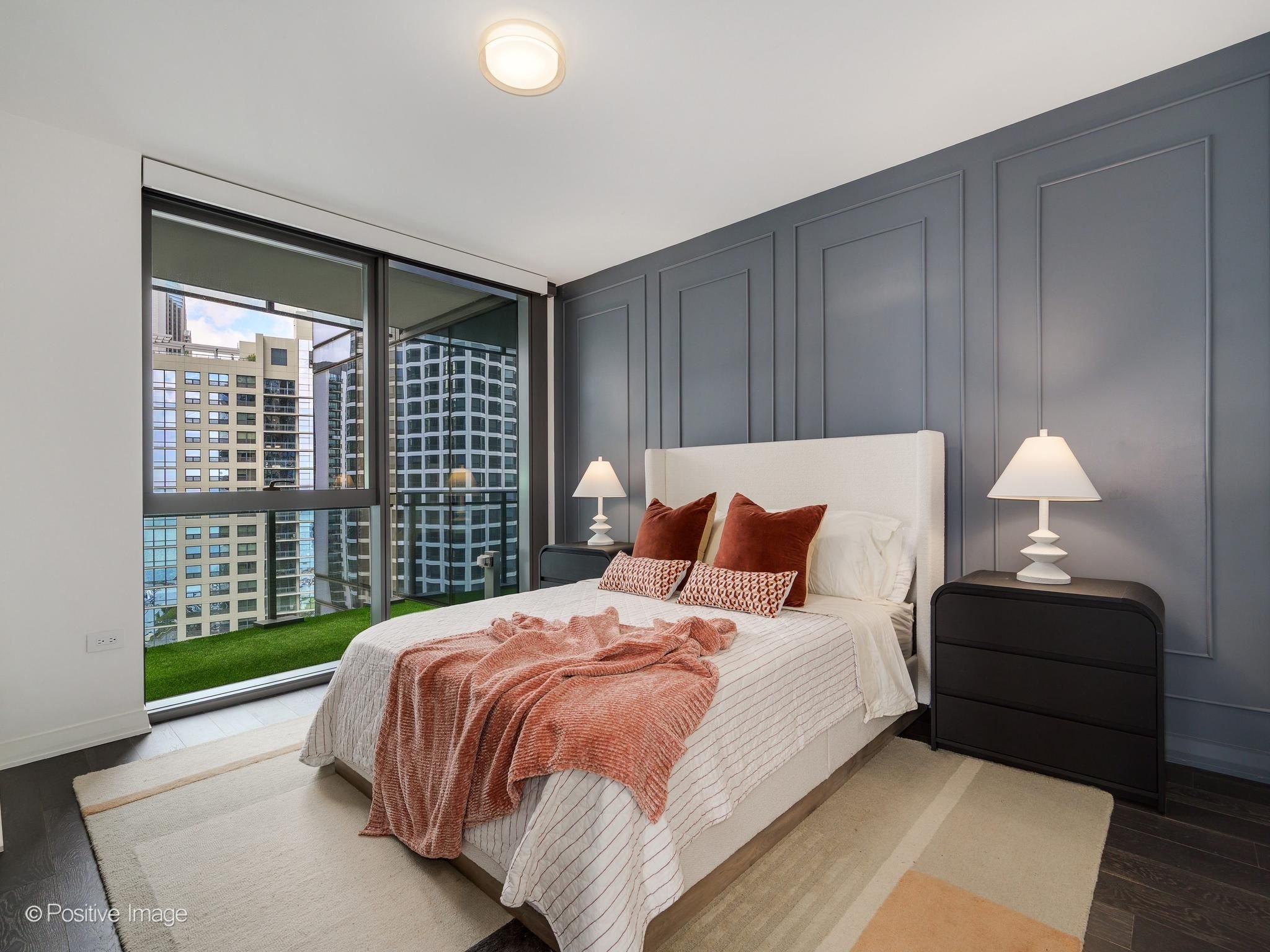


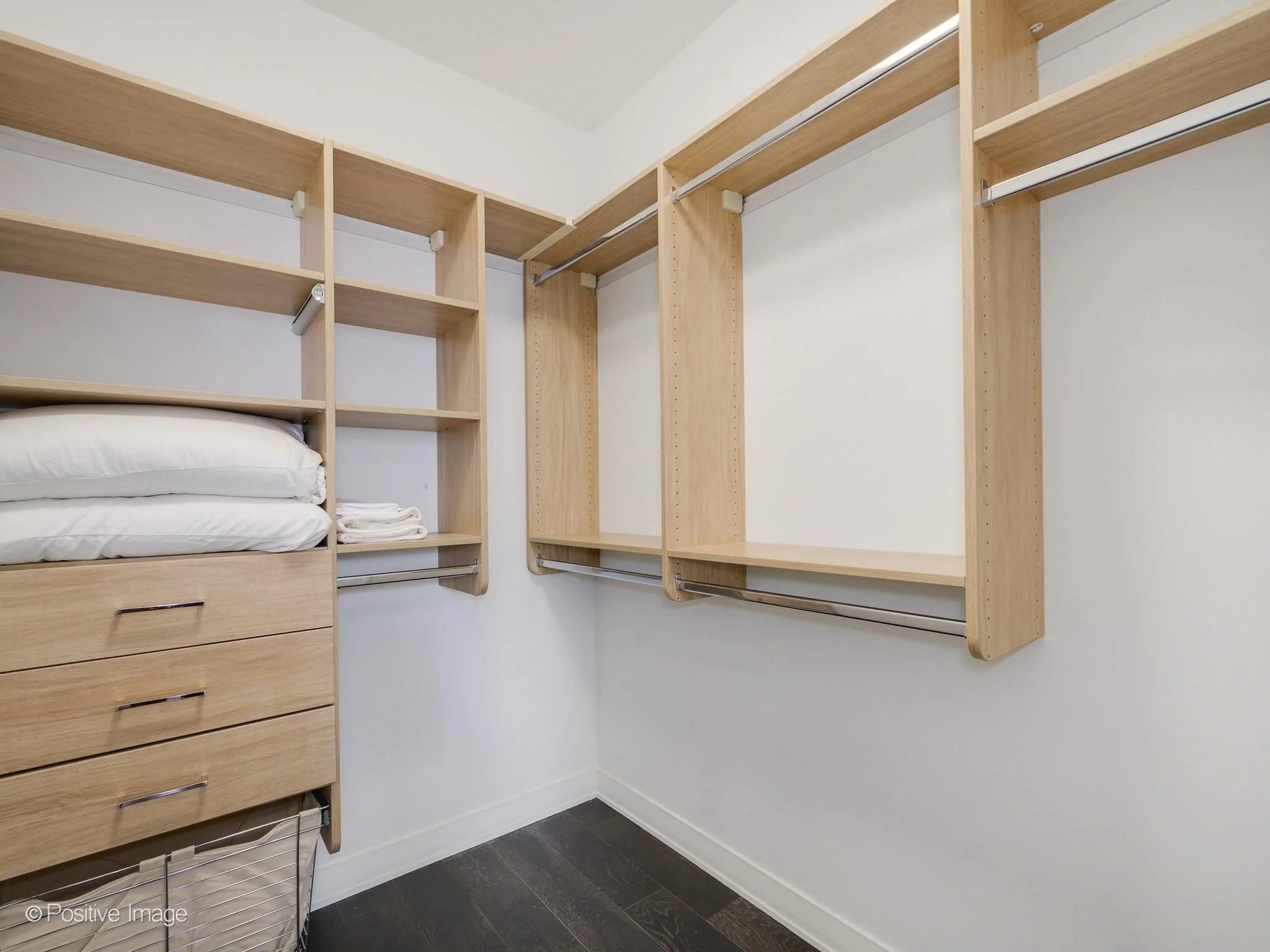
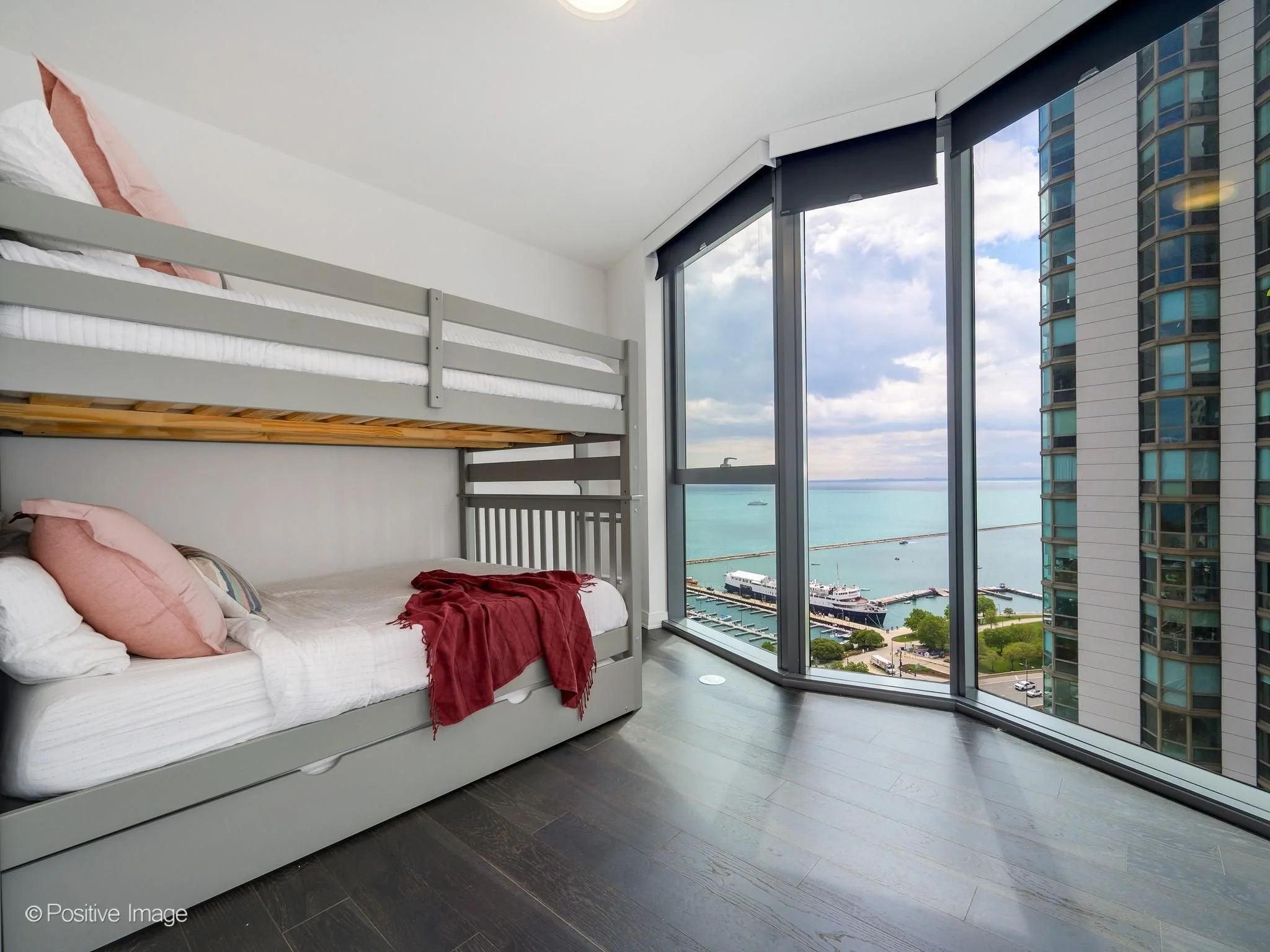
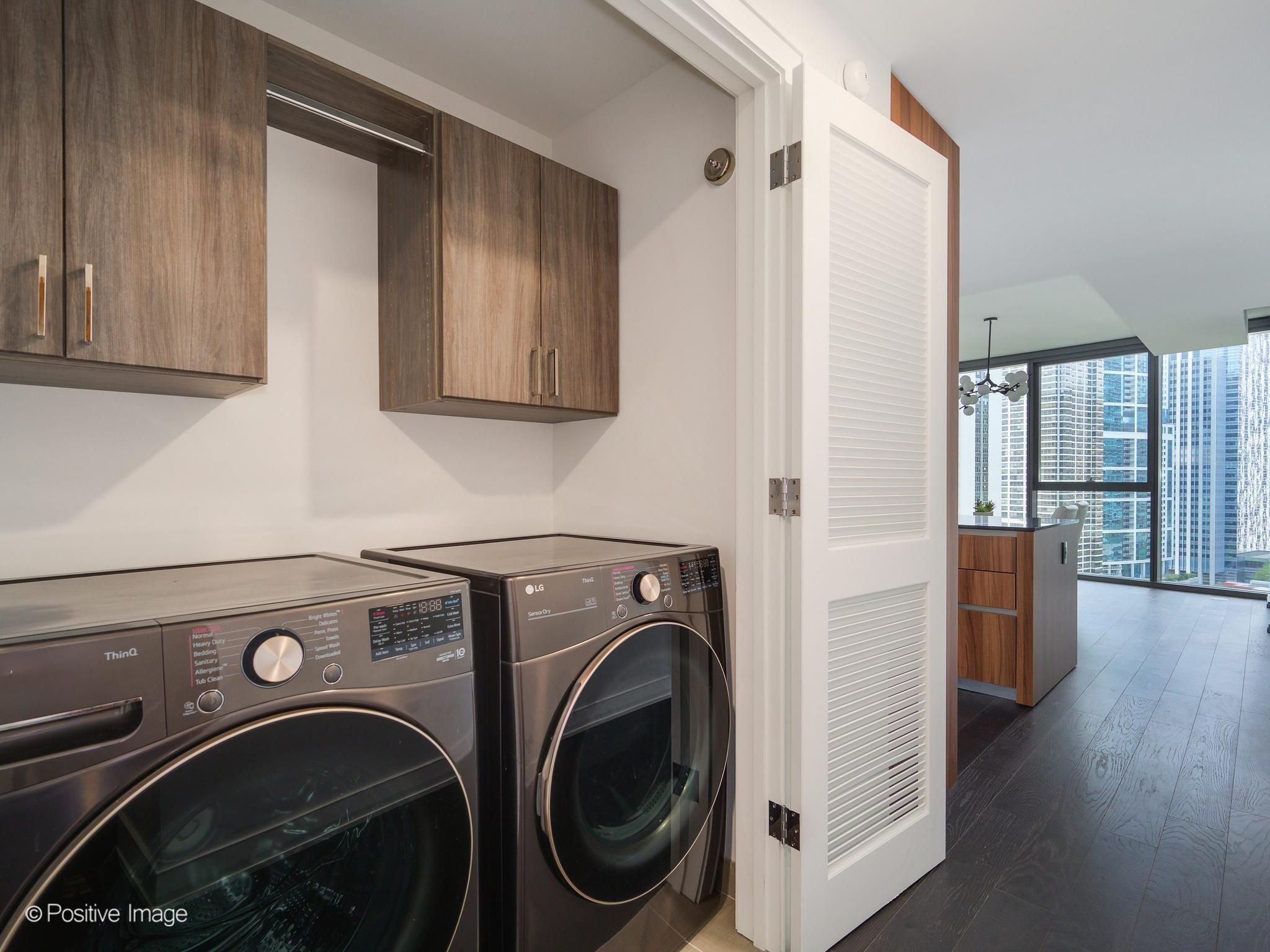

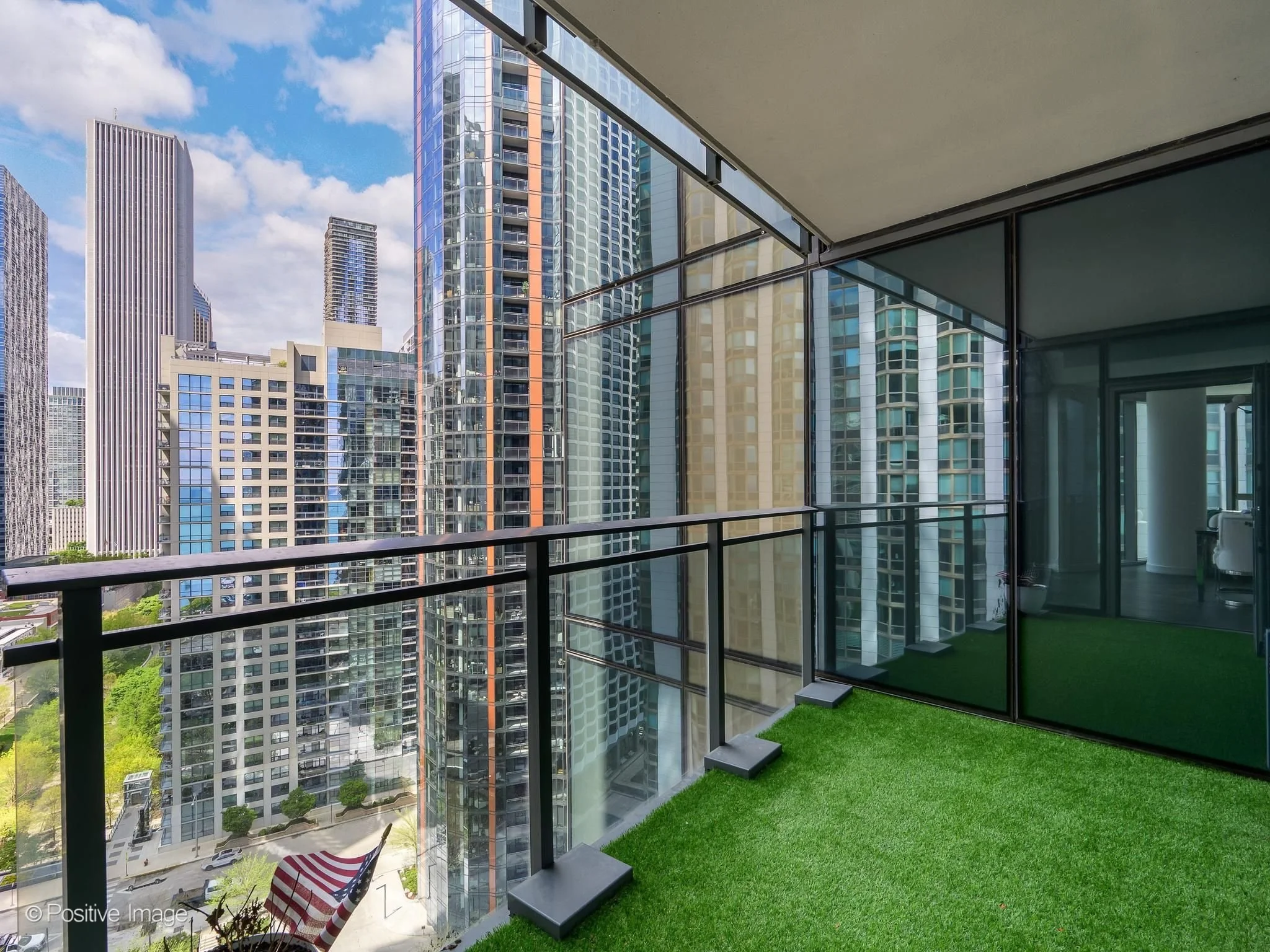






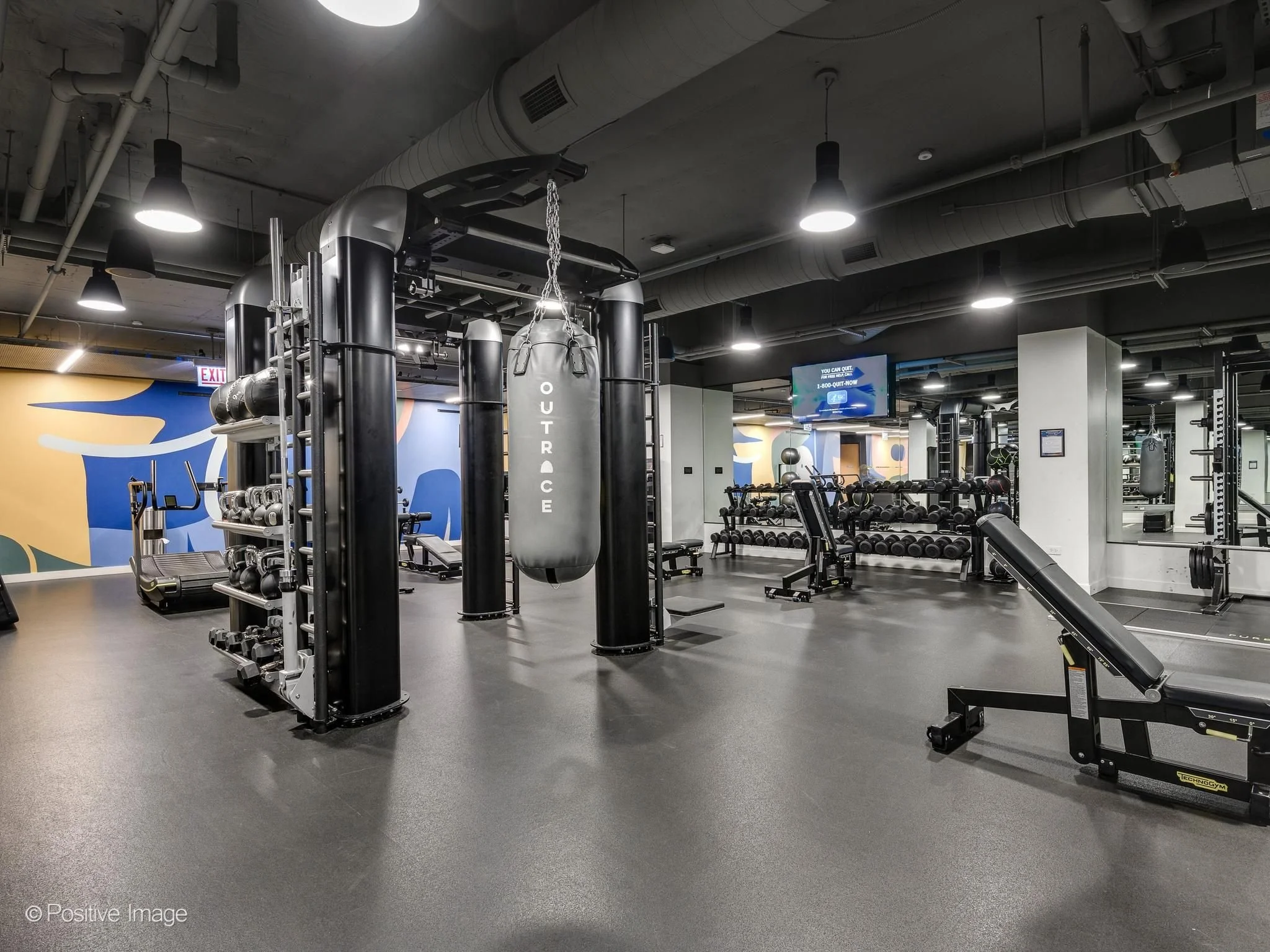

Located in Lakeshore East, this beautifully positioned residence offers exceptional convenience to many of Chicago's premier medical institutions, including:
Northwestern Memorial Hospital
Shirley Ryan AbilityLab
Ann & Robert H. Lurie Children's Hospital
Beyond its outstanding location, residents enjoy easy access to the lakefront, Maggie Daley Park, Millennium Park, and downtown Chicago, creating an ideal balance between work, wellness, and city living.
1250 S. Michigan Avenue, Unit 2802


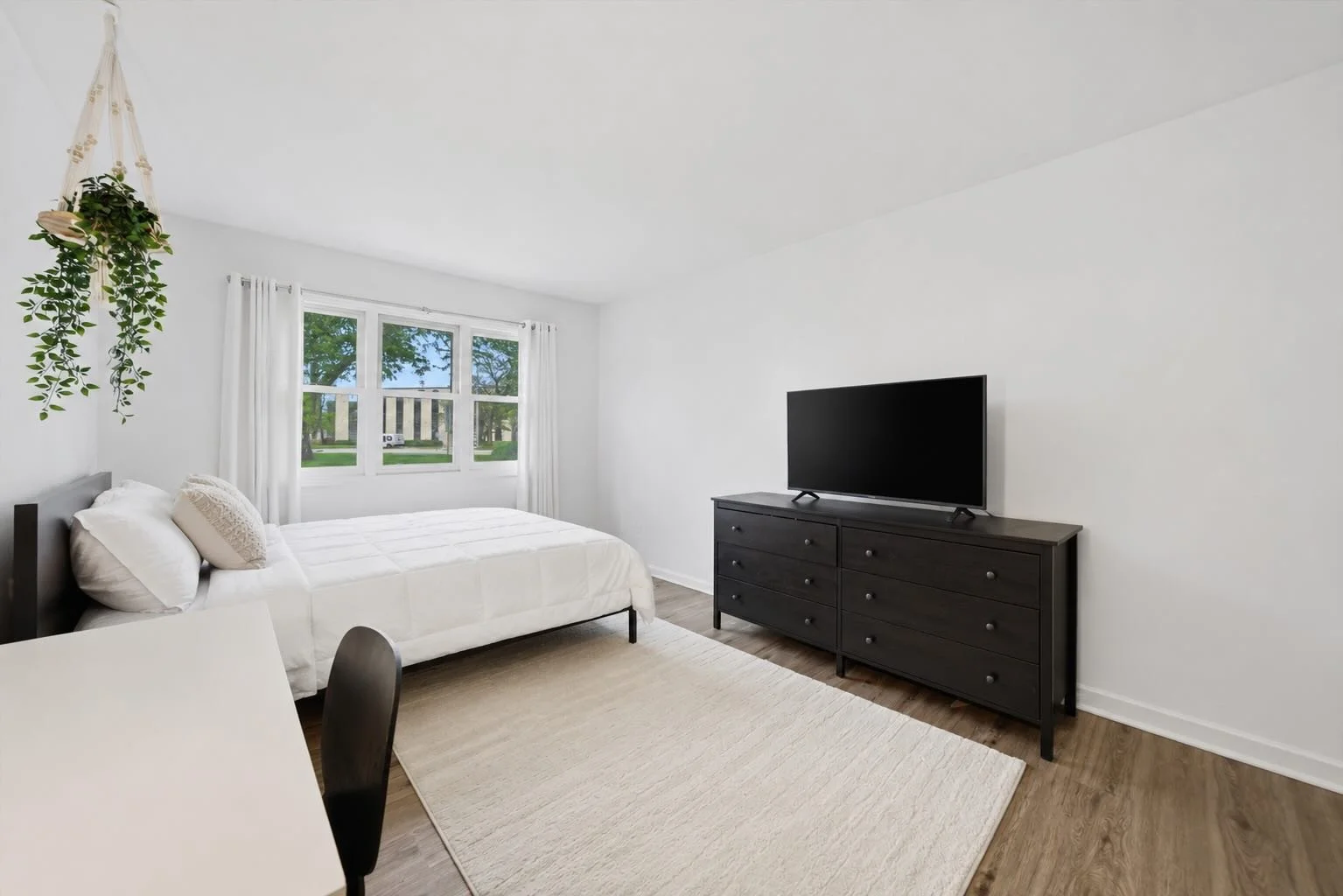
Perfectly situated in the South Loop, this residence offers convenient access to several of Chicago's nationally recognized healthcare institutions, including:
Rush University Medical Center
University of Chicago Medicine
Northwestern Memorial Hospital
The South Loop continues to attract physicians, healthcare professionals, and relocating buyers thanks to its central location, newer residential buildings, Grant Park, Museum Campus, and convenient transportation options.
More Than Great Healthcare
Chicago's nationally recognized hospitals are one more reason the city continues to attract professionals, families, researchers, and patients from around the world.
Combined with exceptional neighborhoods, diverse housing options, renowned restaurants, world-class cultural institutions, and miles of lakefront parks and trails, access to outstanding healthcare contributes to the quality of life that makes Chicago such a desirable place to call home.
Frequently Asked Questions About Chicago's Hospitals
Why is Chicago considered one of the country's leading healthcare cities?
Chicago is home to several nationally recognized hospitals, leading academic medical centers, and world-renowned rehabilitation facilities. These institutions provide advanced specialty care, conduct groundbreaking medical research, and attract physicians, researchers, and patients from around the world.
Which Chicago hospitals were named to the 2026–2027 U.S. News Honor Roll?
Northwestern Memorial Hospital and Rush University Medical Center were both recognized on the 2026–2027 Best Hospitals Honor Roll, placing them among the nation's top 20 hospitals.
What is Shirley Ryan AbilityLab known for?
Shirley Ryan AbilityLab is internationally recognized for physical medicine and rehabilitation and serves patients from around the world seeking innovative rehabilitation care.
Which Chicago neighborhoods are convenient for healthcare professionals?
Neighborhoods such as Streeterville, Lakeshore East, the South Loop, the Near West Side, and the Gold Coast offer convenient access to many of Chicago's leading hospitals while providing excellent dining, parks, transportation, and cultural amenities.
Does Busby Group help healthcare professionals relocating to Chicago?
Yes. Busby Group regularly assists physicians, nurses, researchers, executives, residents, and healthcare professionals relocating to Chicagoland. We help clients evaluate neighborhoods, commute times, schools, and lifestyle preferences while connecting them with trusted local resources to make their transition as seamless as possible.
Busby Group Perspective
Choosing a home is about more than the property itself. Access to nationally recognized healthcare, whether for your career, your family, or peace of mind, can be an important part of deciding where to live. At Busby Group, we're proud to help clients find homes that align with their lifestyle, priorities, and long-term goals while showcasing the many advantages of calling Chicago home.
Chicago Bulls Coach Finds the Perfect Chicago Home


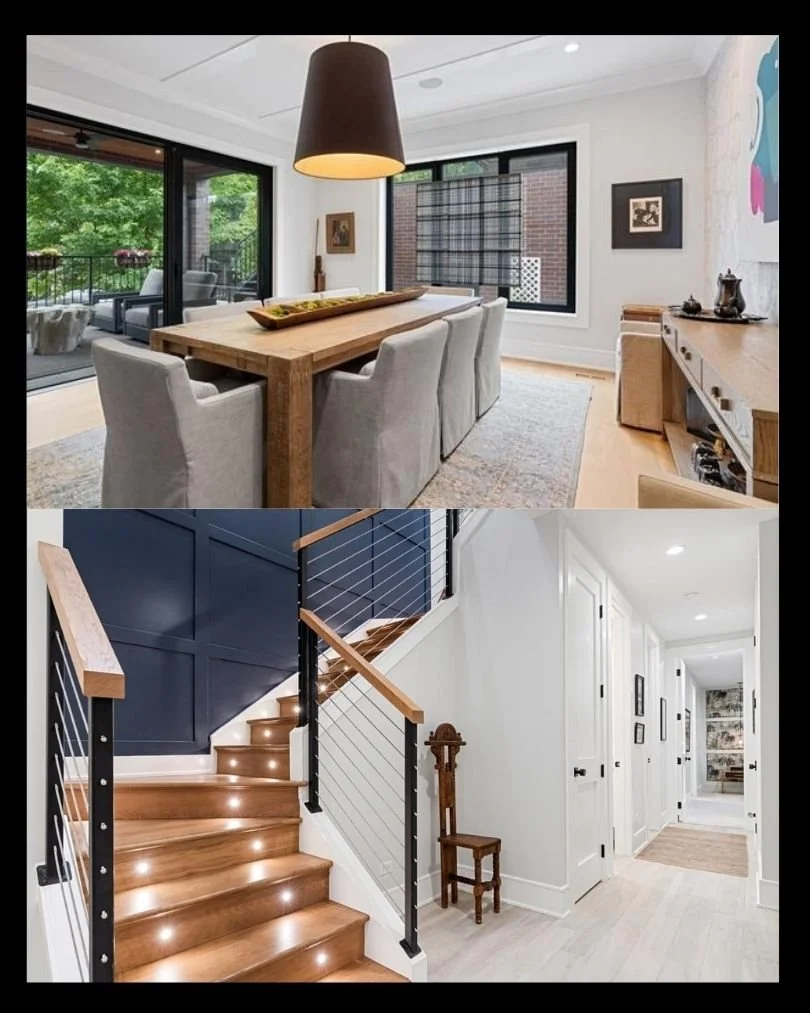

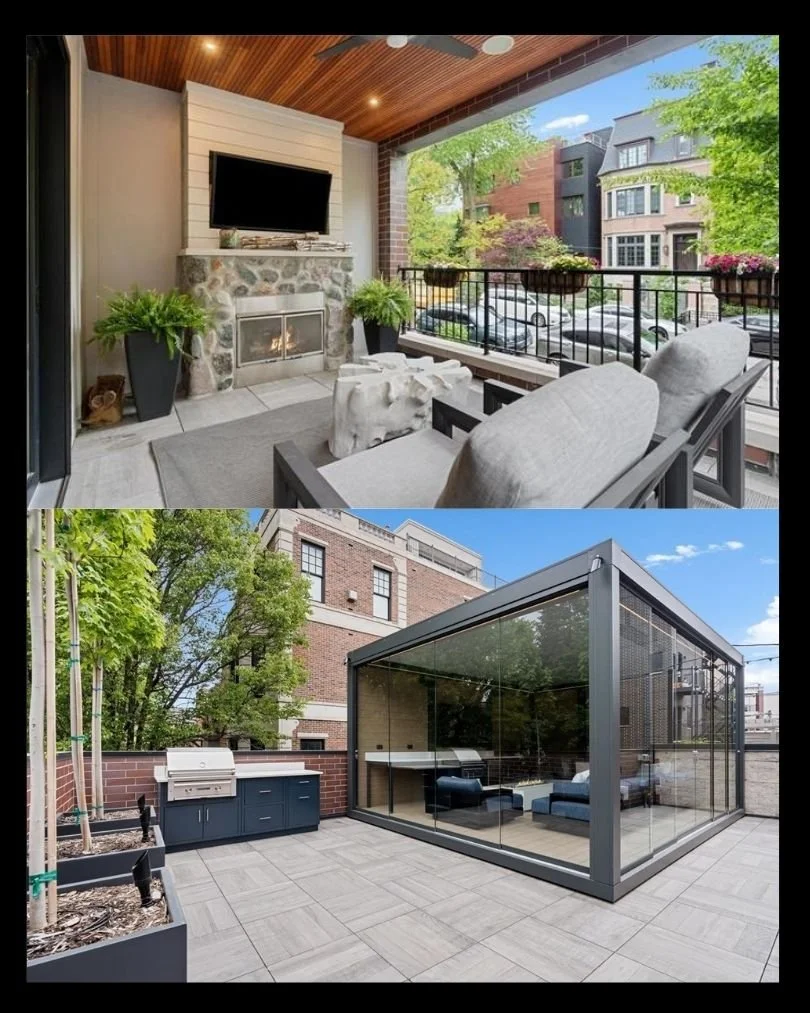
When a former Chicago Bulls head coach decided to purchase an in-town residence, convenience, privacy, and efficiency were top priorities.
Because the purchase was completed remotely, every detail needed to be handled seamlessly on the client's behalf. We carefully evaluated homes that met the family's goals, focusing on a turnkey property with the ideal size, location, and high-quality finishes so they could immediately enjoy their time in Chicago without taking on additional projects.
Throughout the process, we negotiated strategically to protect our client's interests while maintaining complete discretion. From virtual tours and detailed property evaluations to contract negotiations and closing coordination, we served as their trusted local advisor every step of the way.
The result was a smooth, stress-free purchase that allowed the family to enjoy a beautifully appointed Chicago residence whenever they return to the city.
Barb represented us as buyers for an in-town property in Chicago. It was a lengthy negotiation, and Barb and her team did a great job keeping the deal together. We would definitely recommend Busby Group to anyone looking for knowledgeable, hands-on brokers. Busby Group handled everything very professionally as well!
Why this worked well
Fully remote home search and purchase
Turnkey residence requiring no renovations
Prime Chicago location for easy in-town living
Strategic negotiation to protect our client's interests
Discreet, seamless experience from search through closing
Learn more about our sport relocation expertise.
Thinking About a 2nd Home or Moving to Traverse City?
If you've ever wondered what it's like to live in Traverse City, Michigan, or why so many buyers are choosing it for a primary residence or second home, our latest Coast to Coast episode is for you.
In this conversation, Busby Group founder Julie Busby sits down with broker Lydia Wiley, who began her real estate career in Chicago before returning to her hometown of Traverse City. Together, they discuss how the market has evolved, why buyers continue to be drawn to Northern Michigan, and what makes the area one of the Midwest's most desirable places to live.
Why Traverse City Continues to Attract Buyers
Traverse City has long been known for its waterfront beauty, but today's buyers are discovering much more than just a vacation destination.
During the interview, Lydia explains how the area has experienced steady growth as more people choose Traverse City for year-round living. While retirees remain an important part of the market, younger families, remote professionals, and entrepreneurs are increasingly relocating to the area for its lifestyle, schools, and sense of community.
Lakefront Living Without Coastal Prices
One of the biggest draws is the area's spectacular waterfront.
Traverse City offers everything from luxury lakefront estates to charming cottages and in-town neighborhoods, all surrounded by the natural beauty of Lake Michigan and the region's inland lakes.
Lydia also shares why many luxury buyers are discovering they can purchase exceptional waterfront properties for significantly less than comparable homes in destinations like the Hamptons or Lake Tahoe.
A Thriving Lifestyle Beyond the Water
While the lakes certainly attract attention, Traverse City's appeal extends far beyond boating and beaches.
The community has become known for:
Award-winning restaurants and a growing culinary scene
Local wineries and breweries
Vibrant downtown shopping and small businesses
Outdoor recreation throughout all four seasons
Excellent schools
A welcoming, community-focused atmosphere
It's a destination that balances small-town charm with amenities often found in much larger cities.
Understanding the Market
Julie and Lydia also discuss:
Current real estate trends
The seasonality of buying and selling in Northern Michigan
The second-home and vacation property market
What Chicago buyers should know before relocating
Home values and long-term market outlook
Whether you're considering a permanent move, investing in a waterfront property, or simply curious about one of the Midwest's fastest-growing lifestyle destinations, Lydia offers valuable local insight.
Watch More Coast to Coast Interviews
Our Coast to Coast series connects you with trusted real estate professionals across North America, offering local perspectives on housing markets, neighborhoods, schools, lifestyle, and relocation trends.
Whether you're moving across the country or simply exploring new markets, these conversations are designed to help you make informed decisions with guidance from local experts.
Frequently Asked Questions About Living in Traverse City, Michigan
Is Traverse City a good place to live?
Traverse City is known for its lakefront lifestyle, strong sense of community, highly regarded schools, vibrant downtown, outdoor recreation, and growing restaurant and winery scene. It attracts retirees, families, and remote professionals alike.
Is Traverse City a good place to buy a second home?
Yes. Traverse City remains one of the Midwest's most popular second-home markets thanks to its waterfront properties, four-season recreation, and relatively strong value compared to many coastal luxury markets.
How does Traverse City's real estate market compare to Chicago?
While the two markets are very different, Traverse City offers buyers access to lakefront living, luxury homes, and a slower-paced lifestyle at price points that can be attractive compared to many luxury markets.
Are lakefront homes in Traverse City in high demand?
Yes. Waterfront homes on Lake Michigan and the region's inland lakes continue to be among the most sought-after properties for both primary residences and vacation homes.
Why are more families moving to Traverse City?
Many buyers are drawn by the area's schools, outdoor lifestyle, growing economy, vibrant downtown, and strong community feel, making it appealing for families looking for a different pace of life.
Can Busby Group help with out-of-state relocations?
Yes. Through our Coast to Coast network of trusted broker partners, Busby Group helps connect buyers and sellers with experienced local agents across the country while serving as a trusted resource throughout the relocation process.
Chicago ADU Insights: Advice from an Architect and General Contractor
Quick Answer
Thinking about building an ADU, coach house, home addition, or new home in Chicago? Working with an experienced architect and general contractor can help you navigate design, budgeting, permitting, and construction while avoiding costly mistakes. In this article, licensed architect and general contractor Phil Casagrande shares practical advice on Chicago's ADU ordinance, choosing the right contractor, and planning a successful project.
When homeowners begin considering a renovation, addition, new construction project, or coach house ADU, one of the most important decisions they will make is choosing the right professional team.
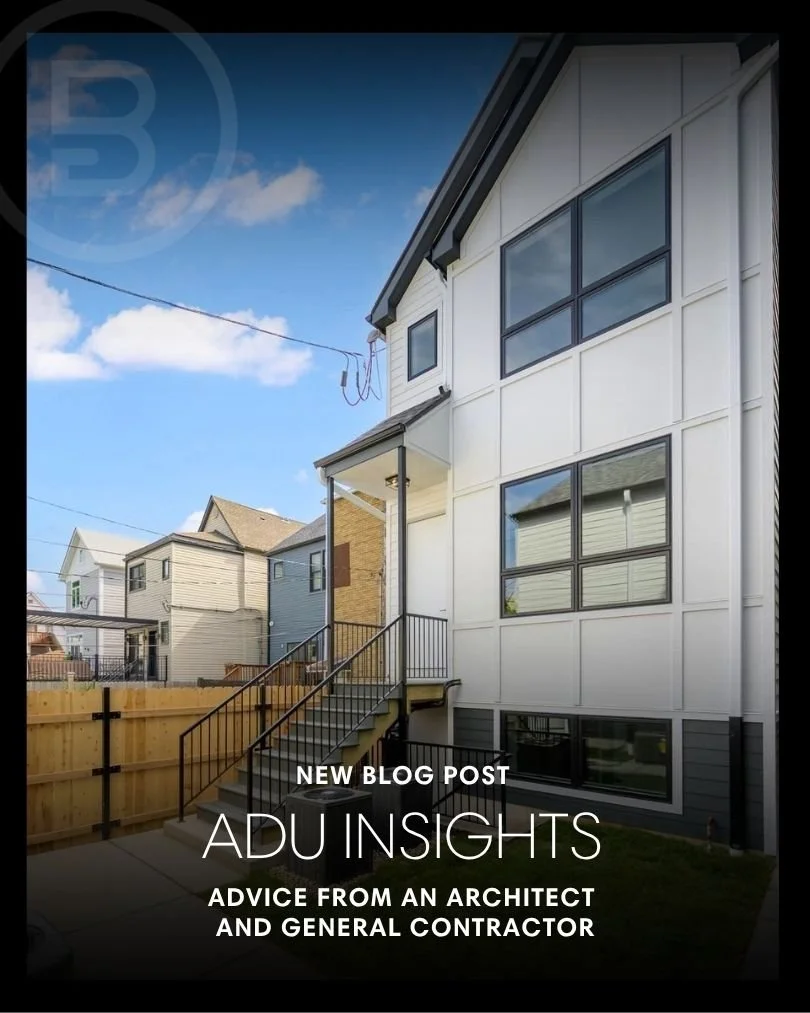
That’s why we’re excited to highlight Phil Casagrande, a trusted architect and general contractor whom we’ve had the pleasure of working with on several projects, including a recent new construction home with an accessory dwelling unit (ADU) in Logan Square.
What makes Phil particularly unique is that he is both a licensed architect and a licensed general contractor, a combination that gives him a distinct perspective on the building process from concept through completion.
A Career Built on Design and Construction
Phil has been in the construction industry since 1986.
Early in his career, he worked for a design-build firm and quickly developed an appreciation for seeing every stage of a project come together. That experience shaped the way he approaches his work today.
According to Phil, architects can sometimes face challenges when they are removed from the realities of construction, while contractors may not always have the design background needed to fully understand the intent behind plans. Having experience in both disciplines allows him to bridge that gap.
Over nearly four decades in the industry, he has developed expertise not only in design and construction, but also in coordinating trades, troubleshooting challenges, managing budgets, and navigating complex building requirements.
Just as importantly, Phil genuinely enjoys the building process. He appreciates the opportunity to work alongside many different trades and specialists while solving challenges as they arise. He believes his experience as a contractor has made him a better architect, while his architectural background has made him a more effective builder.
Why Having Both Licenses Matters
One of the advantages of working with someone who is both an architect and general contractor is the ability to create plans that are not only well-designed, but also practical and cost-effective to build.
Because Phil understands construction pricing and field conditions, he can often identify potential challenges before they become costly issues.
This dual perspective allows him to:
Create plans that are easier for contractors and trades to execute
Develop realistic budgets earlier in the process
Reduce costly redesigns during construction
Improve communication between design and construction teams
Identify practical solutions that balance aesthetics, functionality, and cost
For homeowners, this can lead to a smoother building experience and fewer surprises along the way.
Understanding Chicago’s ADU Ordinance
As Chicago homeowners look for creative ways to add living space, accommodate family members, or generate rental income, accessory dwelling units (ADUs), including coach houses, have become an increasingly popular option. However, many property owners are surprised to learn that Chicago’s ADU regulations are more complex than they initially appear.
Chicago now allows ADUs citywide, opening opportunities for homeowners to add coach houses and other accessory dwelling units on qualifying properties. While many people focus on the benefits, there are important regulations that should be understood before beginning a project.
One provision that deserves careful attention is a requirement related to contractor participation in a federally approved apprenticeship program.
According to Phil, this requirement can create challenges because participation in these programs can be difficult to obtain. Homeowners considering a coach house ADU should carefully evaluate whether their contractor understands all applicable requirements before beginning construction.
While some homeowners may be tempted to move forward without verifying compliance, the potential implications of non-compliance are not always clear. That’s why working with experienced professionals who stay current on Chicago building codes and regulations is so important.
As regulations continue to evolve, having a knowledgeable architect and contractor can help homeowners avoid costly mistakes, permitting issues, and project delays.
Advice for Homeowners Considering a Renovation or New Build
When asked what advice he would give homeowners embarking on a construction project, Phil’s answer was simple:
“Trust your gut and make sure you trust your contractor.”
Construction projects often involve months of close collaboration, hundreds of decisions, and unexpected challenges along the way. A strong relationship built on trust can make a significant difference in the overall experience.
Phil also cautions homeowners against focusing solely on the lowest bid.
Construction proposals can vary dramatically in scope, allowances, subcontractor quality, materials, and hidden costs. What appears to be the least expensive option upfront may ultimately become the most expensive if change orders, delays, or quality issues arise.
Rather than simply choosing the lowest number, Phil encourages homeowners to evaluate:
Experience and qualifications
Communication style
References and past projects
Quality of subcontractors
Transparency of pricing
Confidence and trust in the relationship
As he notes, comparing construction bids is rarely an apples-to-apples exercise. Understanding exactly what is included, who will be performing the work, and how challenges will be handled can be just as important as the price itself.
The Value of Experienced Guidance
Whether you’re considering a home addition, major renovation, new construction project, or coach house ADU, having experienced professionals on your team can help you make informed decisions and avoid costly mistakes.
Professionals like Phil, who understand both architecture and construction, bring valuable insight that can help homeowners navigate design, budgeting, permitting, and building with greater confidence.
At Busby Group, we’re fortunate to work alongside trusted professionals who share our commitment to helping clients make informed decisions. If you’re considering a renovation, new construction project, or exploring whether a coach house ADU could add value to your property, we’d be happy to connect you with experienced experts who can help guide the process.
Frequently Asked Questions About Chicago ADUs, Coach Houses, and Home Construction
The following questions are some of the most common topics homeowners ask when considering an ADU, coach house, home addition, renovation, or new construction project in Chicago.
Can I build a coach house in Chicago?
Many Chicago properties may qualify for a coach house ADU, but eligibility depends on factors such as zoning, lot size, existing structures, and compliance with current city regulations. Before beginning a project, homeowners should consult with an experienced architect and contractor who understand Chicago’s requirements.
What is an ADU?
An accessory dwelling unit (ADU) is a secondary residential unit located on the same property as a primary residence. In Chicago, ADUs may include coach houses, basement apartments, attic units, or other qualifying living spaces that meet city requirements.
What is the difference between a coach house and an ADU?
A coach house is a specific type of ADU. While all coach houses are ADUs, not all ADUs are coach houses. A coach house is typically a separate residential structure located behind the primary home, often above or adjacent to a garage.
Why should I hire an architect who is also a general contractor?
A professional who understands both architecture and construction can often create plans that are not only visually appealing but also practical and cost-effective to build. This can help reduce surprises during construction, improve communication among trades, and create a smoother overall experience.
How much does it cost to build an ADU in Chicago?
The cost of building an ADU can vary significantly based on location, size, site conditions, utility connections, finishes, and permitting requirements. An experienced architect and contractor can help establish realistic budgets during the planning phase.
What should I look for when hiring a contractor?
Homeowners should consider experience, communication style, references, licensing, transparency of pricing, quality of subcontractors, and overall trust. While price is certainly important, choosing the lowest bid is not always the best long-term decision.
Why can construction bids vary so much?
Construction proposals often include different scopes of work, allowances, materials, subcontractors, timelines, and contingencies. Two bids may appear similar on the surface while including very different levels of quality and service. It’s important to understand exactly what is included before making a decision.
How long does it take to build a coach house or ADU in Chicago?
Project timelines vary based on design complexity, permitting, contractor availability, and site conditions. The planning and permitting stages can take several months, making it important to begin discussions with your architect and contractor early in the process.
Do Chicago ADU contractors need to participate in an apprenticeship program?
Chicago’s ADU regulations include requirements that may affect contractor eligibility, including provisions related to participation in federally approved apprenticeship programs. While many homeowners are unaware of this requirement, it can have important implications when selecting a contractor for an ADU or coach house project.
Because regulations, interpretations, and enforcement practices can evolve over time, homeowners should work with experienced architects and contractors who stay current on Chicago’s building codes, permitting requirements, and ADU regulations. Before beginning a project, it’s important to discuss compliance requirements with your project team to help avoid potential delays or complications.
Is building an ADU a good investment?
For many homeowners, an ADU can provide additional living space, multigenerational housing options, guest accommodations, or potential rental income. The right strategy depends on your property, goals, budget, and long-term plans.
How can an ADU impact my home’s value?
An ADU may increase a property’s appeal by adding usable living space and flexibility for future owners. The impact on value depends on factors such as location, design, construction quality, functionality, and market demand. Homeowners should consider both personal use and potential resale value when evaluating an ADU project.
How can Busby Group help if I’m considering an ADU or major renovation?
Busby Group works closely with trusted architects, contractors, lenders, attorneys, and other professionals throughout Chicagoland. We can help connect homeowners with experienced experts, evaluate how improvements may impact future resale value, and provide guidance before, during, and after a project.