
Chicago ADU Insights: Advice from an Architect and General Contractor
Quick Answer
Thinking about building an ADU, coach house, home addition, or new home in Chicago? Working with an experienced architect and general contractor can help you navigate design, budgeting, permitting, and construction while avoiding costly mistakes. In this article, licensed architect and general contractor Phil Casagrande shares practical advice on Chicago's ADU ordinance, choosing the right contractor, and planning a successful project.
When homeowners begin considering a renovation, addition, new construction project, or coach house ADU, one of the most important decisions they will make is choosing the right professional team.
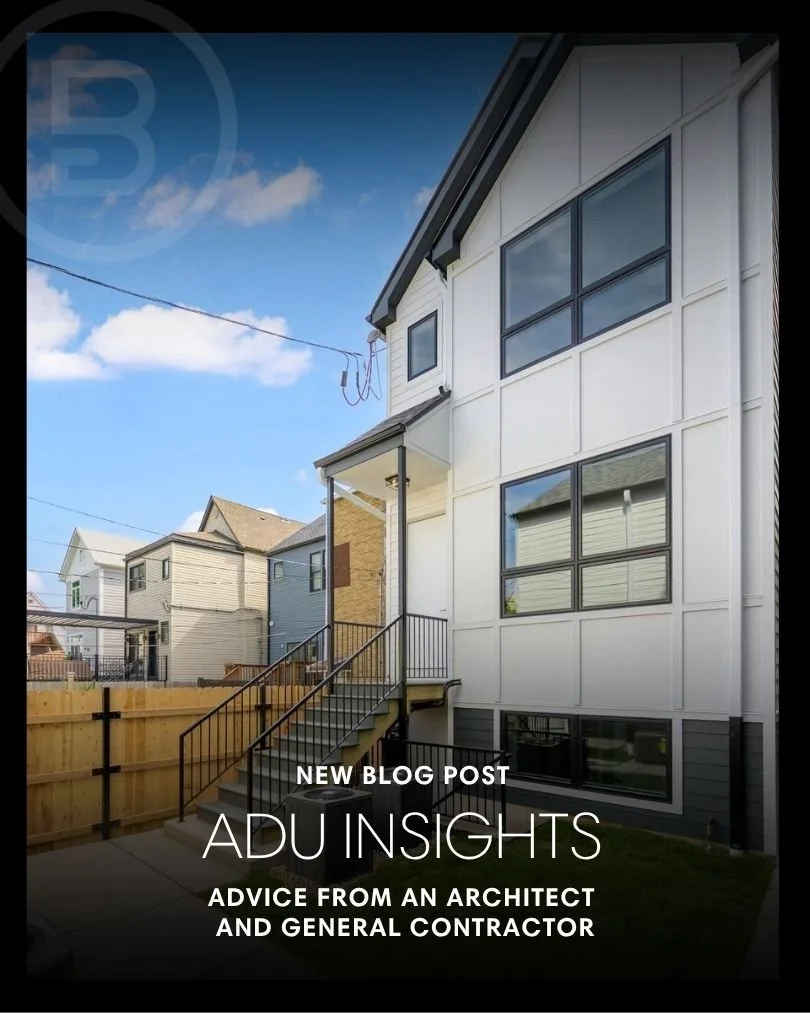
That’s why we’re excited to highlight Phil Casagrande, a trusted architect and general contractor whom we’ve had the pleasure of working with on several projects, including a recent new construction home with an accessory dwelling unit (ADU) in Logan Square.
What makes Phil particularly unique is that he is both a licensed architect and a licensed general contractor, a combination that gives him a distinct perspective on the building process from concept through completion.
A Career Built on Design and Construction
Phil has been in the construction industry since 1986.
Early in his career, he worked for a design-build firm and quickly developed an appreciation for seeing every stage of a project come together. That experience shaped the way he approaches his work today.
According to Phil, architects can sometimes face challenges when they are removed from the realities of construction, while contractors may not always have the design background needed to fully understand the intent behind plans. Having experience in both disciplines allows him to bridge that gap.
Over nearly four decades in the industry, he has developed expertise not only in design and construction, but also in coordinating trades, troubleshooting challenges, managing budgets, and navigating complex building requirements.
Just as importantly, Phil genuinely enjoys the building process. He appreciates the opportunity to work alongside many different trades and specialists while solving challenges as they arise. He believes his experience as a contractor has made him a better architect, while his architectural background has made him a more effective builder.
Why Having Both Licenses Matters
One of the advantages of working with someone who is both an architect and general contractor is the ability to create plans that are not only well-designed, but also practical and cost-effective to build.
Because Phil understands construction pricing and field conditions, he can often identify potential challenges before they become costly issues.
This dual perspective allows him to:
Create plans that are easier for contractors and trades to execute
Develop realistic budgets earlier in the process
Reduce costly redesigns during construction
Improve communication between design and construction teams
Identify practical solutions that balance aesthetics, functionality, and cost
For homeowners, this can lead to a smoother building experience and fewer surprises along the way.
Understanding Chicago’s ADU Ordinance
As Chicago homeowners look for creative ways to add living space, accommodate family members, or generate rental income, accessory dwelling units (ADUs), including coach houses, have become an increasingly popular option. However, many property owners are surprised to learn that Chicago’s ADU regulations are more complex than they initially appear.
Chicago now allows ADUs citywide, opening opportunities for homeowners to add coach houses and other accessory dwelling units on qualifying properties. While many people focus on the benefits, there are important regulations that should be understood before beginning a project.
One provision that deserves careful attention is a requirement related to contractor participation in a federally approved apprenticeship program.
According to Phil, this requirement can create challenges because participation in these programs can be difficult to obtain. Homeowners considering a coach house ADU should carefully evaluate whether their contractor understands all applicable requirements before beginning construction.
While some homeowners may be tempted to move forward without verifying compliance, the potential implications of non-compliance are not always clear. That’s why working with experienced professionals who stay current on Chicago building codes and regulations is so important.
As regulations continue to evolve, having a knowledgeable architect and contractor can help homeowners avoid costly mistakes, permitting issues, and project delays.
Advice for Homeowners Considering a Renovation or New Build
When asked what advice he would give homeowners embarking on a construction project, Phil’s answer was simple:
“Trust your gut and make sure you trust your contractor.”
Construction projects often involve months of close collaboration, hundreds of decisions, and unexpected challenges along the way. A strong relationship built on trust can make a significant difference in the overall experience.
Phil also cautions homeowners against focusing solely on the lowest bid.
Construction proposals can vary dramatically in scope, allowances, subcontractor quality, materials, and hidden costs. What appears to be the least expensive option upfront may ultimately become the most expensive if change orders, delays, or quality issues arise.
Rather than simply choosing the lowest number, Phil encourages homeowners to evaluate:
Experience and qualifications
Communication style
References and past projects
Quality of subcontractors
Transparency of pricing
Confidence and trust in the relationship
As he notes, comparing construction bids is rarely an apples-to-apples exercise. Understanding exactly what is included, who will be performing the work, and how challenges will be handled can be just as important as the price itself.
The Value of Experienced Guidance
Whether you’re considering a home addition, major renovation, new construction project, or coach house ADU, having experienced professionals on your team can help you make informed decisions and avoid costly mistakes.
Professionals like Phil, who understand both architecture and construction, bring valuable insight that can help homeowners navigate design, budgeting, permitting, and building with greater confidence.
At Busby Group, we’re fortunate to work alongside trusted professionals who share our commitment to helping clients make informed decisions. If you’re considering a renovation, new construction project, or exploring whether a coach house ADU could add value to your property, we’d be happy to connect you with experienced experts who can help guide the process.
Frequently Asked Questions About Chicago ADUs, Coach Houses, and Home Construction
The following questions are some of the most common topics homeowners ask when considering an ADU, coach house, home addition, renovation, or new construction project in Chicago.
Can I build a coach house in Chicago?
Many Chicago properties may qualify for a coach house ADU, but eligibility depends on factors such as zoning, lot size, existing structures, and compliance with current city regulations. Before beginning a project, homeowners should consult with an experienced architect and contractor who understand Chicago’s requirements.
What is an ADU?
An accessory dwelling unit (ADU) is a secondary residential unit located on the same property as a primary residence. In Chicago, ADUs may include coach houses, basement apartments, attic units, or other qualifying living spaces that meet city requirements.
What is the difference between a coach house and an ADU?
A coach house is a specific type of ADU. While all coach houses are ADUs, not all ADUs are coach houses. A coach house is typically a separate residential structure located behind the primary home, often above or adjacent to a garage.
Why should I hire an architect who is also a general contractor?
A professional who understands both architecture and construction can often create plans that are not only visually appealing but also practical and cost-effective to build. This can help reduce surprises during construction, improve communication among trades, and create a smoother overall experience.
How much does it cost to build an ADU in Chicago?
The cost of building an ADU can vary significantly based on location, size, site conditions, utility connections, finishes, and permitting requirements. An experienced architect and contractor can help establish realistic budgets during the planning phase.
What should I look for when hiring a contractor?
Homeowners should consider experience, communication style, references, licensing, transparency of pricing, quality of subcontractors, and overall trust. While price is certainly important, choosing the lowest bid is not always the best long-term decision.
Why can construction bids vary so much?
Construction proposals often include different scopes of work, allowances, materials, subcontractors, timelines, and contingencies. Two bids may appear similar on the surface while including very different levels of quality and service. It’s important to understand exactly what is included before making a decision.
How long does it take to build a coach house or ADU in Chicago?
Project timelines vary based on design complexity, permitting, contractor availability, and site conditions. The planning and permitting stages can take several months, making it important to begin discussions with your architect and contractor early in the process.
Do Chicago ADU contractors need to participate in an apprenticeship program?
Chicago’s ADU regulations include requirements that may affect contractor eligibility, including provisions related to participation in federally approved apprenticeship programs. While many homeowners are unaware of this requirement, it can have important implications when selecting a contractor for an ADU or coach house project.
Because regulations, interpretations, and enforcement practices can evolve over time, homeowners should work with experienced architects and contractors who stay current on Chicago’s building codes, permitting requirements, and ADU regulations. Before beginning a project, it’s important to discuss compliance requirements with your project team to help avoid potential delays or complications.
Is building an ADU a good investment?
For many homeowners, an ADU can provide additional living space, multigenerational housing options, guest accommodations, or potential rental income. The right strategy depends on your property, goals, budget, and long-term plans.
How can an ADU impact my home’s value?
An ADU may increase a property’s appeal by adding usable living space and flexibility for future owners. The impact on value depends on factors such as location, design, construction quality, functionality, and market demand. Homeowners should consider both personal use and potential resale value when evaluating an ADU project.
How can Busby Group help if I’m considering an ADU or major renovation?
Busby Group works closely with trusted architects, contractors, lenders, attorneys, and other professionals throughout Chicagoland. We can help connect homeowners with experienced experts, evaluate how improvements may impact future resale value, and provide guidance before, during, and after a project.